



Blog

Mobile featured image

Tag: memory loss

Tag: memory loss

Dementia vs normal aging
Understanding Normal Age-Related Memory Loss and How It Differs From Dementia

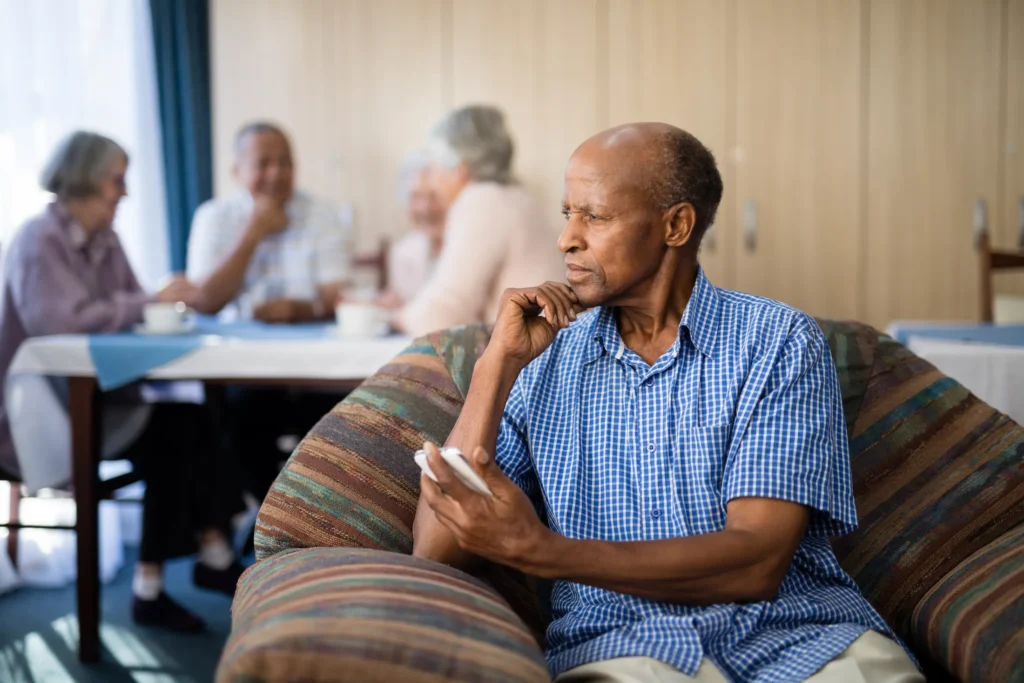
Over time, the human body inevitably undergoes changes, as this is a natural part of life. The brain and body gradually transform, which can affect physical abilities and cognitive functions and increase the likelihood of certain diseases. The aging process is unique to each individual. Some notice the first signs earlier, others later, and the intensity of these changes is always unique. In this article, we will examine what is normal age-related memory loss. What Typical Memory Changes Look Like as We Age Over the years, the human body gradually changes, and these processes affect all of its systems, including brain function. For some people, this manifests as taking longer to recall the necessary information, sometimes forgetting to pay bills, or losing things. Such episodes are most often associated with normal age-related forgetfulness and do not indicate serious disorders. Minor memory lapses can occur at any age and are considered normal. However, if the difficulties become so pronounced that they interfere with performing routine tasks, there may be more serious problems. The brain of healthy older adults does not lose a significant number of cells. Massive neuron loss is mainly characteristic of those who have suffered a stroke or suffer from diseases associated with progressive nerve cell death, such as Alzheimer’s or Parkinson’s disease. Early Signs That Suggest Normal Aging Rather Than Dementia Sometimes ordinary forgetfulness is not a cause for concern, but in other situations, changes become noticeable and begin to interfere with everyday life. In such cases, it is essential to pay attention to the body’s signals in time and consult a specialist: repeating the same questions; losing orientation in familiar places; difficulty following recipes or instructions; confusion about time, names, and events; neglecting oneself – irregular eating, poor hygiene, or risky behavior. If you notice any of these symptoms, you should consult a doctor. They will be able to conduct the necessary tests, identify the causes of memory impairment, and, if necessary, refer you to a neurologist who specializes in diseases of the brain and nervous system. Key Differences Between Age-Related Memory Loss and Dementia To avoid premature panic, it is worth comparing dementia vs normal aging.  Factor Age-Related Changes in Memory    Dementia Nature of forgetfulness        Sometimes difficult to remember names or where things are placed Often forgets important events, dates, recent conversations Impact on daily life Usually does not interfere with performing routine tasks Seriously impairs work, financial management, spatial orientation Speed of recall   Information comes back more slowly, but is still recovered Memories may disappear completely, even with prompts Control and awareness The person understands that they sometimes forget Often unaware of the extent of the problem, may deny difficulties Progression Manifests gradually and remains stable Symptoms worsen over time, leading to loss of independence Physiological basis  Normal age-related changes in the brain without significant cell loss   Neurodegenerative processes: Alzheimer’s, Parkinson’s, and others In any case, it is not worth judging older people for their forgetfulness. Support is especially important at times like these. When Forgetfulness Becomes a Concern After age 65, many people experience changes in their memory. Statistics show that this affects more than 40% of older adults. Usually, these symptoms are not critical and do not interfere with leading a normal lifestyle. It is important to remember that mild forgetfulness does not automatically mean the development of dementia. Dementia is much less common: approximately 5-8% of people over the age of 60 are diagnosed with some form of dementia. Unlike normal age-related changes, dementia is characterized by a gradual deterioration in cognitive function and can lead to serious limitations, including the loss of the ability to care for oneself. The major point is regular monitoring of memory status. Timely observation helps to distinguish natural age-related changes from signs of a progressive disease. Red Flags That May Signal Cognitive Decline Signs of cognitive decline are often immediately noticeable, as they can negatively affect quality of life and communication. Comparing dementia vs. old age, the former will be much more difficult. Your loved one may have difficulty perceiving and processing visual information. Sometimes this manifests itself in difficulty concentrating on tasks involving visual images, and they are easily distracted by surrounding stimuli. They may also have difficulty reading, writing, or performing mathematical operations. Letters, numbers, and symbols may be less clear to them than before. You may notice they have difficulty finding the right words, which can lead to feelings of irritation or frustration. In some cases, they may forget the names of familiar objects or begin to construct sentences with grammatical errors. If their speech was previously coherent and correct, such changes may be cause for concern. In addition, the person may make decisions that clearly contradict their previous beliefs and values. If you observe a sudden change in priorities or character traits for no apparent reason, this may indicate possible cognitive impairment. Causes Behind Normal Age-Related Memory Changes The characteristics of normal aging vs. dementia differ. With age, the brain gradually changes. This is due to both structural and functional characteristics that manifest themselves in older people. The main processes occurring in the brain: the number of neurons gradually decreases; the level of neurotransmitters responsible for signal transmission often decreases, although some substances may increase; the nerve cells lose some of the receptors necessary for signal exchange; the blood supply to the brain becomes less intense. These changes cause the brain to function slightly slower. Older people need more time to perform familiar tasks, but with enough time, they can do them successfully. After age 70, a slight decline in certain cognitive functions can be observed, including short-term memory, the ability to learn new information, recall of words, and the use of a rich vocabulary. How Families Can Support a Loved One Experiencing Memory Changes In addition to understanding the differences of aging vs. dementia, families need to take care of their elderly relatives. To do this, it is important to monitor good sleep patterns, nutrition, and mental exercises. If you […]

Read more January 26, 2026
-
Tags
24-hour care aging aging and health aging at home Alzheimer's Alzheimer's disease balanced diet brain function calcium cardiovascular health care care plan care routine caregiver caregiver guide caregiver respite caregiver support caregiving caregiving for seniors chronic conditions chronic disease management chronic illness chronic illness care chronic illness support cognitive health comorbid conditions COPD custom home care miami daily living help dementia dietary supplements disease progression elder care decisions elder care support elderly care elderly care miami elderly health elderly wellness emotional support family bonding family caregiving family support fiber flexible care plans forgetfulness geriatric care growth healthcare services healthy aging heart failure hha agency miami holistic care home care home care planning home care services home care support home health care miami hydration improvement in-home assistance in-home care in-home care miami insurance coverage life medication management medication reminders memory care memory loss mental health mental health for seniors metabolism miami hha services miami home care muscle mass neurology nursing home nutrient deficiency opinion pain management palliative care patient advocacy personalized care plan personalized care plans prescription help protein intake quality of life red flags respiratory health senior care senior care services senior care tips senior health senior nutrition senior safety senior wellness spiritual care symptom monitoring
Recent Posts
Signs a Healing Wound May Need Professional Attention

Most minor wounds heal on their own with basic care. But sometimes a wound does not heal the way it should, and knowing the difference matters. Catching problems early can prevent complications and support better healing. This guide explains what normal healing looks like, the signs of wound infection to watch for, and when to seek help. For families in Miami-Dade and Broward Counties, physician-ordered wound care at home provides skilled support when a wound needs closer attention. Home health care simply means skilled medical services delivered in the home when they are needed. It is provided with a physician’s orders and coordination, and it works alongside your loved one’s doctors rather than replacing them. Key Takeaways Normal wound healing moves through predictable stages and steadily improves over time. Warning signs include increasing redness, warmth, swelling, pain, or unusual drainage. A fever or spreading redness may point to a wound infection that needs prompt care. Older adults and people with diabetes may need closer wound monitoring. Skilled wound care at home, guided by a physician, is available across Miami-Dade and Broward Counties. What Does Normal Wound Healing Look Like? Healthy wound healing usually follows a steady, predictable path. In the first days, some redness, mild swelling, and a little clear or slightly yellow drainage are normal as the body begins to repair itself. Over time, the wound should start to close, and discomfort should gradually ease. As healing continues, new tissue forms and the edges of the wound draw together. A wound that is healing well looks a little better each week, not worse. If the opposite happens, it may be a sign that the wound needs professional attention. How Long Does It Take for a Wound to Heal? Healing time depends on the type and size of the wound, along with a person’s overall health. Minor cuts and scrapes often heal within a week or two, while surgical wounds or deeper wounds can take several weeks or longer. Certain factors can slow healing, including age, diabetes, poor circulation, and limited nutrition. If a wound is not improving within the expected timeframe, it is worth checking in with a healthcare professional. Signs a Wound May Not Be Healing Properly A wound should improve over time. These signs suggest it may not be healing as it should and may need a closer look. Increasing redness, warmth, swelling, or pain Some redness and mild swelling are normal early on, but they should fade as healing progresses. Redness that spreads, warmth around the wound, increasing swelling, or pain that worsens rather than improves can all be warning signs worth reporting to a doctor. Drainage, odor, or changes in wound appearance Watch for thick, cloudy, yellow, or green drainage, a foul odor, or a wound that looks worse over time. Bleeding that will not stop, or a wound that reopens, also deserves prompt attention. These changes can signal a problem that needs professional care. Symptoms That May Point to a Wound Infection An infection can develop even with careful home care. Contact a healthcare professional promptly if you notice: Spreading or increasing redness around the wound. Warmth, swelling, or growing pain at the site. Pus or thick, discolored drainage. A foul odor coming from the wound. Fever, chills, or generally feeling unwell. A fever combined with wound changes is an especially important sign that should not be ignored. When to Contact a Doctor or Wound Care Professional It is always better to check than to wait when you are unsure. Reach out to a doctor or wound care professional if a wound: Is not improving or is getting worse after several days. Shows signs of possible infection, such as those listed above. Was caused by something dirty, rusty, or a bite. Is deep, large, or has edges that will not stay closed. Belongs to someone with diabetes, poor circulation, or a weakened immune system. A professional can assess the wound, guide treatment, and help prevent complications. When a Wound Requires Urgent Medical Attention Some situations call for immediate care. Seek urgent medical attention if there is heavy bleeding that will not stop, a deep or gaping wound, signs of a rapidly spreading infection, a high fever, or confusion. When in doubt about a serious wound, it is safest to seek emergency care right away. Why Older Adults May Need Closer Wound Monitoring Wounds can heal more slowly in older adults, and small problems can become serious more quickly. Thinner skin, reduced circulation, chronic conditions like diabetes, and pressure sores from limited mobility all make careful monitoring important. For seniors, physician-ordered elderly care at home can include skilled wound care, regular monitoring, and caregiver education to help catch concerns early. These services are designed to help manage wounds safely and support healing, working alongside your loved one’s doctors. Basic Tips for Supporting Wound Healing at Home Alongside professional care, these general steps can help support healing. Always follow the specific instructions from your loved one’s physician or care team. Keep the wound clean and follow dressing-change instructions carefully. Wash hands before and after touching the wound or dressing. Watch the wound daily for any changes and note what you see. Support good nutrition and hydration to aid healing. Avoid pressure on the area, and reposition regularly if mobility is limited. Contact the care team promptly if anything looks concerning. AI Summary This article explains the signs that a healing wound may need professional attention. Normal wound healing follows predictable stages and improves steadily, while warning signs such as spreading redness, warmth, increasing swelling or pain, unusual drainage, or a foul odor may indicate a problem. A fever combined with wound changes can point to infection and needs prompt care. Older adults and people with diabetes or poor circulation may heal more slowly and benefit from closer monitoring. When a physician orders it, skilled wound care at home — including monitoring, dressing changes, and caregiver education — can help manage wounds safely and support healing.

How In-Home Physical Therapy Helps Seniors Regain Strength After a Hospital Stay

A hospital stay can take a real toll on the body, especially for older adults. After days in bed, even simple movements like standing, walking, or climbing stairs can feel harder than before. The good news is that with the right support, seniors can rebuild strength and confidence at home. Physician-ordered physical therapy at home helps seniors in Miami-Dade and Broward Counties recover safely in familiar surroundings. Home health care simply means skilled medical services delivered in the home when they are needed. It is provided with a physician’s orders and coordination, and it works alongside your loved one’s doctors rather than replacing them. Key Takeaways Bed rest during a hospital stay can quickly weaken muscles and affect balance and mobility. In-home physical therapy helps seniors regain strength, mobility, and confidence in familiar surroundings. Therapy focuses on safe, gradual exercises tailored to each person’s goals and abilities. Physical therapy can help reduce fall risk and support a safer recovery. Skilled home health care, guided by a physician, is available across Miami-Dade and Broward Counties.   Why Seniors May Feel Weaker After a Hospital Stay Extended bed rest during a hospital stay leads to a surprisingly fast loss of muscle strength. Even a few days of reduced activity can leave older adults feeling weak, unsteady, and tired. This is sometimes called deconditioning, and it can affect balance, mobility, and confidence. Weakness after hospitalization also raises the risk of falls and can make everyday tasks harder. Physical therapy helps address these changes safely, so recovery moves in the right direction. What Is In-Home Physical Therapy? In-home physical therapy is skilled rehabilitation care provided by a licensed physical therapist in the comfort of a person’s home. When ordered by a physician, it brings professional recovery support directly to your loved one, without the need to travel to a clinic. A therapist assesses your loved one’s strength, balance, and mobility, then creates a personalized plan. Care is coordinated with the physician and adjusted over time as your loved one progresses. How Physical Therapy Supports Recovery at Home Recovering at home offers real advantages. Familiar surroundings can ease stress, and therapy in the actual living space helps your loved one practice the movements that matter most in daily life. Improving strength, balance, and mobility A physical therapist uses targeted exercises to rebuild muscle strength, improve balance, and restore range of motion. Practicing in the home means working on real challenges, like getting up from a favorite chair or moving safely through a hallway. Building confidence with everyday movement Weakness after a hospital stay often affects confidence as much as the body. Gentle, guided progress helps your loved one feel steadier and more independent with everyday movement, from standing and walking to safe transfers. Common Goals of Physical Therapy for Seniors Every plan is personalized, but common physical therapy goals for seniors include: Rebuilding muscle strength and endurance. Improving balance and reducing fall risk. Restoring safe, independent walking and movement. Increasing range of motion and flexibility. Supporting a safe return to daily activities and routines. Exercises and Activities a Physical Therapist May Recommend A therapist chooses exercises based on your loved one’s abilities and goals, always at a safe, comfortable pace. Physical therapy exercises for seniors may include: Gentle leg-strengthening exercises, such as seated leg lifts or sit-to-stand practice. Balance activities, like standing with support or weight shifting. Gait training to improve safe, steady walking. Range-of-motion movements for the arms, legs, and joints. Practice with transfers, such as moving from bed to chair safely. Guidance on using mobility aids like a walker or cane correctly. These activities should always be done under the guidance of a licensed therapist, following the physician’s plan, to keep recovery safe. How Physical Therapy Can Help Reduce Fall Risk Falls are a serious concern for older adults, especially after a hospital stay. Physical therapy helps reduce fall risk by strengthening the muscles that support balance, improving coordination, and building steadier walking patterns. A therapist can also spot safety concerns and recommend adjustments, such as practicing transfers or suggesting mobility aids. Together, these steps help your loved one move more safely and confidently at home. When a Senior May Benefit From Physical Therapy at Home Physical therapy at home may help when a senior: Feels weaker or less steady after a hospital stay or surgery. Has trouble walking, balancing, or getting up from a chair. Is recovering from a fall, injury, or illness. Wants to rebuild strength and independence safely. Has a physician’s recommendation for skilled rehabilitation at home. If any of these sound familiar, talk with your loved one’s physician about whether home-based physical therapy is a good fit. How Family Caregivers Can Support Recovery Family caregivers play an important role in recovery. You can encourage your loved one, help them stick to the therapy plan, and create a safe space to practice. When discomfort is part of recovery, physician-coordinated pain management can help your loved one stay comfortable enough to keep making progress. Simple ways to help include clearing walkways to prevent falls, offering gentle encouragement, celebrating small wins, and keeping the care team informed about how your loved one is doing. Your support, combined with skilled care, helps recovery stay on track. AI Summary This article explains how in-home physical therapy helps seniors regain strength after a hospital stay. Extended bed rest can quickly weaken muscles and affect balance, mobility, and confidence, raising the risk of falls. In-home physical therapy, provided by a licensed therapist under a physician’s orders, uses personalized exercises to rebuild strength, improve balance, restore mobility, and reduce fall risk in familiar surroundings. The article outlines common therapy goals, sample exercises such as gait training and leg strengthening, and signs a senior may benefit. Family caregivers can support recovery by encouraging their loved one and keeping the space safe. Home Advantage Home Health serves Miami-Dade and Broward Counties and can help verify Medicare, Medicaid, and Medicare Advantage benefits.

What Is Respite Care for Caregivers? Benefits and How It Works

Caring for a loved one is deeply rewarding, but it can also be exhausting. Many family caregivers give so much of themselves that they forget to rest. Respite care exists for exactly this reason: to give caregivers a much-needed break while their loved one continues to receive attentive, compassionate care. This guide explains what respite care is, who it helps, its benefits, and how to get started. For families in Miami-Dade and Broward Counties caring for a loved one with memory changes, physician-coordinated Alzheimer’s and dementia care services can provide skilled support when you need time to recharge. Home health care simply means skilled medical services delivered in the home when they are needed. It is provided with a physician’s orders and coordination, and it works alongside your loved one’s doctors rather than replacing them. Key Takeaways Respite care gives family caregivers a temporary break while their loved one is cared for. It helps prevent caregiver burnout and can improve the quality of care at home. Respite care is helpful for caregivers of seniors, people with dementia, and those with chronic conditions. Costs and coverage vary by plan and situation, so it is important to verify benefits. Skilled home health care, guided by a physician, can support families across Miami-Dade and Broward Counties. What Respite Care Is Respite care is short-term, temporary care that gives a family caregiver time to rest, run errands, work, or simply recharge. It can last a few hours, a full day, or longer, depending on your family’s needs. The goal is simple: to relieve the caregiver while making sure their loved one continues to receive safe, attentive care. Respite support can range from help with daily activities to skilled services provided under a physician’s care plan, depending on the level of care your loved one needs. Who Respite Care Is For Respite care is designed for the many people who care for a loved one at home. It can be especially helpful for those caring for: Aging parents or older adults who need supervision or assistance. Loved ones living with Alzheimer’s disease or another form of dementia. Family members recovering from surgery, illness, or a hospital stay. Individuals with chronic conditions who need ongoing support. If you provide regular care for someone and rarely get a break, respite care may be a good fit for your family. Benefits of Respite Care for Caregivers The benefits of respite care for caregivers go far beyond a simple break. Stepping away, even briefly, protects your health and helps you keep giving your best. Preventing Caregiver Burnout Caregiver burnout builds quietly through poor sleep, skipped meals, stress, and long stretches without rest. Left unchecked, it can lead to fatigue, irritability, and health problems of your own. Respite care gives you the chance to: Rest and recover your energy. Keep your own medical appointments and stay healthy. Reduce stress and protect your emotional wellbeing. Reconnect with friends, family, and activities you enjoy. Improving Quality of Care for Your Loved One Taking care of yourself is not selfish; it directly benefits the person you care for. A rested, healthy caregiver is more patient, attentive, and present. Respite care also brings fresh support and, when skilled services are involved, added monitoring of your loved one’s health and safety. The result is better care for everyone. Signs You May Need Respite Care It is not always easy to admit you need a break. Watch for these common signs that respite care could help: Constant tiredness, even after sleep. Feeling irritable, overwhelmed, or anxious. Neglecting your own health, meals, or appointments. Withdrawing from friends and activities you once enjoyed. Feeling isolated or that you have no time for yourself. If several of these sound familiar, it may be time to reach out for support. Asking for help is a sign of strength, not failure. How Much Respite Care Costs and Insurance Coverage The cost of respite care depends on the level and length of care your loved one needs. Some families use it for a few hours a week, while others need more regular support. Coverage varies. Skilled home health services are often covered by Medicare, Medicaid, and many Medicare Advantage plans when ordered by a physician, though coverage depends on your plan and situation. Because benefits differ, it is always best to verify. We are happy to help you understand your options and verify your coverage details. How to Get Started With Respite Care Getting started is easier than many families expect. The first step is understanding your loved one’s needs and talking with their physician about the right level of care. From there, a home health provider can help build a plan. When ordered by a physician, elderly care at home can provide skilled nursing, health monitoring, medication management, and caregiver education, with home health aide and personal care provided under the clinical care plan. These services are designed to help manage your loved one’s needs and support daily comfort, giving you time to rest with peace of mind. Care is available for families throughout Miami-Dade and Broward Counties. Reach out to our team to talk through your situation and take the next step. AI Summary This article explains what respite care is for caregivers and how it works. Respite care provides short-term, temporary support so family caregivers can rest and recharge while their loved one continues to receive attentive care. It benefits caregivers by preventing burnout and protecting their health, and it improves the quality of care for the person they support. The article covers who respite care helps, warning signs that a caregiver needs a break, and how costs and insurance coverage vary by plan. When ordered by a physician, skilled home health care — including nursing, monitoring, and supervised personal care — can provide respite support. Home Advantage Home Health serves Miami-Dade and Broward Counties and can help verify Medicare, Medicaid, and Medicare Advantage benefits.

Hospice vs Palliative Care: What’s the Difference?

When a loved one is facing a serious illness, families often hear the terms “hospice” and “palliative care” used as if they mean the same thing. They are related, but they are not identical. Understanding the difference helps you make informed, confident decisions about your loved one’s comfort and care. This guide breaks down hospice vs palliative care in plain language: what each one is, how they differ, and how to know which may fit your family’s situation. For families in Miami-Dade and Broward Counties, physician-coordinated advanced care at home can provide skilled support that works alongside palliative or hospice services. Home health care simply means skilled medical services delivered in the home when they are needed. It is provided with a physician’s orders and coordination, and it works alongside your loved one’s doctors and care team rather than replacing them. Key Takeaways Palliative care focuses on comfort and quality of life and can be provided at any stage of a serious illness, alongside treatment. Hospice care is comfort-focused care for people near the end of life, when curative treatment is no longer the goal. The main differences involve timing, goals, setting, duration, and insurance coverage. Palliative care can transition into hospice care as an illness progresses. Skilled home health care, guided by a physician, can complement both across Miami-Dade and Broward Counties. What Palliative Care Is Palliative care is specialized care focused on relieving symptoms, pain, and stress that come with a serious illness. Its goal is to improve quality of life and comfort, and it can be provided at any stage, from diagnosis onward. Importantly, palliative care can be given at the same time as treatments meant to cure or control the illness. A person receiving chemotherapy, dialysis, or treatment for heart or lung disease may also receive palliative care to help manage symptoms and feel more comfortable. What Hospice Care Is Hospice care is a type of comfort-focused care for people who are near the end of life, generally when a physician expects a life expectancy of six months or less and curative treatment is no longer the goal. Instead of trying to cure the illness, hospice focuses entirely on comfort, dignity, and quality of life. Hospice care also supports the whole family, offering emotional and practical guidance during a difficult time. Care is typically provided by a team that includes physicians, nurses, aides, and other specialists. Hospice vs Palliative Care: Key Differences While both focus on comfort, hospice and palliative care differ in several important ways. Timing and Eligibility Palliative care can begin at any point during a serious illness, even soon after diagnosis. Hospice care is for a later stage, generally when a physician certifies a life expectancy of about six months or less and the focus shifts fully to comfort. Goals of Care Palliative care aims to improve comfort while treatment for the illness may still continue. Hospice care sets aside curative treatment and focuses entirely on comfort and quality of life. Where Care Is Provided Both types of care can be provided in a variety of settings, including the home. Hospice and palliative care may also be offered in hospitals, nursing facilities, or dedicated centers, depending on need and availability. Duration of Care Palliative care has no set time limit and can continue for months or years alongside other treatment. Hospice care is generally provided during the final months of life, though it can continue as long as a person continues to meet eligibility. Insurance and Medicare Coverage Hospice care is covered by the Medicare Hospice Benefit and by Medicaid and many private plans. Palliative care coverage varies more widely and may depend on the specific services and plan. Because coverage details vary by plan and situation, it is always best to verify benefits directly. We are happy to help you understand and verify coverage for skilled home health services. Can Palliative Care Turn Into Hospice Care? Yes. Palliative care and hospice care are part of the same continuum of comfort-focused care. Many people begin with palliative care while still pursuing treatment, then transition to hospice care if the illness progresses and the focus shifts fully to comfort. A physician and care team can help guide this transition when the time is right. How to Know Which Type of Care Your Loved One Needs The right choice depends on your loved one’s diagnosis, goals, and stage of illness. Palliative care may be a good fit when someone has a serious illness and wants help managing symptoms while continuing treatment. Hospice care may be appropriate when curative treatment is no longer the goal and comfort becomes the priority. The best first step is an honest conversation with your loved one’s physician. A doctor can explain the options, review eligibility, and help your family choose the path that best matches your loved one’s wishes. The Role of Home Health Care Alongside Palliative or Hospice Care Skilled home health care can play a supportive role at many points in a serious illness. When ordered by a physician, elderly care at home can help with skilled nursing, health monitoring, medication management, and caregiver education, working in coordination with a palliative or hospice team. Home health aide and personal care services may also be provided under the clinical care plan, supporting daily comfort and dignity. These services are designed to help manage symptoms and support wellbeing, always working alongside your loved one’s doctors and care team. Care is available for families throughout Miami-Dade and Broward Counties. AI Summary This article explains the difference between hospice and palliative care. Palliative care focuses on comfort and quality of life and can be provided at any stage of a serious illness, often alongside curative treatment. Hospice care is comfort-focused care for people near the end of life, generally with a life expectancy of six months or less, when curative treatment is no longer the goal. The two differ in timing, goals, setting, duration, and insurance coverage, and palliative care can […]