



Blog

Mobile featured image

Tag: medication management

Tag: medication management

Medication Management Explained: How It Supports Safe and Effective Care

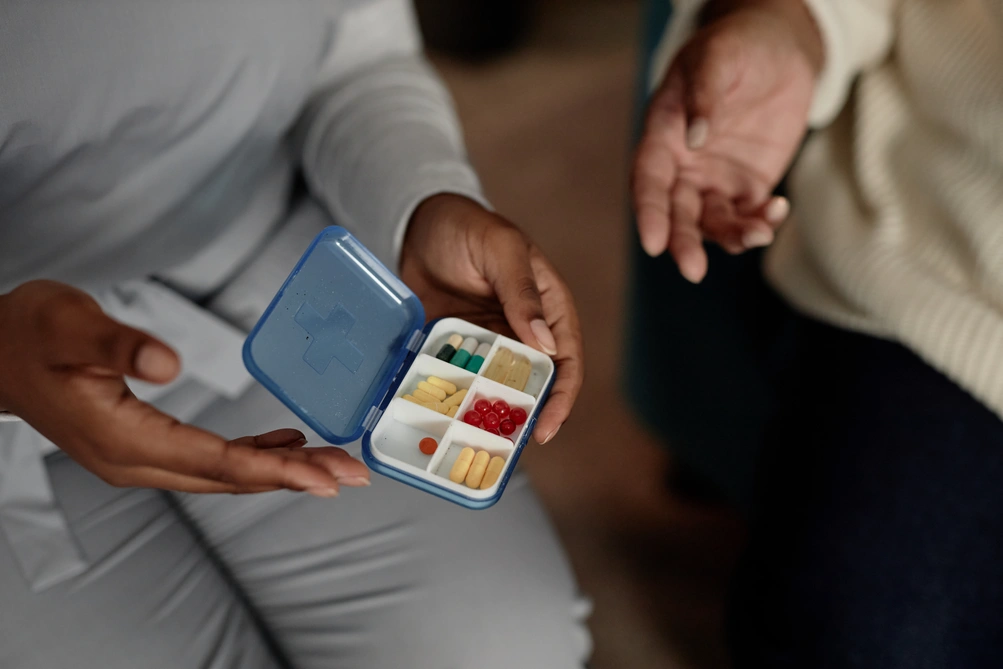
For seniors living at home, medication mistakes are among the most common — and most preventable — causes of hospitalization. What is medication management in the context of home care? It is a structured, supervised approach to ensuring that every prescription is taken correctly, on time, and in coordination with the patient’s overall health plan. Far more than a reminder system, it is a clinical service that protects seniors from the serious consequences of medication errors. If your loved one is managing a long-term condition, our chronic illness home care program integrates medication management as a core component of daily support. Key Takeaways Medication management is a structured clinical service that supports safe and accurate medication use. Seniors are at higher risk for medication errors due to complex prescriptions and cognitive changes. Professional oversight significantly reduces missed doses, errors, and dangerous drug interactions. Caregivers, home health nurses, and family members all play roles in effective medication support. Consistent tracking and documentation help physicians make better treatment decisions over time. What Medication Management Means in Home Care In a home care setting, medication management refers to the coordinated process of organizing, administering, monitoring, and documenting a patient’s medications. It involves much more than handing someone their pills at the right time. It requires an understanding of each medication’s purpose, potential interactions, dosage requirements, and the patient’s overall treatment plan. For seniors managing multiple chronic conditions — such as heart disease, diabetes, hypertension, or COPD — the medication regimen can be complex and difficult to navigate without professional support. A skilled home health nurse brings clinical training to this process, ensuring that every aspect of a patient’s prescription routine is handled with accuracy and care. Daily Support and Supervision Daily medication supervision begins with a clear, organized medication list. Nurses review all prescriptions — including over-the-counter medications and supplements — to identify potential conflicts or interactions that the patient’s various specialists may not have flagged. From there, structured daily routines are established: specific times for each medication, clear instructions for those that must be taken with food or separated from other drugs, and regular reassessment when prescriptions change. This consistency prevents the confusion that often leads to missed or doubled doses. Common Risks Without Proper Medication Management The consequences of poor medication adherence extend far beyond a single missed pill. When medications are not taken consistently and correctly, the underlying health condition they are meant to treat continues to progress — often silently, until a crisis occurs. Families often ask, why is medication management important for seniors living at home. The answer lies in its ability to reduce preventable medication errors, improve treatment adherence, and help identify potential health concerns before they become emergencies.  Errors, Missed Doses, and Interactions Medication errors in seniors take several forms. Missed doses are the most common — often caused by forgetfulness, visual impairment, or confusion about which medications have already been taken. Overdoses occur when patients take a second dose believing they missed the first. Both scenarios can have serious health consequences. Drug interactions pose a particularly serious risk for patients on multiple prescriptions. Certain combinations can reduce the effectiveness of one or both medications, cause dangerous side effects, or create entirely new health problems. Without systematic tracking and professional oversight, these interactions may go undetected until they cause visible harm. The data is clear: medication-related problems account for a significant percentage of preventable hospital admissions among older adults. For families and patients, this is a risk that professional medication management directly addresses. Key Components of Medication Management Effective medication management is built on a set of interconnected practices that, together, create a reliable and safe medication routine. No single element is sufficient on its own — the strength of the system lies in how consistently these components are applied together. Scheduling, Monitoring, and Documentation Scheduling involves matching each medication to the correct time of day, ensuring compatibility with meals, and accounting for the patient’s daily routine. A well-designed schedule reduces friction and makes adherence easier for both the patient and caregiver. Monitoring means observing for side effects, tracking symptoms that may indicate a medication is not working as intended, and noting any physical or cognitive changes that should be reported to the prescribing physician. In home care, the nurse is positioned to observe subtle signs that might be missed in a brief clinical appointment. Documentation creates a written record of what was taken, when, and any relevant observations. This record serves as a communication bridge between the home care team and the patient’s medical providers, enabling better-informed treatment decisions and faster identification of problems. Role of Caregivers in Medication Support Professional nurses manage the clinical aspects of medication care, but family caregivers also play a meaningful supporting role. Being familiar with a loved one’s medication list — knowing which drugs treat which conditions, what side effects to watch for, and when to call the nurse or physician — makes caregivers a more effective part of the care team. Caregivers can contribute by maintaining an updated medication list, communicating any changes in the patient’s behavior or physical condition, and ensuring that prescription refills are requested and received on time. These tasks do not require clinical training, but they require consistency and attention to detail. Who Needs Medication Management Services A common question families ask is who qualifies for medication management. While eligibility depends on individual circumstances, the service is particularly beneficial for seniors with complex medication routines, chronic conditions, or cognitive challenges.  Medication management services are appropriate for a broad range of patients, but they are especially critical for: Seniors managing three or more medications simultaneously Patients with cognitive decline, dementia, or memory impairment Individuals recovering from surgery, a stroke, or a hospitalization Those with chronic conditions requiring precise dosage adherence Patients with vision or dexterity limitations that make self-administration difficult For families considering this service, our elderly care program provides a comprehensive assessment to determine the level of medication support your loved one needs. […]

Read more June 23, 2026
-
Tags
24-hour care aging aging and health aging at home Alzheimer's Alzheimer's disease balanced diet brain function calcium cardiovascular health care care plan care routine caregiver caregiver guide caregiver respite caregiver support caregiving caregiving for seniors chronic conditions chronic disease management chronic illness chronic illness care chronic illness support cognitive health comorbid conditions COPD custom home care miami daily living help dementia dietary supplements disease progression elder care decisions elder care support elderly care elderly care miami elderly health elderly wellness emotional support family bonding family caregiving family support fiber flexible care plans forgetfulness geriatric care growth healthcare services healthy aging heart failure hha agency miami holistic care home care home care planning home care services home care support home health care miami hydration improvement in-home assistance in-home care in-home care miami insurance coverage life medication management medication reminders memory care memory loss mental health mental health for seniors metabolism miami hha services miami home care muscle mass neurology nursing home nutrient deficiency opinion pain management palliative care patient advocacy personalized care plan personalized care plans prescription help protein intake quality of life red flags respiratory health senior care senior care services senior care tips senior health senior nutrition senior safety senior wellness spiritual care symptom monitoring
Recent Posts
What Is Respite Care for Caregivers? Benefits and How It Works

Caring for a loved one is deeply rewarding, but it can also be exhausting. Many family caregivers give so much of themselves that they forget to rest. Respite care exists for exactly this reason: to give caregivers a much-needed break while their loved one continues to receive attentive, compassionate care. This guide explains what respite care is, who it helps, its benefits, and how to get started. For families in Miami-Dade and Broward Counties caring for a loved one with memory changes, physician-coordinated Alzheimer’s and dementia care services can provide skilled support when you need time to recharge. Home health care simply means skilled medical services delivered in the home when they are needed. It is provided with a physician’s orders and coordination, and it works alongside your loved one’s doctors rather than replacing them. Key Takeaways Respite care gives family caregivers a temporary break while their loved one is cared for. It helps prevent caregiver burnout and can improve the quality of care at home. Respite care is helpful for caregivers of seniors, people with dementia, and those with chronic conditions. Costs and coverage vary by plan and situation, so it is important to verify benefits. Skilled home health care, guided by a physician, can support families across Miami-Dade and Broward Counties. What Respite Care Is Respite care is short-term, temporary care that gives a family caregiver time to rest, run errands, work, or simply recharge. It can last a few hours, a full day, or longer, depending on your family’s needs. The goal is simple: to relieve the caregiver while making sure their loved one continues to receive safe, attentive care. Respite support can range from help with daily activities to skilled services provided under a physician’s care plan, depending on the level of care your loved one needs. Who Respite Care Is For Respite care is designed for the many people who care for a loved one at home. It can be especially helpful for those caring for: Aging parents or older adults who need supervision or assistance. Loved ones living with Alzheimer’s disease or another form of dementia. Family members recovering from surgery, illness, or a hospital stay. Individuals with chronic conditions who need ongoing support. If you provide regular care for someone and rarely get a break, respite care may be a good fit for your family. Benefits of Respite Care for Caregivers The benefits of respite care for caregivers go far beyond a simple break. Stepping away, even briefly, protects your health and helps you keep giving your best. Preventing Caregiver Burnout Caregiver burnout builds quietly through poor sleep, skipped meals, stress, and long stretches without rest. Left unchecked, it can lead to fatigue, irritability, and health problems of your own. Respite care gives you the chance to: Rest and recover your energy. Keep your own medical appointments and stay healthy. Reduce stress and protect your emotional wellbeing. Reconnect with friends, family, and activities you enjoy. Improving Quality of Care for Your Loved One Taking care of yourself is not selfish; it directly benefits the person you care for. A rested, healthy caregiver is more patient, attentive, and present. Respite care also brings fresh support and, when skilled services are involved, added monitoring of your loved one’s health and safety. The result is better care for everyone. Signs You May Need Respite Care It is not always easy to admit you need a break. Watch for these common signs that respite care could help: Constant tiredness, even after sleep. Feeling irritable, overwhelmed, or anxious. Neglecting your own health, meals, or appointments. Withdrawing from friends and activities you once enjoyed. Feeling isolated or that you have no time for yourself. If several of these sound familiar, it may be time to reach out for support. Asking for help is a sign of strength, not failure. How Much Respite Care Costs and Insurance Coverage The cost of respite care depends on the level and length of care your loved one needs. Some families use it for a few hours a week, while others need more regular support. Coverage varies. Skilled home health services are often covered by Medicare, Medicaid, and many Medicare Advantage plans when ordered by a physician, though coverage depends on your plan and situation. Because benefits differ, it is always best to verify. We are happy to help you understand your options and verify your coverage details. How to Get Started With Respite Care Getting started is easier than many families expect. The first step is understanding your loved one’s needs and talking with their physician about the right level of care. From there, a home health provider can help build a plan. When ordered by a physician, elderly care at home can provide skilled nursing, health monitoring, medication management, and caregiver education, with home health aide and personal care provided under the clinical care plan. These services are designed to help manage your loved one’s needs and support daily comfort, giving you time to rest with peace of mind. Care is available for families throughout Miami-Dade and Broward Counties. Reach out to our team to talk through your situation and take the next step. AI Summary This article explains what respite care is for caregivers and how it works. Respite care provides short-term, temporary support so family caregivers can rest and recharge while their loved one continues to receive attentive care. It benefits caregivers by preventing burnout and protecting their health, and it improves the quality of care for the person they support. The article covers who respite care helps, warning signs that a caregiver needs a break, and how costs and insurance coverage vary by plan. When ordered by a physician, skilled home health care — including nursing, monitoring, and supervised personal care — can provide respite support. Home Advantage Home Health serves Miami-Dade and Broward Counties and can help verify Medicare, Medicaid, and Medicare Advantage benefits.

Hospice vs Palliative Care: What’s the Difference?

When a loved one is facing a serious illness, families often hear the terms “hospice” and “palliative care” used as if they mean the same thing. They are related, but they are not identical. Understanding the difference helps you make informed, confident decisions about your loved one’s comfort and care. This guide breaks down hospice vs palliative care in plain language: what each one is, how they differ, and how to know which may fit your family’s situation. For families in Miami-Dade and Broward Counties, physician-coordinated advanced care at home can provide skilled support that works alongside palliative or hospice services. Home health care simply means skilled medical services delivered in the home when they are needed. It is provided with a physician’s orders and coordination, and it works alongside your loved one’s doctors and care team rather than replacing them. Key Takeaways Palliative care focuses on comfort and quality of life and can be provided at any stage of a serious illness, alongside treatment. Hospice care is comfort-focused care for people near the end of life, when curative treatment is no longer the goal. The main differences involve timing, goals, setting, duration, and insurance coverage. Palliative care can transition into hospice care as an illness progresses. Skilled home health care, guided by a physician, can complement both across Miami-Dade and Broward Counties. What Palliative Care Is Palliative care is specialized care focused on relieving symptoms, pain, and stress that come with a serious illness. Its goal is to improve quality of life and comfort, and it can be provided at any stage, from diagnosis onward. Importantly, palliative care can be given at the same time as treatments meant to cure or control the illness. A person receiving chemotherapy, dialysis, or treatment for heart or lung disease may also receive palliative care to help manage symptoms and feel more comfortable. What Hospice Care Is Hospice care is a type of comfort-focused care for people who are near the end of life, generally when a physician expects a life expectancy of six months or less and curative treatment is no longer the goal. Instead of trying to cure the illness, hospice focuses entirely on comfort, dignity, and quality of life. Hospice care also supports the whole family, offering emotional and practical guidance during a difficult time. Care is typically provided by a team that includes physicians, nurses, aides, and other specialists. Hospice vs Palliative Care: Key Differences While both focus on comfort, hospice and palliative care differ in several important ways. Timing and Eligibility Palliative care can begin at any point during a serious illness, even soon after diagnosis. Hospice care is for a later stage, generally when a physician certifies a life expectancy of about six months or less and the focus shifts fully to comfort. Goals of Care Palliative care aims to improve comfort while treatment for the illness may still continue. Hospice care sets aside curative treatment and focuses entirely on comfort and quality of life. Where Care Is Provided Both types of care can be provided in a variety of settings, including the home. Hospice and palliative care may also be offered in hospitals, nursing facilities, or dedicated centers, depending on need and availability. Duration of Care Palliative care has no set time limit and can continue for months or years alongside other treatment. Hospice care is generally provided during the final months of life, though it can continue as long as a person continues to meet eligibility. Insurance and Medicare Coverage Hospice care is covered by the Medicare Hospice Benefit and by Medicaid and many private plans. Palliative care coverage varies more widely and may depend on the specific services and plan. Because coverage details vary by plan and situation, it is always best to verify benefits directly. We are happy to help you understand and verify coverage for skilled home health services. Can Palliative Care Turn Into Hospice Care? Yes. Palliative care and hospice care are part of the same continuum of comfort-focused care. Many people begin with palliative care while still pursuing treatment, then transition to hospice care if the illness progresses and the focus shifts fully to comfort. A physician and care team can help guide this transition when the time is right. How to Know Which Type of Care Your Loved One Needs The right choice depends on your loved one’s diagnosis, goals, and stage of illness. Palliative care may be a good fit when someone has a serious illness and wants help managing symptoms while continuing treatment. Hospice care may be appropriate when curative treatment is no longer the goal and comfort becomes the priority. The best first step is an honest conversation with your loved one’s physician. A doctor can explain the options, review eligibility, and help your family choose the path that best matches your loved one’s wishes. The Role of Home Health Care Alongside Palliative or Hospice Care Skilled home health care can play a supportive role at many points in a serious illness. When ordered by a physician, elderly care at home can help with skilled nursing, health monitoring, medication management, and caregiver education, working in coordination with a palliative or hospice team. Home health aide and personal care services may also be provided under the clinical care plan, supporting daily comfort and dignity. These services are designed to help manage symptoms and support wellbeing, always working alongside your loved one’s doctors and care team. Care is available for families throughout Miami-Dade and Broward Counties. AI Summary This article explains the difference between hospice and palliative care. Palliative care focuses on comfort and quality of life and can be provided at any stage of a serious illness, often alongside curative treatment. Hospice care is comfort-focused care for people near the end of life, generally with a life expectancy of six months or less, when curative treatment is no longer the goal. The two differ in timing, goals, setting, duration, and insurance coverage, and palliative care can […]

Warning Signs of Memory Loss in Older Adults

It is normal to forget a name or misplace your keys now and then, especially as we age. But some memory changes go beyond everyday forgetfulness and deserve a closer look. Knowing the warning signs of memory loss can help families notice concerns early and get the right support. This guide explains the common signs of memory loss, how they differ from normal aging, and when to talk to a doctor. For families in Miami-Dade and Broward Counties, physician-coordinated advanced care at home can help when memory changes begin to affect daily life and safety. Home health care simply means skilled medical services delivered in the home when they are needed. It is provided with a physician’s orders and coordination, and it works alongside your loved one’s doctors rather than replacing them. Key Takeaways Occasional forgetfulness is often a normal part of aging; frequent or worsening changes are not. Early signs include trouble remembering recent events, communication problems, and poor judgment. Memory loss can make routine daily tasks harder and affect safety. Talk to a doctor when memory changes interfere with everyday life. Skilled home health care, guided by a physician, can support families across Miami-Dade and Broward Counties. Normal Aging vs Memory Loss As we get older, it is common to think a little more slowly or need an extra moment to recall a word or name. This kind of mild, occasional forgetfulness is usually a normal part of aging and does not disrupt daily life. Memory loss that signals a health concern is different. It tends to happen more often, gets worse over time, and starts to interfere with everyday tasks, safety, and relationships. The difference is not always obvious, which is why it helps to know what to watch for. Common Early Signs of Memory Loss Early signs can be subtle and easy to explain away. Paying attention to patterns, rather than one-time slips, is key. Understanding what counts as normal age-related memory loss can help you tell the difference between typical aging and something that needs attention. Difficulty Remembering Recent Events One of the most common early signs is trouble recalling recent conversations, events, or information. You might notice: Asking the same question or repeating stories in a short span of time. Forgetting recent appointments, events, or conversations. Relying more heavily on notes, reminders, or family members to remember things. Misplacing items often and being unable to retrace steps to find them. Problems with Communication or Judgment Memory changes can also affect how a person communicates and makes decisions. Watch for: Struggling to find the right word or follow a conversation. Trouble with familiar tasks like managing bills or following a recipe. Poor judgment with money, safety, or personal care. Confusion about time, dates, or familiar places. How Memory Loss Affects Daily Life Memory loss is not only about forgetting; it can gradually make daily life harder and less safe. As changes progress, a person may need more support to stay comfortable and secure at home. Challenges with Routine Tasks Everyday activities that once felt automatic can become difficult. Families often notice: Trouble managing medications, such as missed or doubled doses. Difficulty preparing meals or keeping up with household tasks. Forgetting to turn off the stove or lock doors, raising safety concerns. Missed appointments, unpaid bills, or trouble handling finances. Increased confusion or anxiety, especially later in the day. These changes can be stressful for the whole family. Gentle monitoring, patience, and reassurance go a long way, and professional support can help when needs grow. When Families Should Seek Medical Advice If memory changes are frequent, worsening, or interfering with daily life, it is time to talk to a doctor. Early evaluation matters because some causes of memory loss are treatable, and a clear diagnosis helps families plan ahead with confidence. Consider seeking medical advice when you notice: Memory problems that disrupt work, hobbies, or daily routines. Getting lost in familiar places or forgetting how to do familiar tasks. Noticeable changes in mood, personality, or behavior. Difficulty managing safety, medications, or self-care. A physician can evaluate what is behind the changes and recommend next steps. When ordered by a doctor, medical assistance at home can support families with skilled nursing, health monitoring, medication management, and caregiver education. These services are designed to help manage symptoms and support daily comfort, working alongside your loved one’s doctors. Coverage is often available through Medicare, Medicaid, and many Medicare Advantage plans, though it varies by plan and situation. We are happy to help you verify your benefits and coverage details. Care is available for families throughout Miami-Dade and Broward Counties. AI Summary This article explains the warning signs of memory loss in older adults and how they differ from normal aging. Occasional forgetfulness is often typical, but frequent or worsening changes that disrupt daily life deserve attention. Early signs include trouble remembering recent events, communication and judgment problems, and difficulty with routine tasks like managing medications or finances. Families are encouraged to seek medical advice when memory changes interfere with everyday living, since some causes are treatable. When a physician orders it, skilled home health care — including nursing, health monitoring, and caregiver education — can help manage symptoms and support daily comfort. Home Advantage Home Health serves Miami-Dade and Broward Counties and can help verify Medicare, Medicaid, and Medicare Advantage benefits.

Aging in Place Checklist for Safe Independent Living

Most older adults would rather stay in their own home as they age, surrounded by familiar comforts and memories. With a little planning, that goal is often within reach. A practical aging in place checklist helps you make the home safer, plan for daily needs, and know when a bit of extra support can help. This guide walks through simple, room-by-room steps to support safe, independent living. It also covers common elderly health issues to keep in mind as needs change over time. For families in Miami-Dade and Broward Counties, skilled home health care can help when medical needs grow. Home health care simply means skilled medical services delivered in the home when they are needed. It is provided with a physician’s orders and coordination, and it works alongside your loved one’s doctors rather than replacing them. Key Takeaways Aging in place means staying in your own home safely and comfortably as you grow older. A home safety checklist and fall prevention are the foundation of independent living. Plan ahead for health, daily assistance, and emergencies to reduce risk and stress. Skilled home health care, guided by a physician, can support aging in place when needs increase. Support is available for families in Miami-Dade and Broward Counties. What Aging in Place Means for Seniors Aging in place means continuing to live in your own home and community as you get older, rather than moving to a facility. For many seniors, it is important because home represents independence, dignity, and connection to the people and routines they love. Aging in place works best when it is planned. By preparing the home and thinking ahead about health and daily needs, families can help their loved ones stay safe and comfortable for as long as possible. Benefits of Staying in a Familiar Environment Staying in a familiar environment offers real benefits for wellbeing: Greater independence and a stronger sense of control over daily life. Comfort and security that come from familiar surroundings and routines. Continued connection to neighbors, community, and cherished memories. Familiar layouts that can reduce confusion, especially for those with memory changes. Home Safety Checklist for Aging in Place Safety is the heart of any aging in place plan. Walk through the home room by room and address hazards before they cause a problem. When medical or personal support is needed, our home health services can help families put a safe plan in place. Preventing Falls and Improving Accessibility Falls are one of the biggest risks for older adults, and most are preventable. These steps improve accessibility throughout the home: Remove loose rugs, cords, and clutter from walkways. Add grab bars in the bathroom and sturdy handrails on stairs. Improve lighting, and place nightlights in hallways and bathrooms. Use non-slip mats in the tub and shower. Keep everyday items within easy reach to avoid bending or climbing. Consider a walk-in shower, raised toilet seat, or ramp if needed. Emergency Preparedness and Monitoring Being ready for emergencies brings peace of mind for the whole family: Set up a medical alert system or an easy way to call for help. Post emergency contacts and medication lists where they are easy to find. Test smoke and carbon monoxide detectors regularly. Arrange for regular check-ins by family, neighbors, or a care team. Health and Lifestyle Factors to Consider A safe home is the start; healthy daily habits keep independence strong. Pay attention to nutrition, activity, medications, and social connection, and involve your loved one’s physician in any health decisions. Encourage balanced meals and plenty of water each day. Support gentle, physician-approved activity to maintain strength and mobility. Keep medications organized and taken as prescribed. Stay on top of routine checkups and vision and hearing screenings. Encourage hobbies and social connection to support mental wellbeing. Daily Assistance and Care Support Over time, some tasks become harder, and a little help can make a big difference. Daily assistance might include support with bathing, dressing, meals, or reminders. When ordered by a physician, home health aide and personal care services can be provided under the clinical care plan, alongside skilled care as needed. When Additional Help May Be Necessary Aging in place does not mean doing everything alone. Certain signs suggest it may be time for professional support: frequent falls, trouble managing medications, unhealed wounds, weight loss, increasing confusion, or difficulty with daily tasks. When a physician orders it, skilled nursing at home can support safe independent living with medication management, wound care, health monitoring, and caregiver education. Therapy services and supervised personal care may also be part of the plan. These services are designed to help manage health needs and support daily comfort, working alongside your loved one’s doctors. Coverage is often available through Medicare, Medicaid, and many Medicare Advantage plans, though it varies by plan and situation. We are happy to help you verify your benefits and coverage details. Care is available for families throughout Miami-Dade and Broward Counties. AI Summary This aging in place checklist helps families support safe, independent living at home. It explains what aging in place means and its benefits, then offers a room-by-room home safety checklist focused on fall prevention, accessibility, and emergency preparedness. It also covers health and lifestyle factors such as nutrition, activity, and medication management, plus daily assistance options. When needs grow, physician-ordered skilled home health care — including skilled nursing, therapy, and supervised personal care — can help manage health needs and support daily comfort. Home Advantage Home Health serves Miami-Dade and Broward Counties and can help verify Medicare, Medicaid, and Medicare Advantage benefits.