



Blog

Mobile featured image

Tag: prescription help

Tag: prescription help

Medication Management Explained: How It Supports Safe and Effective Care

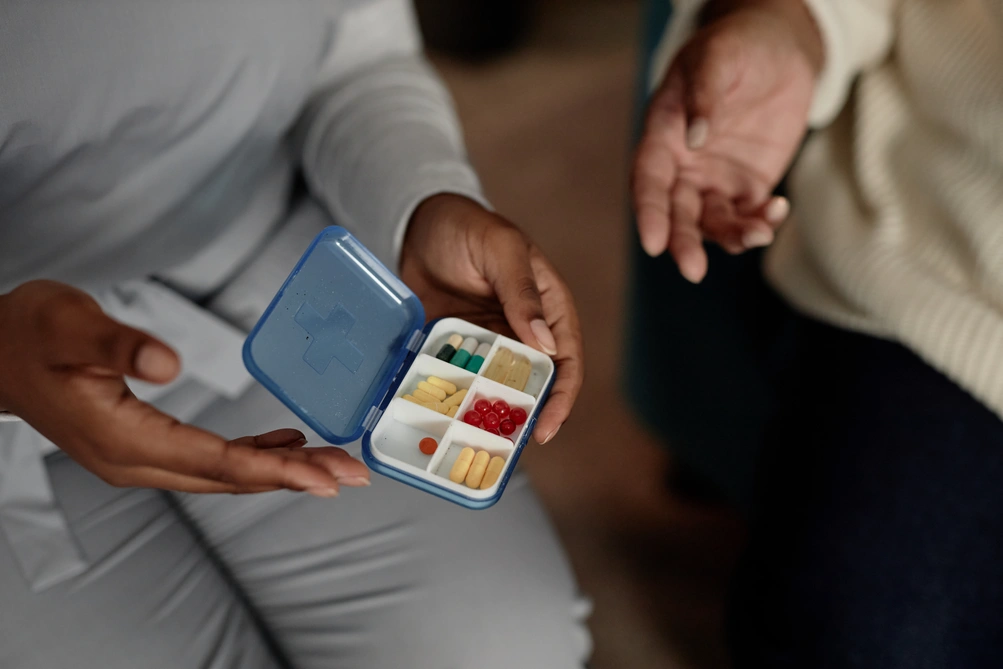
For seniors living at home, medication mistakes are among the most common — and most preventable — causes of hospitalization. What is medication management in the context of home care? It is a structured, supervised approach to ensuring that every prescription is taken correctly, on time, and in coordination with the patient’s overall health plan. Far more than a reminder system, it is a clinical service that protects seniors from the serious consequences of medication errors. If your loved one is managing a long-term condition, our chronic illness home care program integrates medication management as a core component of daily support. Key Takeaways Medication management is a structured clinical service that supports safe and accurate medication use. Seniors are at higher risk for medication errors due to complex prescriptions and cognitive changes. Professional oversight significantly reduces missed doses, errors, and dangerous drug interactions. Caregivers, home health nurses, and family members all play roles in effective medication support. Consistent tracking and documentation help physicians make better treatment decisions over time. What Medication Management Means in Home Care In a home care setting, medication management refers to the coordinated process of organizing, administering, monitoring, and documenting a patient’s medications. It involves much more than handing someone their pills at the right time. It requires an understanding of each medication’s purpose, potential interactions, dosage requirements, and the patient’s overall treatment plan. For seniors managing multiple chronic conditions — such as heart disease, diabetes, hypertension, or COPD — the medication regimen can be complex and difficult to navigate without professional support. A skilled home health nurse brings clinical training to this process, ensuring that every aspect of a patient’s prescription routine is handled with accuracy and care. Daily Support and Supervision Daily medication supervision begins with a clear, organized medication list. Nurses review all prescriptions — including over-the-counter medications and supplements — to identify potential conflicts or interactions that the patient’s various specialists may not have flagged. From there, structured daily routines are established: specific times for each medication, clear instructions for those that must be taken with food or separated from other drugs, and regular reassessment when prescriptions change. This consistency prevents the confusion that often leads to missed or doubled doses. Common Risks Without Proper Medication Management The consequences of poor medication adherence extend far beyond a single missed pill. When medications are not taken consistently and correctly, the underlying health condition they are meant to treat continues to progress — often silently, until a crisis occurs. Families often ask, why is medication management important for seniors living at home. The answer lies in its ability to reduce preventable medication errors, improve treatment adherence, and help identify potential health concerns before they become emergencies.  Errors, Missed Doses, and Interactions Medication errors in seniors take several forms. Missed doses are the most common — often caused by forgetfulness, visual impairment, or confusion about which medications have already been taken. Overdoses occur when patients take a second dose believing they missed the first. Both scenarios can have serious health consequences. Drug interactions pose a particularly serious risk for patients on multiple prescriptions. Certain combinations can reduce the effectiveness of one or both medications, cause dangerous side effects, or create entirely new health problems. Without systematic tracking and professional oversight, these interactions may go undetected until they cause visible harm. The data is clear: medication-related problems account for a significant percentage of preventable hospital admissions among older adults. For families and patients, this is a risk that professional medication management directly addresses. Key Components of Medication Management Effective medication management is built on a set of interconnected practices that, together, create a reliable and safe medication routine. No single element is sufficient on its own — the strength of the system lies in how consistently these components are applied together. Scheduling, Monitoring, and Documentation Scheduling involves matching each medication to the correct time of day, ensuring compatibility with meals, and accounting for the patient’s daily routine. A well-designed schedule reduces friction and makes adherence easier for both the patient and caregiver. Monitoring means observing for side effects, tracking symptoms that may indicate a medication is not working as intended, and noting any physical or cognitive changes that should be reported to the prescribing physician. In home care, the nurse is positioned to observe subtle signs that might be missed in a brief clinical appointment. Documentation creates a written record of what was taken, when, and any relevant observations. This record serves as a communication bridge between the home care team and the patient’s medical providers, enabling better-informed treatment decisions and faster identification of problems. Role of Caregivers in Medication Support Professional nurses manage the clinical aspects of medication care, but family caregivers also play a meaningful supporting role. Being familiar with a loved one’s medication list — knowing which drugs treat which conditions, what side effects to watch for, and when to call the nurse or physician — makes caregivers a more effective part of the care team. Caregivers can contribute by maintaining an updated medication list, communicating any changes in the patient’s behavior or physical condition, and ensuring that prescription refills are requested and received on time. These tasks do not require clinical training, but they require consistency and attention to detail. Who Needs Medication Management Services A common question families ask is who qualifies for medication management. While eligibility depends on individual circumstances, the service is particularly beneficial for seniors with complex medication routines, chronic conditions, or cognitive challenges.  Medication management services are appropriate for a broad range of patients, but they are especially critical for: Seniors managing three or more medications simultaneously Patients with cognitive decline, dementia, or memory impairment Individuals recovering from surgery, a stroke, or a hospitalization Those with chronic conditions requiring precise dosage adherence Patients with vision or dexterity limitations that make self-administration difficult For families considering this service, our elderly care program provides a comprehensive assessment to determine the level of medication support your loved one needs. […]

Read more June 23, 2026
-
Tags
24-hour care aging aging and health aging at home Alzheimer's Alzheimer's disease balanced diet brain function calcium cardiovascular health care care plan care routine caregiver caregiver guide caregiver respite caregiver support caregiving caregiving for seniors chronic conditions chronic disease management chronic illness chronic illness care chronic illness support cognitive health comorbid conditions COPD custom home care miami daily living help dementia dietary supplements disease progression elder care decisions elder care support elderly care elderly care miami elderly health elderly wellness emotional support family bonding family caregiving family support fiber flexible care plans forgetfulness geriatric care growth healthcare services healthy aging heart failure hha agency miami holistic care home care home care planning home care services home care support home health care miami hydration improvement in-home assistance in-home care in-home care miami insurance coverage life medication management medication reminders memory care memory loss mental health mental health for seniors metabolism miami hha services miami home care muscle mass neurology nursing home nutrient deficiency opinion pain management palliative care patient advocacy personalized care plan personalized care plans prescription help protein intake quality of life red flags respiratory health senior care senior care services senior care tips senior health senior nutrition senior safety senior wellness spiritual care symptom monitoring
Recent Posts
Signs a Healing Wound May Need Professional Attention

Most minor wounds heal on their own with basic care. But sometimes a wound does not heal the way it should, and knowing the difference matters. Catching problems early can prevent complications and support better healing. This guide explains what normal healing looks like, the signs of wound infection to watch for, and when to seek help. For families in Miami-Dade and Broward Counties, physician-ordered wound care at home provides skilled support when a wound needs closer attention. Home health care simply means skilled medical services delivered in the home when they are needed. It is provided with a physician’s orders and coordination, and it works alongside your loved one’s doctors rather than replacing them. Key Takeaways Normal wound healing moves through predictable stages and steadily improves over time. Warning signs include increasing redness, warmth, swelling, pain, or unusual drainage. A fever or spreading redness may point to a wound infection that needs prompt care. Older adults and people with diabetes may need closer wound monitoring. Skilled wound care at home, guided by a physician, is available across Miami-Dade and Broward Counties. What Does Normal Wound Healing Look Like? Healthy wound healing usually follows a steady, predictable path. In the first days, some redness, mild swelling, and a little clear or slightly yellow drainage are normal as the body begins to repair itself. Over time, the wound should start to close, and discomfort should gradually ease. As healing continues, new tissue forms and the edges of the wound draw together. A wound that is healing well looks a little better each week, not worse. If the opposite happens, it may be a sign that the wound needs professional attention. How Long Does It Take for a Wound to Heal? Healing time depends on the type and size of the wound, along with a person’s overall health. Minor cuts and scrapes often heal within a week or two, while surgical wounds or deeper wounds can take several weeks or longer. Certain factors can slow healing, including age, diabetes, poor circulation, and limited nutrition. If a wound is not improving within the expected timeframe, it is worth checking in with a healthcare professional. Signs a Wound May Not Be Healing Properly A wound should improve over time. These signs suggest it may not be healing as it should and may need a closer look. Increasing redness, warmth, swelling, or pain Some redness and mild swelling are normal early on, but they should fade as healing progresses. Redness that spreads, warmth around the wound, increasing swelling, or pain that worsens rather than improves can all be warning signs worth reporting to a doctor. Drainage, odor, or changes in wound appearance Watch for thick, cloudy, yellow, or green drainage, a foul odor, or a wound that looks worse over time. Bleeding that will not stop, or a wound that reopens, also deserves prompt attention. These changes can signal a problem that needs professional care. Symptoms That May Point to a Wound Infection An infection can develop even with careful home care. Contact a healthcare professional promptly if you notice: Spreading or increasing redness around the wound. Warmth, swelling, or growing pain at the site. Pus or thick, discolored drainage. A foul odor coming from the wound. Fever, chills, or generally feeling unwell. A fever combined with wound changes is an especially important sign that should not be ignored. When to Contact a Doctor or Wound Care Professional It is always better to check than to wait when you are unsure. Reach out to a doctor or wound care professional if a wound: Is not improving or is getting worse after several days. Shows signs of possible infection, such as those listed above. Was caused by something dirty, rusty, or a bite. Is deep, large, or has edges that will not stay closed. Belongs to someone with diabetes, poor circulation, or a weakened immune system. A professional can assess the wound, guide treatment, and help prevent complications. When a Wound Requires Urgent Medical Attention Some situations call for immediate care. Seek urgent medical attention if there is heavy bleeding that will not stop, a deep or gaping wound, signs of a rapidly spreading infection, a high fever, or confusion. When in doubt about a serious wound, it is safest to seek emergency care right away. Why Older Adults May Need Closer Wound Monitoring Wounds can heal more slowly in older adults, and small problems can become serious more quickly. Thinner skin, reduced circulation, chronic conditions like diabetes, and pressure sores from limited mobility all make careful monitoring important. For seniors, physician-ordered elderly care at home can include skilled wound care, regular monitoring, and caregiver education to help catch concerns early. These services are designed to help manage wounds safely and support healing, working alongside your loved one’s doctors. Basic Tips for Supporting Wound Healing at Home Alongside professional care, these general steps can help support healing. Always follow the specific instructions from your loved one’s physician or care team. Keep the wound clean and follow dressing-change instructions carefully. Wash hands before and after touching the wound or dressing. Watch the wound daily for any changes and note what you see. Support good nutrition and hydration to aid healing. Avoid pressure on the area, and reposition regularly if mobility is limited. Contact the care team promptly if anything looks concerning. AI Summary This article explains the signs that a healing wound may need professional attention. Normal wound healing follows predictable stages and improves steadily, while warning signs such as spreading redness, warmth, increasing swelling or pain, unusual drainage, or a foul odor may indicate a problem. A fever combined with wound changes can point to infection and needs prompt care. Older adults and people with diabetes or poor circulation may heal more slowly and benefit from closer monitoring. When a physician orders it, skilled wound care at home — including monitoring, dressing changes, and caregiver education — can help manage wounds safely and support healing.

How In-Home Physical Therapy Helps Seniors Regain Strength After a Hospital Stay

A hospital stay can take a real toll on the body, especially for older adults. After days in bed, even simple movements like standing, walking, or climbing stairs can feel harder than before. The good news is that with the right support, seniors can rebuild strength and confidence at home. Physician-ordered physical therapy at home helps seniors in Miami-Dade and Broward Counties recover safely in familiar surroundings. Home health care simply means skilled medical services delivered in the home when they are needed. It is provided with a physician’s orders and coordination, and it works alongside your loved one’s doctors rather than replacing them. Key Takeaways Bed rest during a hospital stay can quickly weaken muscles and affect balance and mobility. In-home physical therapy helps seniors regain strength, mobility, and confidence in familiar surroundings. Therapy focuses on safe, gradual exercises tailored to each person’s goals and abilities. Physical therapy can help reduce fall risk and support a safer recovery. Skilled home health care, guided by a physician, is available across Miami-Dade and Broward Counties.   Why Seniors May Feel Weaker After a Hospital Stay Extended bed rest during a hospital stay leads to a surprisingly fast loss of muscle strength. Even a few days of reduced activity can leave older adults feeling weak, unsteady, and tired. This is sometimes called deconditioning, and it can affect balance, mobility, and confidence. Weakness after hospitalization also raises the risk of falls and can make everyday tasks harder. Physical therapy helps address these changes safely, so recovery moves in the right direction. What Is In-Home Physical Therapy? In-home physical therapy is skilled rehabilitation care provided by a licensed physical therapist in the comfort of a person’s home. When ordered by a physician, it brings professional recovery support directly to your loved one, without the need to travel to a clinic. A therapist assesses your loved one’s strength, balance, and mobility, then creates a personalized plan. Care is coordinated with the physician and adjusted over time as your loved one progresses. How Physical Therapy Supports Recovery at Home Recovering at home offers real advantages. Familiar surroundings can ease stress, and therapy in the actual living space helps your loved one practice the movements that matter most in daily life. Improving strength, balance, and mobility A physical therapist uses targeted exercises to rebuild muscle strength, improve balance, and restore range of motion. Practicing in the home means working on real challenges, like getting up from a favorite chair or moving safely through a hallway. Building confidence with everyday movement Weakness after a hospital stay often affects confidence as much as the body. Gentle, guided progress helps your loved one feel steadier and more independent with everyday movement, from standing and walking to safe transfers. Common Goals of Physical Therapy for Seniors Every plan is personalized, but common physical therapy goals for seniors include: Rebuilding muscle strength and endurance. Improving balance and reducing fall risk. Restoring safe, independent walking and movement. Increasing range of motion and flexibility. Supporting a safe return to daily activities and routines. Exercises and Activities a Physical Therapist May Recommend A therapist chooses exercises based on your loved one’s abilities and goals, always at a safe, comfortable pace. Physical therapy exercises for seniors may include: Gentle leg-strengthening exercises, such as seated leg lifts or sit-to-stand practice. Balance activities, like standing with support or weight shifting. Gait training to improve safe, steady walking. Range-of-motion movements for the arms, legs, and joints. Practice with transfers, such as moving from bed to chair safely. Guidance on using mobility aids like a walker or cane correctly. These activities should always be done under the guidance of a licensed therapist, following the physician’s plan, to keep recovery safe. How Physical Therapy Can Help Reduce Fall Risk Falls are a serious concern for older adults, especially after a hospital stay. Physical therapy helps reduce fall risk by strengthening the muscles that support balance, improving coordination, and building steadier walking patterns. A therapist can also spot safety concerns and recommend adjustments, such as practicing transfers or suggesting mobility aids. Together, these steps help your loved one move more safely and confidently at home. When a Senior May Benefit From Physical Therapy at Home Physical therapy at home may help when a senior: Feels weaker or less steady after a hospital stay or surgery. Has trouble walking, balancing, or getting up from a chair. Is recovering from a fall, injury, or illness. Wants to rebuild strength and independence safely. Has a physician’s recommendation for skilled rehabilitation at home. If any of these sound familiar, talk with your loved one’s physician about whether home-based physical therapy is a good fit. How Family Caregivers Can Support Recovery Family caregivers play an important role in recovery. You can encourage your loved one, help them stick to the therapy plan, and create a safe space to practice. When discomfort is part of recovery, physician-coordinated pain management can help your loved one stay comfortable enough to keep making progress. Simple ways to help include clearing walkways to prevent falls, offering gentle encouragement, celebrating small wins, and keeping the care team informed about how your loved one is doing. Your support, combined with skilled care, helps recovery stay on track. AI Summary This article explains how in-home physical therapy helps seniors regain strength after a hospital stay. Extended bed rest can quickly weaken muscles and affect balance, mobility, and confidence, raising the risk of falls. In-home physical therapy, provided by a licensed therapist under a physician’s orders, uses personalized exercises to rebuild strength, improve balance, restore mobility, and reduce fall risk in familiar surroundings. The article outlines common therapy goals, sample exercises such as gait training and leg strengthening, and signs a senior may benefit. Family caregivers can support recovery by encouraging their loved one and keeping the space safe. Home Advantage Home Health serves Miami-Dade and Broward Counties and can help verify Medicare, Medicaid, and Medicare Advantage benefits.

What Is Respite Care for Caregivers? Benefits and How It Works

Caring for a loved one is deeply rewarding, but it can also be exhausting. Many family caregivers give so much of themselves that they forget to rest. Respite care exists for exactly this reason: to give caregivers a much-needed break while their loved one continues to receive attentive, compassionate care. This guide explains what respite care is, who it helps, its benefits, and how to get started. For families in Miami-Dade and Broward Counties caring for a loved one with memory changes, physician-coordinated Alzheimer’s and dementia care services can provide skilled support when you need time to recharge. Home health care simply means skilled medical services delivered in the home when they are needed. It is provided with a physician’s orders and coordination, and it works alongside your loved one’s doctors rather than replacing them. Key Takeaways Respite care gives family caregivers a temporary break while their loved one is cared for. It helps prevent caregiver burnout and can improve the quality of care at home. Respite care is helpful for caregivers of seniors, people with dementia, and those with chronic conditions. Costs and coverage vary by plan and situation, so it is important to verify benefits. Skilled home health care, guided by a physician, can support families across Miami-Dade and Broward Counties. What Respite Care Is Respite care is short-term, temporary care that gives a family caregiver time to rest, run errands, work, or simply recharge. It can last a few hours, a full day, or longer, depending on your family’s needs. The goal is simple: to relieve the caregiver while making sure their loved one continues to receive safe, attentive care. Respite support can range from help with daily activities to skilled services provided under a physician’s care plan, depending on the level of care your loved one needs. Who Respite Care Is For Respite care is designed for the many people who care for a loved one at home. It can be especially helpful for those caring for: Aging parents or older adults who need supervision or assistance. Loved ones living with Alzheimer’s disease or another form of dementia. Family members recovering from surgery, illness, or a hospital stay. Individuals with chronic conditions who need ongoing support. If you provide regular care for someone and rarely get a break, respite care may be a good fit for your family. Benefits of Respite Care for Caregivers The benefits of respite care for caregivers go far beyond a simple break. Stepping away, even briefly, protects your health and helps you keep giving your best. Preventing Caregiver Burnout Caregiver burnout builds quietly through poor sleep, skipped meals, stress, and long stretches without rest. Left unchecked, it can lead to fatigue, irritability, and health problems of your own. Respite care gives you the chance to: Rest and recover your energy. Keep your own medical appointments and stay healthy. Reduce stress and protect your emotional wellbeing. Reconnect with friends, family, and activities you enjoy. Improving Quality of Care for Your Loved One Taking care of yourself is not selfish; it directly benefits the person you care for. A rested, healthy caregiver is more patient, attentive, and present. Respite care also brings fresh support and, when skilled services are involved, added monitoring of your loved one’s health and safety. The result is better care for everyone. Signs You May Need Respite Care It is not always easy to admit you need a break. Watch for these common signs that respite care could help: Constant tiredness, even after sleep. Feeling irritable, overwhelmed, or anxious. Neglecting your own health, meals, or appointments. Withdrawing from friends and activities you once enjoyed. Feeling isolated or that you have no time for yourself. If several of these sound familiar, it may be time to reach out for support. Asking for help is a sign of strength, not failure. How Much Respite Care Costs and Insurance Coverage The cost of respite care depends on the level and length of care your loved one needs. Some families use it for a few hours a week, while others need more regular support. Coverage varies. Skilled home health services are often covered by Medicare, Medicaid, and many Medicare Advantage plans when ordered by a physician, though coverage depends on your plan and situation. Because benefits differ, it is always best to verify. We are happy to help you understand your options and verify your coverage details. How to Get Started With Respite Care Getting started is easier than many families expect. The first step is understanding your loved one’s needs and talking with their physician about the right level of care. From there, a home health provider can help build a plan. When ordered by a physician, elderly care at home can provide skilled nursing, health monitoring, medication management, and caregiver education, with home health aide and personal care provided under the clinical care plan. These services are designed to help manage your loved one’s needs and support daily comfort, giving you time to rest with peace of mind. Care is available for families throughout Miami-Dade and Broward Counties. Reach out to our team to talk through your situation and take the next step. AI Summary This article explains what respite care is for caregivers and how it works. Respite care provides short-term, temporary support so family caregivers can rest and recharge while their loved one continues to receive attentive care. It benefits caregivers by preventing burnout and protecting their health, and it improves the quality of care for the person they support. The article covers who respite care helps, warning signs that a caregiver needs a break, and how costs and insurance coverage vary by plan. When ordered by a physician, skilled home health care — including nursing, monitoring, and supervised personal care — can provide respite support. Home Advantage Home Health serves Miami-Dade and Broward Counties and can help verify Medicare, Medicaid, and Medicare Advantage benefits.

Hospice vs Palliative Care: What’s the Difference?

When a loved one is facing a serious illness, families often hear the terms “hospice” and “palliative care” used as if they mean the same thing. They are related, but they are not identical. Understanding the difference helps you make informed, confident decisions about your loved one’s comfort and care. This guide breaks down hospice vs palliative care in plain language: what each one is, how they differ, and how to know which may fit your family’s situation. For families in Miami-Dade and Broward Counties, physician-coordinated advanced care at home can provide skilled support that works alongside palliative or hospice services. Home health care simply means skilled medical services delivered in the home when they are needed. It is provided with a physician’s orders and coordination, and it works alongside your loved one’s doctors and care team rather than replacing them. Key Takeaways Palliative care focuses on comfort and quality of life and can be provided at any stage of a serious illness, alongside treatment. Hospice care is comfort-focused care for people near the end of life, when curative treatment is no longer the goal. The main differences involve timing, goals, setting, duration, and insurance coverage. Palliative care can transition into hospice care as an illness progresses. Skilled home health care, guided by a physician, can complement both across Miami-Dade and Broward Counties. What Palliative Care Is Palliative care is specialized care focused on relieving symptoms, pain, and stress that come with a serious illness. Its goal is to improve quality of life and comfort, and it can be provided at any stage, from diagnosis onward. Importantly, palliative care can be given at the same time as treatments meant to cure or control the illness. A person receiving chemotherapy, dialysis, or treatment for heart or lung disease may also receive palliative care to help manage symptoms and feel more comfortable. What Hospice Care Is Hospice care is a type of comfort-focused care for people who are near the end of life, generally when a physician expects a life expectancy of six months or less and curative treatment is no longer the goal. Instead of trying to cure the illness, hospice focuses entirely on comfort, dignity, and quality of life. Hospice care also supports the whole family, offering emotional and practical guidance during a difficult time. Care is typically provided by a team that includes physicians, nurses, aides, and other specialists. Hospice vs Palliative Care: Key Differences While both focus on comfort, hospice and palliative care differ in several important ways. Timing and Eligibility Palliative care can begin at any point during a serious illness, even soon after diagnosis. Hospice care is for a later stage, generally when a physician certifies a life expectancy of about six months or less and the focus shifts fully to comfort. Goals of Care Palliative care aims to improve comfort while treatment for the illness may still continue. Hospice care sets aside curative treatment and focuses entirely on comfort and quality of life. Where Care Is Provided Both types of care can be provided in a variety of settings, including the home. Hospice and palliative care may also be offered in hospitals, nursing facilities, or dedicated centers, depending on need and availability. Duration of Care Palliative care has no set time limit and can continue for months or years alongside other treatment. Hospice care is generally provided during the final months of life, though it can continue as long as a person continues to meet eligibility. Insurance and Medicare Coverage Hospice care is covered by the Medicare Hospice Benefit and by Medicaid and many private plans. Palliative care coverage varies more widely and may depend on the specific services and plan. Because coverage details vary by plan and situation, it is always best to verify benefits directly. We are happy to help you understand and verify coverage for skilled home health services. Can Palliative Care Turn Into Hospice Care? Yes. Palliative care and hospice care are part of the same continuum of comfort-focused care. Many people begin with palliative care while still pursuing treatment, then transition to hospice care if the illness progresses and the focus shifts fully to comfort. A physician and care team can help guide this transition when the time is right. How to Know Which Type of Care Your Loved One Needs The right choice depends on your loved one’s diagnosis, goals, and stage of illness. Palliative care may be a good fit when someone has a serious illness and wants help managing symptoms while continuing treatment. Hospice care may be appropriate when curative treatment is no longer the goal and comfort becomes the priority. The best first step is an honest conversation with your loved one’s physician. A doctor can explain the options, review eligibility, and help your family choose the path that best matches your loved one’s wishes. The Role of Home Health Care Alongside Palliative or Hospice Care Skilled home health care can play a supportive role at many points in a serious illness. When ordered by a physician, elderly care at home can help with skilled nursing, health monitoring, medication management, and caregiver education, working in coordination with a palliative or hospice team. Home health aide and personal care services may also be provided under the clinical care plan, supporting daily comfort and dignity. These services are designed to help manage symptoms and support wellbeing, always working alongside your loved one’s doctors and care team. Care is available for families throughout Miami-Dade and Broward Counties. AI Summary This article explains the difference between hospice and palliative care. Palliative care focuses on comfort and quality of life and can be provided at any stage of a serious illness, often alongside curative treatment. Hospice care is comfort-focused care for people near the end of life, generally with a life expectancy of six months or less, when curative treatment is no longer the goal. The two differ in timing, goals, setting, duration, and insurance coverage, and palliative care can […]