




Blog

Mobile featured image

Tag: senior care

Tag: senior care

Medication Management Explained: How It Supports Safe and Effective Care

For seniors living at home, medication mistakes are among the most common — and most preventable — causes of hospitalization. What is medication management in the context of home care? It is a structured, supervised approach to ensuring that every prescription is taken correctly, on time, and in coordination with the patient’s overall health plan. Far more than a reminder system, it is a clinical service that protects seniors from the serious consequences of medication errors. If your loved one is managing a long-term condition, our chronic illness home care program integrates medication management as a core component of daily support. Key Takeaways Medication management is a structured clinical service that supports safe and accurate medication use. Seniors are at higher risk for medication errors due to complex prescriptions and cognitive changes. Professional oversight significantly reduces missed doses, errors, and dangerous drug interactions. Caregivers, home health nurses, and family members all play roles in effective medication support. Consistent tracking and documentation help physicians make better treatment decisions over time. What Medication Management Means in Home Care In a home care setting, medication management refers to the coordinated process of organizing, administering, monitoring, and documenting a patient’s medications. It involves much more than handing someone their pills at the right time. It requires an understanding of each medication’s purpose, potential interactions, dosage requirements, and the patient’s overall treatment plan. For seniors managing multiple chronic conditions — such as heart disease, diabetes, hypertension, or COPD — the medication regimen can be complex and difficult to navigate without professional support. A skilled home health nurse brings clinical training to this process, ensuring that every aspect of a patient’s prescription routine is handled with accuracy and care. Daily Support and Supervision Daily medication supervision begins with a clear, organized medication list. Nurses review all prescriptions — including over-the-counter medications and supplements — to identify potential conflicts or interactions that the patient’s various specialists may not have flagged. From there, structured daily routines are established: specific times for each medication, clear instructions for those that must be taken with food or separated from other drugs, and regular reassessment when prescriptions change. This consistency prevents the confusion that often leads to missed or doubled doses. Common Risks Without Proper Medication Management The consequences of poor medication adherence extend far beyond a single missed pill. When medications are not taken consistently and correctly, the underlying health condition they are meant to treat continues to progress — often silently, until a crisis occurs. Families often ask, why is medication management important for seniors living at home. The answer lies in its ability to reduce preventable medication errors, improve treatment adherence, and help identify potential health concerns before they become emergencies.  Errors, Missed Doses, and Interactions Medication errors in seniors take several forms. Missed doses are the most common — often caused by forgetfulness, visual impairment, or confusion about which medications have already been taken. Overdoses occur when patients take a second dose believing they missed the first. Both scenarios can have serious health consequences. Drug interactions pose a particularly serious risk for patients on multiple prescriptions. Certain combinations can reduce the effectiveness of one or both medications, cause dangerous side effects, or create entirely new health problems. Without systematic tracking and professional oversight, these interactions may go undetected until they cause visible harm. The data is clear: medication-related problems account for a significant percentage of preventable hospital admissions among older adults. For families and patients, this is a risk that professional medication management directly addresses. Key Components of Medication Management Effective medication management is built on a set of interconnected practices that, together, create a reliable and safe medication routine. No single element is sufficient on its own — the strength of the system lies in how consistently these components are applied together. Scheduling, Monitoring, and Documentation Scheduling involves matching each medication to the correct time of day, ensuring compatibility with meals, and accounting for the patient’s daily routine. A well-designed schedule reduces friction and makes adherence easier for both the patient and caregiver. Monitoring means observing for side effects, tracking symptoms that may indicate a medication is not working as intended, and noting any physical or cognitive changes that should be reported to the prescribing physician. In home care, the nurse is positioned to observe subtle signs that might be missed in a brief clinical appointment. Documentation creates a written record of what was taken, when, and any relevant observations. This record serves as a communication bridge between the home care team and the patient’s medical providers, enabling better-informed treatment decisions and faster identification of problems. Role of Caregivers in Medication Support Professional nurses manage the clinical aspects of medication care, but family caregivers also play a meaningful supporting role. Being familiar with a loved one’s medication list — knowing which drugs treat which conditions, what side effects to watch for, and when to call the nurse or physician — makes caregivers a more effective part of the care team. Caregivers can contribute by maintaining an updated medication list, communicating any changes in the patient’s behavior or physical condition, and ensuring that prescription refills are requested and received on time. These tasks do not require clinical training, but they require consistency and attention to detail. Who Needs Medication Management Services A common question families ask is who qualifies for medication management. While eligibility depends on individual circumstances, the service is particularly beneficial for seniors with complex medication routines, chronic conditions, or cognitive challenges.  Medication management services are appropriate for a broad range of patients, but they are especially critical for: Seniors managing three or more medications simultaneously Patients with cognitive decline, dementia, or memory impairment Individuals recovering from surgery, a stroke, or a hospitalization Those with chronic conditions requiring precise dosage adherence Patients with vision or dexterity limitations that make self-administration difficult For families considering this service, our elderly care program provides a comprehensive assessment to determine the level of medication support your loved one needs. […]

Read more June 23, 2026
Understanding Chronic Disease Management and Its Importance for Seniors

Chronic diseases are not a death sentence, so you can get your life back on track and not despair. The main thing is to learn to live in new circumstances, maintaining both your physical and emotional well-being. What Is Chronic Disease Management? Chronic disease management is a long-term care plan that helps prevent complications and improve quality of life. It is compiled by professionals – medical staff, experienced caregivers, nutritionists, and others. Each home care plan is tailored to the needs and capabilities of a specific person. It can be changed if the person under care’s condition changes. Challenges of Living With Chronic Illness Chronic diseases in older adults change their lifestyle. According to research, 68.7% of such patients suffer from stress, and 51.1% from additional anxiety. In addition to emotional deterioration, they also negatively affect other aspects of life. Physical limitations and fatigue 95% of people with chronic illnesses rely on caregivers or relatives for help. They experience physical discomfort, which manifests itself in: limited mobility; poor sleep; pain and fatigue. The consequences depend on the type of disease. For example, mobility issues are observed in cases of arthritis or spinal problems. Emotional stress and mental health concerns The uncertainty and need to change old habits due to dealing with chronic illness cause anxiety and stress. Constant pain can lead to isolation and a cessation of active communication. This negatively affects self-esteem, mood, and feelings of joy in life. In the long term, this can lead to depression, so it is worth taking measures to prevent such outcomes. Medication routines and doctor appointments First, you have to understand what is chronic disease management, and ensure it. To maintain your well-being and prevent your symptoms from worsening, you need to undergo treatment. Seniors should always visit their doctors, get tested, and monitor their condition. If you are unable to take your medication on time by yourself, you can delegate this responsibility to a caregiver or family member who looks after you.  The importance of family and community support There is a strong connection between emotional state and human health. Patients with higher optimism tend to have better treatment outcomes. To feel comfortable, people with chronic illnesses need the support of their relatives. When they are around, the patient does not feel lonely, and their mood improves. Benefits of Managing Chronic Diseases at Home If you don’t know how to live with chronic illness, home care can help you cope. Having a caregiver’s support in familiar surroundings has its advantages. Benefits Details Personalized care It is easier to organize individual treatment plans that take into account the patient’s specific needs at home. Medical professionals and caregivers can tailor care to specific needs, including diet, physical activity, and symptom management. Independence All of the ward’s needs and desires are taken into account. They always have the right to choose, and the familiar home environment allows them to feel at ease. Cost-effectiveness Home care is often less expensive than a long stay in a hospital or specialized facility. It helps reduce hospitalization and transportation costs while maintaining a high level of medical support. Patients at home are more likely to adhere to their medication regimens and keep doctor appointments. This is due to the convenience and reduced stress compared to regular trips to the clinic. Practical Tips for Families Supporting Seniors With Chronic Conditions As you age, maintaining your health can become more difficult. By following all the rules and getting reliable support, you can stay calm and not compromise your physical condition. Encouraging medication adherence Effective treatment must be followed to prevent the disease from progressing. To do this, you need to consult a doctor, monitor and record your symptoms, as well as changes in your condition. Patients who take their medication without missing doses are less likely to be hospitalized. The main thing is not to self-medicate. Promoting physical activity and healthy habits You shouldn’t give up physical activities. At first, living with chronic illness may seem difficult, but it is worth trying relaxation and meditation techniques. They will reduce anxiety and help you switch gears.  Healthy habits should be maintained in any case. Go to bed early and get at least 9 hours of sleep. Eat right and monitor your water balance, calculating it based on your body weight. Recognizing early warning signs of complications If you suffer from a chronic illness, it is important to learn everything you can about it. Pay attention to the appearance of new symptoms, including: shortness of breath; severe fatigue; headaches and other types of pain; changes in blood sugar/blood pressure levels. Responding quickly to such signals will allow you to take immediate action. Thanks to this responsible approach, you can prevent more serious negative consequences. Keeping open communication with doctors and caregivers Doctors and nurses should provide you with a comprehensive, individualized treatment and care plan. You need to communicate with them regularly. If your health or symptoms change, let them know. If you have any questions, it is better to ask than to guess what to do and what medications to take. How Professional Caregivers Make a Difference Professional caregivers show compassion and share your daily life. With them, your home becomes comfortable – the food is healthy, you feel good, and there is always someone to talk to. In-home monitoring and regular health assessments Caregivers with medical training can provide healthcare. They can help measure vital signs, give injections, and monitor health. Also, they can go with you to medical facilities and keep track of your medical history. Assistance with nutrition, mobility, and hygiene If you are unable to manage everyday tasks, someone else will do them for you. A caregiver can check the freshness of food, cook, clean, and help you get around. They listen to their charges’ wishes and give them the opportunity to remain independent. Building trust and emotional connection The caregiver’s care goes beyond physical assistance. Compassion and attention build trust and reduce feelings of isolation. […]

Read more December 29, 2025
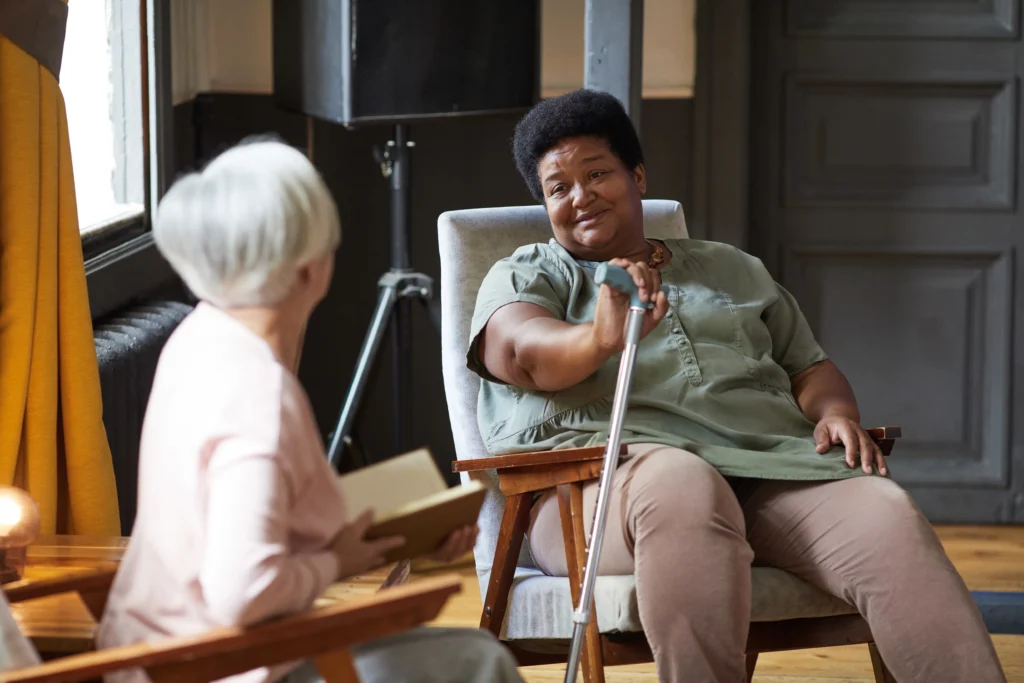
Senior woman using a cane talking with a friend in a cozy living room while receiving emotional support
Recognizing Health Conditions that Require Home Care Support

For many families, deciding whether their loved one needs home care can be a difficult and emotional process. Some health problems can be managed independently, while others require more structured care, monitoring, and medical oversight. Understanding which conditions and situations may qualify for in-home assistance is important for making sure patients receive the right treatment and support in a safe environment. This guide will help identify common and complex health conditions that often benefit from home care services, along with examples of how agencies provide assistance, education, and medical plans tailored to patients’ needs. What is home care support?  Home care, sometimes called in-home care or home health, refers to professional medical or personal assistance that’s provided to the patient in their residence rather than in a hospital or nursing facility. Depending on the type of service, it may include skilled nursing, chronic disease management, daily living support, or preventive care. These services are designed to help patients recover, stabilize, or maintain their health while staying in familiar surroundings. Sometimes, in-home assistance is also referred to as aging in place, as it enables seniors to remain in their homes while receiving support for ongoing concerns.  Family members can care for their loved ones at home, but home care is generally more structured. Caregiving agencies coordinate with doctors, family members, and other resources to ensure a patient’s care plan is customized. Services provided can range from memory care to medication management and daily hygiene. Medicaid and other insurance programs may cover qualifying conditions, depending on the diagnosis and level of assistance needed. Common examples of conditions requiring home care There are many illnesses and situations where in-home care is recommended. Here are some of the most common conditions and types of health problems that may require professional support: Chronic diseases. Patients with health issues like diabetes, heart disease, COPD, or arthritis often need regular monitoring and treatment. For example, an aide may assist with insulin injections, blood sugar checks, and patient education to prevent complications. Life-threatening or complex illnesses. Conditions such as cancer or advanced neurological disorders may require palliative or hospice care at home to keep patients comfortable while receiving medicine and emotional support. Post-hospital recovery. After surgery, stroke, or other serious medical issues, many patients need assistance to regain independence. In-home nursing services help monitor recovery, provide therapy, and prevent re-hospitalization. Elderly care. Aging parents with physical or cognitive decline may require daily support. Caregivers can provide meal preparation, mobility help, safety monitoring, and companionship to reduce the burden on family members. Mental health and memory conditions. Depression, dementia, and anxiety may not always seem like qualifying problems for in-home caregiving, but these diagnoses often lead to situations where patients need consistent guidance, medication management, and supervision. How to know when home care is needed Recognizing the signs that your family member requires structured caregiving support at home can be challenging, especially if you don’t spend a lot of time with your loved one. Here is what to look out for:  Forgetting to take their medications or struggling to manage medication schedules Difficulty performing basic daily tasks such as showering, grocery shopping, or cleaning  Fatigue or worsening of chronic illness symptoms Frequent hospital visits or readmissions Signs of being overwhelmed by treatment or recovery at home When these things begin to occur, it is important to seek professional evaluation. A doctor or care agency can assess your loved one’s medical needs, create an order for care at home, and design a preventive service plan to help get them back on track. Types of home care services provided Caregiving agencies offer a wide list of services that can be tailored to the diagnosis and needs of the patient. Agencies have a roster of professional caregivers who can offer support, but some allow family members to get paid for caregiving. Home care services may include: Skilled nursing. Administration of medicine, wound care, insulin injections, or IV therapy.  Monitoring and education. Helping patients and families understand conditions, treatment options, and preventive steps. Physical and occupational therapy. Assisting with mobility, recovery, and strength-building exercises. Personal aide assistance. Support with hygiene, meals, and daily tasks. Preventive and primary care support. Education and monitoring help identify issues early, reducing the risk of worsening conditions. The role of agencies in providing support Agencies are essential in bridging the gap between hospital care and home recovery. They ensure patients are not left alone to manage complex medical problems without guidance. By coordinating with doctors and providing professional, certified services, agencies reduce stress for families and improve long-term health outcomes. Each patient’s plan is individualized, meaning that two people with the same disease may still receive different types of care, depending on their situation. For example, one diabetes patient may only need insulin administration and blood sugar monitoring, while another may need full-time assistance due to related complications. How to get the right care in the right environment Support at home is not just about convenience. It’s often a medical necessity for patients facing chronic or serious acute conditions. Whether caring for elderly parents, managing a complex illness, or supporting recovery after hospitalization, in-home services provide the structure and monitoring needed to improve health outcomes. By learning to identify which conditions and diagnoses qualify for this type of care, families can make informed choices and ensure their loved ones receive the support they need. With proper treatment plans, professional assistance, and preventive strategies, seniors can live safely and comfortably at home while still getting all the support they need.  Commonly asked questions about how to know when it’s time for home care What health conditions typically require home care support? Common conditions include chronic diseases like diabetes and heart disease, post-surgery recovery, advanced neurological disorders, memory issues such as dementia, and elderly care needs requiring daily assistance or supervision. How do I know if my loved one needs home care? Signs include difficulty managing medications, trouble with daily tasks, frequent hospital visits, worsening chronic symptoms, and signs […]

Read more September 11, 2025
-
Tags
24-hour care aging aging and health aging at home Alzheimer's Alzheimer's disease balanced diet brain function calcium cardiovascular health care care plan care routine caregiver caregiver guide caregiver respite caregiver support caregiving caregiving for seniors chronic conditions chronic disease management chronic illness chronic illness care chronic illness support cognitive health comorbid conditions COPD custom home care miami daily living help dementia dietary supplements disease progression elder care decisions elder care support elderly care elderly care miami elderly health elderly wellness emotional support family bonding family caregiving family support fiber flexible care plans forgetfulness geriatric care growth healthcare services healthy aging heart failure hha agency miami holistic care home care home care planning home care services home care support home health care miami hydration improvement in-home assistance in-home care in-home care miami insurance coverage life medication management medication reminders memory care memory loss mental health mental health for seniors metabolism miami hha services miami home care muscle mass neurology nursing home nutrient deficiency opinion pain management palliative care patient advocacy personalized care plan personalized care plans prescription help protein intake quality of life red flags respiratory health senior care senior care services senior care tips senior health senior nutrition senior safety senior wellness spiritual care symptom monitoring
Recent Posts
Warning Signs of Memory Loss in Older Adults

It is normal to forget a name or misplace your keys now and then, especially as we age. But some memory changes go beyond everyday forgetfulness and deserve a closer look. Knowing the warning signs of memory loss can help families notice concerns early and get the right support. This guide explains the common signs of memory loss, how they differ from normal aging, and when to talk to a doctor. For families in Miami-Dade and Broward Counties, physician-coordinated advanced care at home can help when memory changes begin to affect daily life and safety. Home health care simply means skilled medical services delivered in the home when they are needed. It is provided with a physician’s orders and coordination, and it works alongside your loved one’s doctors rather than replacing them. Key Takeaways Occasional forgetfulness is often a normal part of aging; frequent or worsening changes are not. Early signs include trouble remembering recent events, communication problems, and poor judgment. Memory loss can make routine daily tasks harder and affect safety. Talk to a doctor when memory changes interfere with everyday life. Skilled home health care, guided by a physician, can support families across Miami-Dade and Broward Counties. Normal Aging vs Memory Loss As we get older, it is common to think a little more slowly or need an extra moment to recall a word or name. This kind of mild, occasional forgetfulness is usually a normal part of aging and does not disrupt daily life. Memory loss that signals a health concern is different. It tends to happen more often, gets worse over time, and starts to interfere with everyday tasks, safety, and relationships. The difference is not always obvious, which is why it helps to know what to watch for. Common Early Signs of Memory Loss Early signs can be subtle and easy to explain away. Paying attention to patterns, rather than one-time slips, is key. Understanding what counts as normal age-related memory loss can help you tell the difference between typical aging and something that needs attention. Difficulty Remembering Recent Events One of the most common early signs is trouble recalling recent conversations, events, or information. You might notice: Asking the same question or repeating stories in a short span of time. Forgetting recent appointments, events, or conversations. Relying more heavily on notes, reminders, or family members to remember things. Misplacing items often and being unable to retrace steps to find them. Problems with Communication or Judgment Memory changes can also affect how a person communicates and makes decisions. Watch for: Struggling to find the right word or follow a conversation. Trouble with familiar tasks like managing bills or following a recipe. Poor judgment with money, safety, or personal care. Confusion about time, dates, or familiar places. How Memory Loss Affects Daily Life Memory loss is not only about forgetting; it can gradually make daily life harder and less safe. As changes progress, a person may need more support to stay comfortable and secure at home. Challenges with Routine Tasks Everyday activities that once felt automatic can become difficult. Families often notice: Trouble managing medications, such as missed or doubled doses. Difficulty preparing meals or keeping up with household tasks. Forgetting to turn off the stove or lock doors, raising safety concerns. Missed appointments, unpaid bills, or trouble handling finances. Increased confusion or anxiety, especially later in the day. These changes can be stressful for the whole family. Gentle monitoring, patience, and reassurance go a long way, and professional support can help when needs grow. When Families Should Seek Medical Advice If memory changes are frequent, worsening, or interfering with daily life, it is time to talk to a doctor. Early evaluation matters because some causes of memory loss are treatable, and a clear diagnosis helps families plan ahead with confidence. Consider seeking medical advice when you notice: Memory problems that disrupt work, hobbies, or daily routines. Getting lost in familiar places or forgetting how to do familiar tasks. Noticeable changes in mood, personality, or behavior. Difficulty managing safety, medications, or self-care. A physician can evaluate what is behind the changes and recommend next steps. When ordered by a doctor, medical assistance at home can support families with skilled nursing, health monitoring, medication management, and caregiver education. These services are designed to help manage symptoms and support daily comfort, working alongside your loved one’s doctors. Coverage is often available through Medicare, Medicaid, and many Medicare Advantage plans, though it varies by plan and situation. We are happy to help you verify your benefits and coverage details. Care is available for families throughout Miami-Dade and Broward Counties. AI Summary This article explains the warning signs of memory loss in older adults and how they differ from normal aging. Occasional forgetfulness is often typical, but frequent or worsening changes that disrupt daily life deserve attention. Early signs include trouble remembering recent events, communication and judgment problems, and difficulty with routine tasks like managing medications or finances. Families are encouraged to seek medical advice when memory changes interfere with everyday living, since some causes are treatable. When a physician orders it, skilled home health care — including nursing, health monitoring, and caregiver education — can help manage symptoms and support daily comfort. Home Advantage Home Health serves Miami-Dade and Broward Counties and can help verify Medicare, Medicaid, and Medicare Advantage benefits.

Aging in Place Checklist for Safe Independent Living

Most older adults would rather stay in their own home as they age, surrounded by familiar comforts and memories. With a little planning, that goal is often within reach. A practical aging in place checklist helps you make the home safer, plan for daily needs, and know when a bit of extra support can help. This guide walks through simple, room-by-room steps to support safe, independent living. It also covers common elderly health issues to keep in mind as needs change over time. For families in Miami-Dade and Broward Counties, skilled home health care can help when medical needs grow. Home health care simply means skilled medical services delivered in the home when they are needed. It is provided with a physician’s orders and coordination, and it works alongside your loved one’s doctors rather than replacing them. Key Takeaways Aging in place means staying in your own home safely and comfortably as you grow older. A home safety checklist and fall prevention are the foundation of independent living. Plan ahead for health, daily assistance, and emergencies to reduce risk and stress. Skilled home health care, guided by a physician, can support aging in place when needs increase. Support is available for families in Miami-Dade and Broward Counties. What Aging in Place Means for Seniors Aging in place means continuing to live in your own home and community as you get older, rather than moving to a facility. For many seniors, it is important because home represents independence, dignity, and connection to the people and routines they love. Aging in place works best when it is planned. By preparing the home and thinking ahead about health and daily needs, families can help their loved ones stay safe and comfortable for as long as possible. Benefits of Staying in a Familiar Environment Staying in a familiar environment offers real benefits for wellbeing: Greater independence and a stronger sense of control over daily life. Comfort and security that come from familiar surroundings and routines. Continued connection to neighbors, community, and cherished memories. Familiar layouts that can reduce confusion, especially for those with memory changes. Home Safety Checklist for Aging in Place Safety is the heart of any aging in place plan. Walk through the home room by room and address hazards before they cause a problem. When medical or personal support is needed, our home health services can help families put a safe plan in place. Preventing Falls and Improving Accessibility Falls are one of the biggest risks for older adults, and most are preventable. These steps improve accessibility throughout the home: Remove loose rugs, cords, and clutter from walkways. Add grab bars in the bathroom and sturdy handrails on stairs. Improve lighting, and place nightlights in hallways and bathrooms. Use non-slip mats in the tub and shower. Keep everyday items within easy reach to avoid bending or climbing. Consider a walk-in shower, raised toilet seat, or ramp if needed. Emergency Preparedness and Monitoring Being ready for emergencies brings peace of mind for the whole family: Set up a medical alert system or an easy way to call for help. Post emergency contacts and medication lists where they are easy to find. Test smoke and carbon monoxide detectors regularly. Arrange for regular check-ins by family, neighbors, or a care team. Health and Lifestyle Factors to Consider A safe home is the start; healthy daily habits keep independence strong. Pay attention to nutrition, activity, medications, and social connection, and involve your loved one’s physician in any health decisions. Encourage balanced meals and plenty of water each day. Support gentle, physician-approved activity to maintain strength and mobility. Keep medications organized and taken as prescribed. Stay on top of routine checkups and vision and hearing screenings. Encourage hobbies and social connection to support mental wellbeing. Daily Assistance and Care Support Over time, some tasks become harder, and a little help can make a big difference. Daily assistance might include support with bathing, dressing, meals, or reminders. When ordered by a physician, home health aide and personal care services can be provided under the clinical care plan, alongside skilled care as needed. When Additional Help May Be Necessary Aging in place does not mean doing everything alone. Certain signs suggest it may be time for professional support: frequent falls, trouble managing medications, unhealed wounds, weight loss, increasing confusion, or difficulty with daily tasks. When a physician orders it, skilled nursing at home can support safe independent living with medication management, wound care, health monitoring, and caregiver education. Therapy services and supervised personal care may also be part of the plan. These services are designed to help manage health needs and support daily comfort, working alongside your loved one’s doctors. Coverage is often available through Medicare, Medicaid, and many Medicare Advantage plans, though it varies by plan and situation. We are happy to help you verify your benefits and coverage details. Care is available for families throughout Miami-Dade and Broward Counties. AI Summary This aging in place checklist helps families support safe, independent living at home. It explains what aging in place means and its benefits, then offers a room-by-room home safety checklist focused on fall prevention, accessibility, and emergency preparedness. It also covers health and lifestyle factors such as nutrition, activity, and medication management, plus daily assistance options. When needs grow, physician-ordered skilled home health care — including skilled nursing, therapy, and supervised personal care — can help manage health needs and support daily comfort. Home Advantage Home Health serves Miami-Dade and Broward Counties and can help verify Medicare, Medicaid, and Medicare Advantage benefits.

Hospital Discharge Checklist for Safe Recovery at Home

Coming home after a hospital stay is a relief, but the days right after discharge are also when problems are most likely to happen. A little planning goes a long way. A clear hospital discharge checklist helps you prepare the home, manage medications, and know what to watch for as your loved one heals. This guide walks you through what to do before and after returning home, plus a simple week-by-week recovery plan. For families in Miami-Dade and Broward Counties, physician-ordered transitional care management can help make the move from hospital to home smoother and safer. Home health care simply means skilled medical services provided in the home when they are needed. It is delivered with a physician’s orders and coordination, and it works alongside your doctors rather than replacing them. Key Takeaways Good discharge planning lowers the risk of complications and return trips to the hospital. Prepare the home for safety before your loved one returns, and organize medications and equipment. The first week is the most important; follow instructions closely and attend follow-up visits. Watch for warning signs and keep the care team informed as recovery continues. Skilled home health care, guided by a physician, can support safe recovery at home across Miami-Dade and Broward Counties. Why Proper Discharge Planning Is Important Discharge from the hospital means your loved one is well enough to continue recovering at home or in another setting. But leaving the hospital does not mean recovery is finished. Careful planning helps prevent missed medications, falls, infections, and confusion about instructions, which are among the most common reasons people end up back in the hospital. Good planning also brings peace of mind. When you know the medications, follow-up appointments, and warning signs ahead of time, the transition home feels far less overwhelming. Common Risks After Hospital Discharge Understanding the risks helps you prevent them. An unsafe discharge is when someone leaves the hospital without a proper plan, support, or the ability to safely manage at home. Watch closely for these common challenges: Medication mistakes, such as missed doses, duplicates, or confusion between old and new prescriptions. Falls caused by weakness, new equipment, or hazards around the home. Wound or surgical site infections that need prompt attention. Missed follow-up appointments or unclear instructions. New or worsening symptoms that go unnoticed without regular monitoring. Preparing the Home Before Returning from the Hospital A few simple changes at home can prevent many problems. Ideally, prepare the space before your loved one is discharged so everything is ready on arrival. When medical needs are more involved, physician-ordered skilled nursing at home can help with wound care, medication management, and health monitoring during recovery. Safety, Medications, and Medical Equipment Use this section of your checklist to set up a safe, organized space: Clear walkways and remove loose rugs, cords, and clutter to reduce fall risk. Add good lighting, nightlights, and grab bars in the bathroom if needed. Set up a clean, comfortable rest area with essentials within easy reach. Fill all prescriptions and create a simple medication schedule or pill organizer. Confirm any equipment (walker, commode, oxygen, or hospital bed) is delivered and set up. Post emergency numbers and the follow-up appointment schedule where they are easy to see. Stock easy meals, water, and any recommended supplies before arrival. Week-by-Week Recovery Plan Recovery happens in stages. A steady, week-by-week approach helps you focus on the right things at the right time and notice progress along the way. First Week After Hospital Discharge The first week sets the tone for recovery. Keep things calm, follow instructions carefully, and do not hesitate to ask for help. Give medications exactly as prescribed and track each dose. Follow activity, diet, and wound-care instructions from the discharge paperwork. Watch for warning signs such as fever, increased pain, swelling, or drainage. Schedule and attend the first follow-up appointment with the physician. Rest often, encourage gentle movement as advised, and prevent falls. Ongoing Monitoring and Follow-Up Care As the weeks pass, the focus shifts to steady healing and building strength. Continue monitoring and stay in close contact with the care team. Keep all follow-up appointments and update the physician on any changes. Track symptoms, weight, or blood pressure if the care team recommends it. Gradually increase activity and mobility only as approved by the physician. Continue a consistent daily routine to support rest, nutrition, and healing. Reach out promptly if new symptoms appear or something does not feel right. How Home Health Care Supports Recovery Even with a solid plan, families cannot always manage every medical need alone, and that is completely understandable. When a physician orders it, transitional care provides professional support during the crucial period after a hospital stay to help recovery stay on track. Depending on the physician’s plan, skilled home health services may include: Skilled nursing for wound care, medication management, and health monitoring. Physical, occupational, or speech therapy to help rebuild strength and function. Home health aide and personal care support under the clinical care plan. Education for patients and family caregivers on medications, symptoms, and safety. These services are designed to help manage symptoms and support recovery, working alongside your loved one’s doctors. Coverage is often available through Medicare, Medicaid, and many Medicare Advantage plans, though it varies by plan and situation. We are happy to help you verify your benefits and coverage details. Care is available for families throughout Miami-Dade and Broward Counties, with support designed to make the transition from hospital to home as safe and smooth as possible. How It Works Assessment: A clinician reviews the discharge plan and needs, coordinating with the physician. Care plan: We build a personalized, physician-guided recovery plan for your loved one. Ongoing visits and updates: Our team provides scheduled visits, monitors progress, and keeps you and the physician informed. Why Families Trust Home Advantage Home Health Medicare-certified skilled home health care delivered with physician coordination. Serving Miami-Dade and Broward Counties. Compassionate, patient-centered support for seniors and family caregivers. Personalized care plans […]

Practical Tips for Dementia Caregivers

Caring for a loved one with dementia is one of the most compassionate things a family can do, and one of the most demanding. Memory changes, confusion, and shifting behavior can make even simple routines feel uncertain. The good news is that a few practical, patient-centered habits can make daily life calmer and safer for everyone involved. This guide shares caregiver tips for dementia that you can use at home today, from building routines to communicating with more patience. Home health care means skilled medical services provided in the home when a physician orders them, and for many families it becomes an important source of support as needs change. If your loved one’s condition is complex, our advanced home health care services can work alongside you and your physician to help manage care at home in Miami-Dade and Broward Counties. Key Takeaways Predictable routines and a safe, clutter-free home reduce confusion and stress for people living with dementia. Calm, simple communication and plenty of reassurance help ease agitation and build trust. Behavioral changes and memory loss are part of the condition, not personal choices; patience and monitoring go a long way. Caregivers need self-care too; preventing burnout and seeking support protects both you and your loved one. When needs grow, skilled home health care delivered with physician coordination can provide professional support at home. Understanding the Challenges of Dementia Care Dementia is not a single disease but a group of symptoms that affect memory, thinking, and the ability to handle everyday tasks. As the condition progresses, your loved one may struggle to recall names, follow conversations, or recognize familiar places. Understanding what is happening helps you respond with compassion rather than frustration. Every person experiences dementia differently. Some days will feel steady and connected; others may bring confusion or restlessness. Recognizing this variability is the first step toward providing steady, reassuring care and knowing when extra help may be useful. Behavioral Changes and Memory Loss Memory loss is often the most visible symptom, but behavioral changes can be just as challenging. Your loved one may repeat questions, misplace items, become anxious in the late afternoon, or react strongly to changes in surroundings. These behaviors are usually driven by confusion, discomfort, or an unmet need rather than intention. A few caregiver tips for dementia patients can help you respond calmly: Look for triggers such as hunger, pain, tiredness, or noise before assuming a behavior is random. Avoid arguing or correcting; gently redirect attention to a comforting activity. Keep a simple log of behaviors and times so patterns become easier to spot and share with the physician. Offer reassurance with a warm tone and familiar words, even when the details of a conversation slip away. Strategies to Reduce Stress for Caregivers Stress tends to build quietly for family caregivers. Small, consistent strategies can lower the daily strain and create a more peaceful home. Because many people with dementia also live with heart disease, diabetes, or other long-term conditions, coordinated support matters. Learning how chronic disease management works can help you keep everyday care organized and reduce the guesswork that so often fuels stress. Creating Routines and Safe Environments Predictability is calming. A steady daily rhythm for meals, rest, and activities gives your loved one fewer decisions to make and fewer chances for confusion. Keep wake-up, meals, and bedtime at roughly the same times each day. Reduce clutter and remove tripping hazards such as loose rugs and trailing cords to support safety. Use good lighting, especially in hallways and bathrooms, to lower nighttime confusion. Label drawers or doors with words or pictures to help with orientation. Store medications, cleaning products, and sharp items securely, and consider simple locks on exterior doors. Communication Techniques for Dementia Patients How you say something often matters more than what you say. Gentle, unhurried communication builds trust and reduces agitation. Approach from the front, make eye contact, and use your loved one’s name. Speak slowly in short, simple sentences and ask one question at a time. Offer easy choices, such as two shirts rather than an open-ended question. Use a calm tone and friendly body language; a smile communicates safety. Allow extra time for a response, and repeat with the same words if needed rather than rephrasing. Self-Care for Dementia Caregivers You cannot pour from an empty cup. Caring for yourself is not a luxury; it is part of providing good care. These caregiver tips for dealing with dementia are as much about your wellbeing as your loved one’s. Preventing Burnout and Seeking Support Caregiver burnout can show up as exhaustion, irritability, trouble sleeping, or feeling isolated. Noticing these signs early lets you take action before they take a toll on your health. Protect short breaks each day, even 15 minutes to breathe, walk, or rest. Accept help from family and friends, and be specific about what you need. Stay connected through a caregiver support group, in person or online, to share coping strategies. Keep up with your own medical appointments, nutrition, and sleep. Give yourself grace on hard days; patience with yourself is part of the process. When Professional Care May Be Needed As dementia progresses, care needs can grow beyond what one person can safely manage at home. Signs that extra help may be useful include new medical conditions, frequent falls, difficulty managing medications, wounds that need attention, or increasing supervision needs around the clock. When that time comes, skilled home health care can support you at home. Delivered with your physician’s orders and coordination, our skilled nursing at home services bring clinical monitoring, medication guidance, and hands-on assistance to your door. Home health aide and personal care support is provided under a clinical plan of care, so daily help works hand in hand with your loved one’s medical needs. These services do not replace your doctor; they extend the care team into the home. Home Advantage Home Health serves families in Miami-Dade and Broward Counties, with support that follows your loved one from post-hospital […]