




Blog

Mobile featured image

Category: Aging at Home

Category: Aging at Home

Steps for Creating and Maintaining a Care Plan

When loved ones get older, they may need extra assistance. Families may consider developing a care plan to ensure their needs are met. The plan should outline a basic routine for meal planning, cleaning, transportation, and other daily tasks. A family caregiver, inexperienced in elderly care, may not know where to start. This article will provide the guidance you need. What are the Benefits of Creating a Care Plan for Your Loved One? The importance of care planning should not be overlooked. It provides the following advantages: Produces a Sense of Calm: Anxiety is a common problem in older adults. A daily routine is beneficial, producing a sense of calm. Personalised Approach: Plans are typically created after carefully assessing a loved one’s needs, ensuring an approach that supports personalisation. Ensures Teamwork: The plan serves as a guide that multiple caregivers can follow. It allows duties to be split among relatives, friends, and professionals, ensuring a seamless care cycle. How to Create a Plan for Your Aged Loved Ones Here are some tips to consider. Make it Personalized Caregivers must consider that no two care plans are alike. They must be individualised to their loved one’s needs. For example, a loved one with a chronic medical condition, like dementia, cancer, or diabetes, may require a specific approach considering their medications and health needs. The caregiver must also consider the patient’s personality and the things they like to do when they create a schedule. Setting Up a Daily Routine Next, they should create a daily routine as a template for the individual’s day. They should work on the development of plans that include mealtimes, social activities, time for hobbies, and physical activity. This can be worked out after carefully assessing the person’s needs to ensure nothing is overlooked. Of course, plans can vary somewhat due to special events, doctors’ appointments, or to keep things interesting. However, regularity can be beneficial in reducing anxiety and ensuring all needs are met. Create Documentation Caring for a loved one can be difficult. Often, families will split duties among a team for additional support. Coordination is necessary. In these instances, the family may consider creating a guide that outlines the loved one’s routine, whether that means writing it down or storing it on a smart device. The document should be editable so it can be updated as the loved one’s personalised needs change. This step keeps everyone in the home care team on the same page. Home Advantage Can Help You Develop a Personal Care Plan Creating a routine is essential in care management, but necessary items can be overlooked if you are new to caregiving. The team at Home Advantage can provide professional guidance. Home Advantage offers over 30 years of experience in the home care industry. We can assess your loved one’s needs and help families make a plan. Our team can also actively assist with the care plan cycle, offering skilled NHS nursing, advanced and specialized care, and hospital-to-home transitions. Contact us to learn how we can help your loved one achieve a higher quality of life. FAQs What are the 5 steps in the care planning process? According to a nursing process developed in 1958, which still guides nursing care today, the five steps in the care planning process include assessment, diagnosis, planning, implementation, and evaluation. What is a care plan chart? Families and professional caregivers may write a care plan chart outlining the purpose of care and the patient’s planned medical, nursing, and health activities. What is the best format for a care plan? Care plans typically follow a three- or five-column format. Three-column formats are simple and effective, dividing the plan into diagnosis, interventions, and outcomes/evaluations. A three-column format is more detailed and includes assessment, diagnosis, goals, outcomes, and interventions.

Read more November 15, 2025
Senior couple reviewing medication instructions at home with pill bottles and a digital tablet.
Why Medication Management is Crucial for Seniors Living at Home

There are various reasons why in-home care is essential for older adults, and medication management is definitely one of them. A caregiver may assist with managing medicine, including medication reminders, administration, dispersal, etc. Without these services, an individual may fail to take their medicine, leading to severe health impacts. Why Do Seniors Need Assistance with Medication Management? Seniors may need help taking their prescription medications for the following reasons: Forgetfulness: Seniors often deal with cognitive decline, which may range from mild forgetfulness to severe dementia, causing them to forget to take their medication or making them unable to remember how much they should take. Reduced Grip: Some seniors may have reduced grip due to arthritis and other chronic conditions. They may be unable to open some pill bottles. Difficult Administration: Some medications, like shots and IVs, may be difficult to administer, requiring the assistance of an NP (nurse practitioner) or another trained professional. What are the Impacts of Not Taking Medications? Missing a daily dose may not have a huge impact, but failing to take medications for days can become a bigger problem. Depending on the condition, the patient may experience higher levels of pain or worsening physical and mental health. In some instances, life-threatening situations can occur due to an increased risk of stroke, heart attack, kidney failure, and nerve damage. An elderly individual also runs the risk of overdosing, which can have similar effects. How a Home Aide Can Help Home aide services typically include medication management. They can help the senior in your life in the following ways: Creating a Medication Chart: This comprehensive record of patients’ medications and prescriptions ensures safe medication management. Patients, caregivers, and medical providers can use it to prevent missed and incorrect doses. Organizing Medications: The caregiver can use a tray with various compartments to organize medications into their appropriate doses. Each tray can be labeled with a day of the week, ensuring patients take their daily dose. Working with Technology: The medication management action plan may include technology. Caregivers can use technology to set reminders via email, text, or phone call, ensuring patients take their medicine on time. More advanced systems offer visible lights and alarms and dispense medication for seniors, helping them remain on track. How Home Advantage Can Help Home Advantage is a provider you can trust. We offer specialized and advanced care services addressing multiple issues impacting seniors and disabled individuals. Our experienced and compassionate team tailors personalized care plans ideally suited to your loved one’s needs. Contact us to learn more about our comprehensive services. FAQs How to organize medications for the elderly? Simple pill boxes are one of the most effective ways to organize medications. These boxes feature labeled compartments for each day of the week and several rows of compartments for medication taken at different times throughout the day. What are the 5 Rs of medication management? The 5 Rs of medication management include the right patient, the right drug, the right dose, the right time, and the right route. These factors set the standards for safe medication practices. Why must drug doses be carefully adjusted in elderly patients? As patients get older, biological changes impact how medications are absorbed, distributed, and excreted from the body. Patients may require more frequent monitoring and dose modifications to reduce side effects and ensure medications produce the intended results. How to increase medication compliance in the elderly? Simplifying regimens with fewer pills or combination drugs can improve medication adherence in seniors. Establish routines with clear reminders. Addressing cost barriers, utilizing technology, and synchronizing refills can also make processes easier.

Read more October 10, 2025
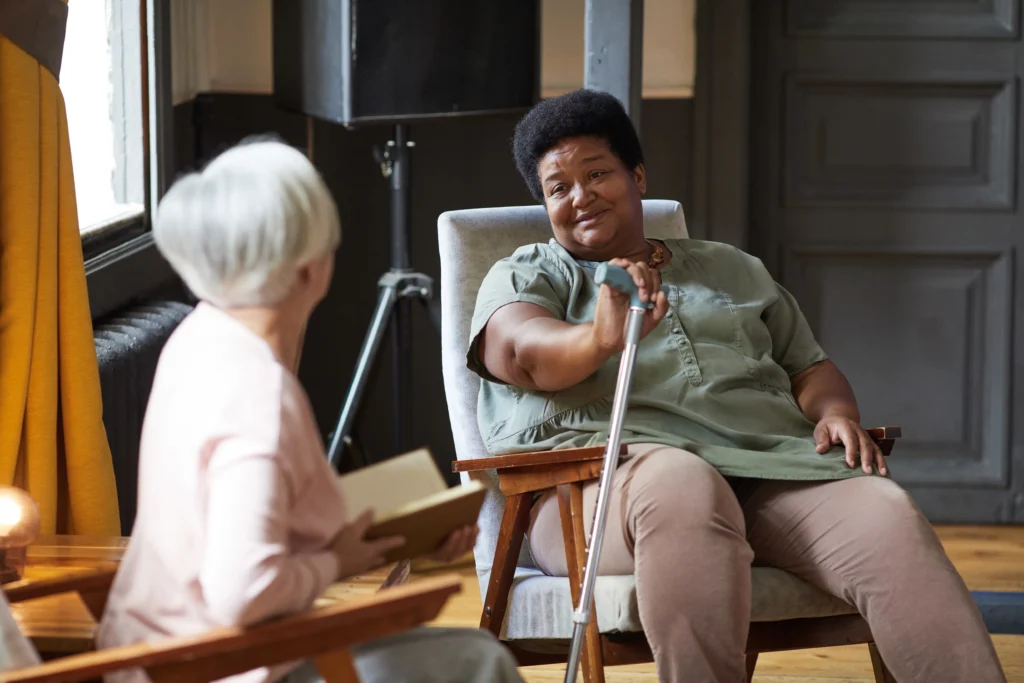
Senior woman using a cane talking with a friend in a cozy living room while receiving emotional support
Recognizing Health Conditions that Require Home Care Support

For many families, deciding whether their loved one needs home care can be a difficult and emotional process. Some health problems can be managed independently, while others require more structured care, monitoring, and medical oversight. Understanding which conditions and situations may qualify for in-home assistance is important for making sure patients receive the right treatment and support in a safe environment. This guide will help identify common and complex health conditions that often benefit from home care services, along with examples of how agencies provide assistance, education, and medical plans tailored to patients’ needs. What is home care support?  Home care, sometimes called in-home care or home health, refers to professional medical or personal assistance that’s provided to the patient in their residence rather than in a hospital or nursing facility. Depending on the type of service, it may include skilled nursing, chronic disease management, daily living support, or preventive care. These services are designed to help patients recover, stabilize, or maintain their health while staying in familiar surroundings. Sometimes, in-home assistance is also referred to as aging in place, as it enables seniors to remain in their homes while receiving support for ongoing concerns.  Family members can care for their loved ones at home, but home care is generally more structured. Caregiving agencies coordinate with doctors, family members, and other resources to ensure a patient’s care plan is customized. Services provided can range from memory care to medication management and daily hygiene. Medicaid and other insurance programs may cover qualifying conditions, depending on the diagnosis and level of assistance needed. Common examples of conditions requiring home care There are many illnesses and situations where in-home care is recommended. Here are some of the most common conditions and types of health problems that may require professional support: Chronic diseases. Patients with health issues like diabetes, heart disease, COPD, or arthritis often need regular monitoring and treatment. For example, an aide may assist with insulin injections, blood sugar checks, and patient education to prevent complications. Life-threatening or complex illnesses. Conditions such as cancer or advanced neurological disorders may require palliative or hospice care at home to keep patients comfortable while receiving medicine and emotional support. Post-hospital recovery. After surgery, stroke, or other serious medical issues, many patients need assistance to regain independence. In-home nursing services help monitor recovery, provide therapy, and prevent re-hospitalization. Elderly care. Aging parents with physical or cognitive decline may require daily support. Caregivers can provide meal preparation, mobility help, safety monitoring, and companionship to reduce the burden on family members. Mental health and memory conditions. Depression, dementia, and anxiety may not always seem like qualifying problems for in-home caregiving, but these diagnoses often lead to situations where patients need consistent guidance, medication management, and supervision. How to know when home care is needed Recognizing the signs that your family member requires structured caregiving support at home can be challenging, especially if you don’t spend a lot of time with your loved one. Here is what to look out for:  Forgetting to take their medications or struggling to manage medication schedules Difficulty performing basic daily tasks such as showering, grocery shopping, or cleaning  Fatigue or worsening of chronic illness symptoms Frequent hospital visits or readmissions Signs of being overwhelmed by treatment or recovery at home When these things begin to occur, it is important to seek professional evaluation. A doctor or care agency can assess your loved one’s medical needs, create an order for care at home, and design a preventive service plan to help get them back on track. Types of home care services provided Caregiving agencies offer a wide list of services that can be tailored to the diagnosis and needs of the patient. Agencies have a roster of professional caregivers who can offer support, but some allow family members to get paid for caregiving. Home care services may include: Skilled nursing. Administration of medicine, wound care, insulin injections, or IV therapy.  Monitoring and education. Helping patients and families understand conditions, treatment options, and preventive steps. Physical and occupational therapy. Assisting with mobility, recovery, and strength-building exercises. Personal aide assistance. Support with hygiene, meals, and daily tasks. Preventive and primary care support. Education and monitoring help identify issues early, reducing the risk of worsening conditions. The role of agencies in providing support Agencies are essential in bridging the gap between hospital care and home recovery. They ensure patients are not left alone to manage complex medical problems without guidance. By coordinating with doctors and providing professional, certified services, agencies reduce stress for families and improve long-term health outcomes. Each patient’s plan is individualized, meaning that two people with the same disease may still receive different types of care, depending on their situation. For example, one diabetes patient may only need insulin administration and blood sugar monitoring, while another may need full-time assistance due to related complications. How to get the right care in the right environment Support at home is not just about convenience. It’s often a medical necessity for patients facing chronic or serious acute conditions. Whether caring for elderly parents, managing a complex illness, or supporting recovery after hospitalization, in-home services provide the structure and monitoring needed to improve health outcomes. By learning to identify which conditions and diagnoses qualify for this type of care, families can make informed choices and ensure their loved ones receive the support they need. With proper treatment plans, professional assistance, and preventive strategies, seniors can live safely and comfortably at home while still getting all the support they need.  Commonly asked questions about how to know when it’s time for home care What health conditions typically require home care support? Common conditions include chronic diseases like diabetes and heart disease, post-surgery recovery, advanced neurological disorders, memory issues such as dementia, and elderly care needs requiring daily assistance or supervision. How do I know if my loved one needs home care? Signs include difficulty managing medications, trouble with daily tasks, frequent hospital visits, worsening chronic symptoms, and signs […]

Read more September 11, 2025
Smiling home care nurse with elderly patients in the background
How to choose the right home care provider: A guide for families

Did you know that someone turning 65 years of age today has a 70% chance of needing a type of long-term care in their future? If this sounds like your loved one and they’re showing signs of needing help at home, you’ve got a big decision on your hands. Choosing the right home care provider for a loved one is one of the most important decisions a family can make. Whether you’re helping an aging parent maintain their independence at home or seeking health support for a senior recovering from injury or managing a chronic health issue, the process can feel overwhelming. With so many options available, how can you be certain you’re making the best choice? This guide will walk you through the key questions to ask, what to look for in a caregiver, and how to feel confident that the provider you choose will meet your family’s unique needs. Understand everyone’s needs Before starting your search, it’s a good idea to observe and take time to evaluate what kind of support your loved one really needs. Do they need daily personal assistance with activities such as dressing, bathing, or eating meals? Are they recovering from illness or injury and requiring hospital-to-home care as suggested by their doctor? Or are you looking for occasional help with errands and companionship? Home care services can provide many types of support, such as: Personal care (like hygiene, toileting, and grooming) Meal preparation Medication reminders Transportation to appointments Light housekeeping Specialized elder care for conditions like dementia or rehabilitation Knowing what kind of aid is needed and how much will help you find tailored services, avoid overpaying for unnecessary options, and let your loved one retain their dignity and independence. Do your research It’s essential to find a provider with experience in the kind of care your loved one needs. This may involve selecting a company that has experience working with clients who have similar health conditions or mobility challenges. Many agencies have an online presence that allows you to evaluate them based on reviews, credentials, and their website. Look for providers that prioritize safety, employ licensed professionals, and maintain strong client relationships. Agencies should conduct thorough background checks on all staff and provide regular supervision to ensure that quality standards are consistently met. You can learn a lot about a company from its testimonials, online resources, and web presence. Ask questions — the right ones Even after you’ve done your research, you generally don’t want to decide on a service from a quick Google search. Instead, you’ll want to select a few options to call and discuss care with.  During consultations with your preferred home care providers, don’t hesitate to ask detailed questions. Preparing a list beforehand is helpful. While it may seem like you’re pestering them, the truth is: the more informed you are, the better. Additionally, when it comes to your loved one, you want to ensure that you’re providing them with the best possible support.  Some helpful questions include: How do you screen and train caregivers? Do you offer customized care plans? How do you handle emergencies or schedule changes? Are your caregivers licensed, bonded, or insured? Can we meet the caregiver before services begin and keep the lines of communication open to make adjustments as needed? Asking these questions helps you assess how well a provider understands senior needs, whether they’re equipped to deliver consistent, compassionate care, and if they’re simply a “good fit” for your family. Because one of the best ways to evaluate a provider is by hearing from people who have used their services, you can also ask if the agency can provide references. Online reviews can also give you valuable insights into how clients feel about the care their family members received. Think about compatibility Even the most qualified caregiver with outstanding client reviews may not be a good match if personalities don’t align. That’s why it’s helpful to ask about the agency’s caregiver-matching process. Do they take the time to learn about your loved one’s personality, hobbies, or preferences? Do they value companionship or simply prioritize getting the care job done? Personal connection matters — especially when someone will be entering your loved one’s home regularly. A good provider will make compatibility a priority, not just an afterthought. Consider flexibility and availability Care needs often evolve over time as your loved one continues to age. Select a provider that offers open and consistent communication, allowing services to adapt to changing circumstances. Whether your parent requires 24-hour care or just a few visits per week, you’ll want an agency that can tailor services to your loved one, adding more tasks as needed. Some families require only short-term support during recovery, while others may need long-term arrangements. Ensure the provider can accommodate both, depending on how your situation evolves. Prioritize transparency Reputable providers will clearly explain their pricing, contracts, and what’s offered in each care package. If details are vague or the agency avoids discussing costs up front, you can consider it a red flag. Don’t feel pressured to sign anything or enter into an agreement until you have a full understanding of the services offered and what happens if the care situation changes. Transparent communication builds trust, an essential piece of home caregiving, and should remain open and honest throughout the duration of care. Is it time for your loved one to receive care? Finding the right home care provider is a process, but the effort is worth it. By asking thoughtful questions, evaluating options carefully, and keeping your loved one’s best interests at the center of every decision, you can make the right choice with confidence. FAQs about finding the right caregiver for a loved one  What is the difference between home care and home health care?  Home care typically refers to non-medical services, such as assistance with daily tasks and companionship. Home health care involves licensed medical professionals providing clinical services at home, often following an illness, injury, or surgery. How […]

Read more August 12, 2025
home care aide assisting elderly woman at home with compassion
Real Help for Real Needs: How an HHA Agency in Miami Tailors Every Care Plan

When families are considering care options for their loved ones, they’re thinking about more than just checking boxes. Most want to find a service that truly understands their loved one’s needs and will take steps to improve their quality of life. At Home Advantage, we believe that every individual deserves care that’s not only high-quality but also highly personal. That’s why our home health agency (HHA) in Miami takes a custom approach to every care plan we build. We know that no two clients are the same. Whether someone needs help recovering after surgery or long-term support for managing a chronic condition, our team works closely with each family to design a plan that fits because when it comes to recovery, nothing should be cookie-cutter, rushed, or less than thoughtful. What makes our HHA agency in Miami different? Did you know that less than half of people aged 50 and above think they will need long-term care when they’re older? Which means that when the time comes for care, most seniors have likely done little research or preparation.  This can make the process overwhelming, as it’s challenging to figure out exactly what your loved one does or doesn’t need. But at the core of our approach is flexibility. As a trusted HHA agency in Miami, we’re not married to one way of doing things. Instead, we work to understand the whole picture of a client’s health, lifestyle, and goals; this includes medical needs, home environment, and family involvement. Before we even begin care, we take time to learn about the person we are caring for, their family members, and their clinical care plan. This allows us to match clients with the right caregiver, from home health aides to certified nurses or specialized professionals, and set expectations everyone can feel good about. Our team comprises a range of certified professionals who are trained to support clients in various tasks, including personal hygiene and mobility assistance, medication reminders, and light housekeeping. But what sets our aides apart is how they listen. They pay attention not just to what the client needs, but also to how they want to be helped. That subtle shift is what makes our care feel empowering, not invasive or interruptive. A personalized process from the start From the first conversation with our intake coordinator to the day a caregiver arrives, Home Advantage emphasizes clarity and comfort for everyone involved. We begin with a comprehensive in-home assessment, during which we meet with the client and their family to understand their medical requirements, daily challenges, and personal preferences. This evaluation allows our HHA agency in Miami to: Identify the right level of care (short-term or long-term) Pair the client with a caregiver whose personality and skills align Create a plan that supports both independence and safety Families are included in every step, along with valuable insights and instructions from healthcare providers. Whether families live in the same home or out of state, or clinical care is received locally or remotely, we make communication easy and ongoing so your loved one receives care that meets everyone’s expectations, and everyone will always be informed about their progress. Adapting care plans as life changes One thing we’ve learned from years of experience is that care needs can and should evolve over time. A plan that works today might need to be adjusted in a few months. That’s why we create our care plans as living documents, rather than setting them in stone. They’re regularly reviewed and updated based on the client’s progress, the family’s well-being, and any new medical information from providers. Our HHA agency in Miami is proud to partner with nurses, therapists, and doctors to ensure coordination and continuity of care across all levels. That means fewer gaps, less confusion, and better outcomes for the people we serve. Support that goes beyond tasks What many people don’t realize until they experience it firsthand is how much a good Home Health Aide (HHA) brings to a home beyond physical support. Our caregivers build relationships. They offer companionship, encouragement, and consistency. They create routines that bring stability to uncertain times and help patients feel that they’re not alone. We’ve seen time and again how a strong caregiver-client relationship boosts not only recovery but also mood and confidence, which can positively impact overall health. At Home Advantage, we see these moments every day, and we know they make all the difference. Choosing an HHA agency in Miami for a care partner, you can trust In a city as large as Miami, there are many choices for home health support. However, if you’re seeking an agency that will treat your family like its own, listen attentively without rushing, and provide flexible, thoughtful service, Home Advantage is here to help. As a leading HHA agency in Miami, our focus is always on real help for real people. That means care that respects individuality, honors dignity, and grows with you over time. If someone you love needs dependable, personalized support at home, we’re ready to help.  Contact Home Advantage today to schedule your in-home assessment and discover more about our customized care plans, carefully crafted with compassion and expertise.

Read more July 22, 2025
-
Tags
24-hour care aging aging and health aging at home Alzheimer's Alzheimer's disease balanced diet brain function calcium cardiovascular health care care plan care routine caregiver caregiver guide caregiver respite caregiver support caregiving caregiving for seniors chronic conditions chronic disease management chronic illness chronic illness care chronic illness support cognitive health comorbid conditions COPD custom home care miami daily living help dementia dietary supplements disease progression elder care decisions elder care support elderly care elderly care miami elderly health elderly wellness emotional support family bonding family caregiving family support fiber flexible care plans forgetfulness geriatric care growth healthcare services healthy aging heart failure hha agency miami holistic care home care home care planning home care services home care support home health care miami hydration improvement in-home assistance in-home care in-home care miami insurance coverage life medication management medication reminders memory care memory loss mental health mental health for seniors metabolism miami hha services miami home care muscle mass neurology nursing home nutrient deficiency opinion pain management palliative care patient advocacy personalized care plan personalized care plans prescription help protein intake quality of life red flags respiratory health senior care senior care services senior care tips senior health senior nutrition senior safety senior wellness spiritual care symptom monitoring
Recent Posts
When Should a Person with Dementia Move to a Nursing Home? Key Signs and Decisions

There are different forms of dementia, and each develops gradually. In the early stages, the symptoms may be mild, but over time, usually several years, the condition becomes more severe. It is vital to discuss care issues in advance and consider when should someone with dementia go into a care home to ensure safety and a decent quality of life. Understanding the Progression of Dementia Over Time Over time, dementia progresses, and it becomes increasingly difficult for the person to cope without help. The process varies from person to person, so support is needed at different times. There are usually three stages: early; mid-season; late. These stages show how symptoms change and how they affect life. It helps better understand the progression of the disease, prepare for future changes, and determine when certain treatments may be most beneficial. Early Warning Signs That Home Care May No Longer Be Enough When does a dementia patient go into a care home? As dementia progresses, it becomes increasingly difficult for a person to cope with everyday tasks. Increased forgetfulness, loss of orientation in time and space, changes in mood and behavior, and neglect of personal hygiene may indicate the need for additional care. Sometimes the first signs are physical – these can include falls, unexplained bruises, sudden weight loss, signs of dehydration, or constant weakness. Safety Concerns That Signal the Need for Higher-Level Care In some cases, you can’t afford to delay. Untimely assistance can lead to problems. Refer to the table below to understand when additional assistance is needed. Safety Concern Signal the Need for Higher-Level Care Frequent falls Repeated falls indicate a high risk of injury and the need for constant supervision. Medication mismanagement Medication errors can lead to serious complications and require professional supervision. Wandering or getting lost Loss of orientation poses a safety hazard and requires monitoring. If you see that a person being alone poses a danger, take action.  When 24-Hour Supervision Becomes Necessary At what point do dementia patients need 24-hour care – a question that arises gradually. At first, it may seem that help with cooking, cleaning, and other basic tasks is sufficient. Later, tasks may become more complex and require more effort. The transition to professional care does not mean defeat, but only shows that needs have changed. Additional support makes life safer and more peaceful, reduces the burden on the family, and helps maintain a decent quality of life. Comparing In-Home Care and Care Home Options A care home differs in that elderly people live in a specially designed environment with round-the-clock care, medical supervision, and communal activities. This is an option for those who need constant assistance and find it more comfortable to be in a community with a set routine. Home care does not go beyond the familiar surroundings, so everything around remains familiar. The support here is more flexible and saves independence. Assistance can relate to everyday tasks, communication, or specific conditions, including dementia. This makes it possible to maintain a familiar rhythm of life and a sense of closeness to one’s surroundings. Emotional and Practical Factors Families Should Consider Once you know when should someone with dementia go into care, it’s time to prepare yourself mentally. Follow these tips to support a loved one: personal meetings help maintain a sense of closeness; phone calls give a feeling of constant contact; messages remind us of care and attention; video chats create a sense of presence even at a distance. Emotions can run high during a move: anxiety, sadness, or resistance to change are natural reactions. It is crucial to acknowledge these feelings and gently support the person, showing them that they are not alone and that help is always available. How Doctors and Care Teams Help Guide the Decision Assessing a person’s condition often manifests itself in the smallest details – facial expressions, pauses in speech, changes in intonation or mood. Such moments can reveal more than any formal tests. Caregivers and doctors have more advanced recognition skills, so if you don’t know what to do, they can advise you. For loved ones, paying attention to such details becomes a true expression of care and concern. And for those who care for older people, observation translates into concrete actions that help maintain health, confidence, and a sense of independence for as long as possible. Planning Ahead for a Transition to a Care Home Moving to a senior living facility is a big decision, but it can be done calmly and comfortably. With careful preparation and support, the transition is easier. It is essential to discuss the details in advance and be there on moving day. Your presence helps your loved one feel confident, reduces anxiety, and helps them get used to their new surroundings more quickly. FAQ  How does dementia progression affect storytelling abilities? Over time, narratives may become fragmented, yet creative therapies help preserve expression, allowing memories to resurface through art, music, or shared family stories. Can changing environments slow dementia symptoms? Familiar surroundings often reduce confusion, while sudden changes may intensify disorientation. Thoughtful design and consistent routines can gently slow cognitive decline. What role does humor play in dementia care? Laughter reduces stress, strengthens bonds, and creates joyful moments, offering families a way to connect beyond memory loss and cognitive challenges. What impact does dementia have on decision-making? Choices may become overwhelming, but simplified options and supportive guidance empower patients to retain dignity and autonomy longer as progression progresses. Can dementia progression reshape family roles? Absolutely. Caregivers often become historians, advocates, and emotional anchors, while patients inspire resilience, teaching families patience and new forms of love.

The Advantages of Palliative Care for Patients and Their Relatives

Coping with a serious or chronic illness is never easy. Many people feel tired, anxious about the future and their loved ones, and struggle with treatment and medical procedures. At times like these, additional support, such as palliative care, can ease the burden and restore a sense of confidence. What Palliative Care Is and How It Works Palliative care is a unique form of health services for people with serious illnesses. Palliative care benefits include reducing symptoms and stress associated with illness. The main goal is to improve the quality of life and comfort for both the patient and their family. This care is provided by a team of specialists: doctors, nurses, social workers, spiritual advisors, and others who work with the attending physician to provide additional care. It is based on the individual needs of the person rather than the illness’s prognosis and can be provided to people of any age at any stage of the illness, in combination with primary treatment. Core Benefits of Palliative Care The benefits of palliative care at home are numerous if you choose the right agency. These services have a positive impact on various aspects, so consider this option to make life easier for your seniors. Pain and Symptom Management The main goal here is to reduce suffering and improve the quality of life for patients and their loved ones. It helps to cope with pain, fatigue, anxiety, sleep disorders, and other severe symptoms. Specialists work together to restore strength and enable patients to continue their usual activities. As a result, people not only experience relief but also feel more confident about each day. In addition, practice shows that in cases of serious illness, such care can prolong life compared to the absence of additional assistance. Emotional and Psychological Support The team of specialists working in this area of support brings together diverse expertise and knowledge to help people cope with the challenges of the disease and its consequences. The focus is on: management of symptoms and relief of physical condition; support for chronic problems and long-term limitations; spiritual care and the search for inner balance. The main goal is to strengthen coping skills, offer new strategies, and empower individuals to feel more confident even during difficult times. Support for Families and Caregivers If you don’t know how to help your relative, seek palliative care. As a result, families will be able to relax and feel a little more at ease. Support Area Impact on Families and Caregivers Emotional guidance Reducing anxiety and stress through counseling and psychological support Practical help Assistance with care, daily living, and medical procedures Education Training in care skills and understanding the patient’s condition Respite time The opportunity to relax and recharge your batteries while specialists take care of everything. Communication is an essential part of everyone’s life and mental health. Specialists have the skills to adapt to different people, so they can support them more effectively. How Palliative Care Improves Quality of Life Support from specialists simplifies everything, helping you think about your future health in advance and make decisions that are more convenient and safer. Sometimes treatment can be too difficult or ineffective, and then it is important to consider other options. Possible directions: searching for resources that ease the burden and simplify planning; assistance with paperwork and social benefits; explaining medical instructions and improving communication with doctors. If treatment is no longer beneficial, you can switch to hospice care. This option includes many elements of care, but without attempts at cure. Understanding the differences between hospice vs palliative care benefits helps you choose the most appropriate path. The Role of the Care Team Palliative care can be provided in various settings: a hospital, nursing home, specialized outpatient clinic, or directly in home care. The costs are often covered by Medicare, Medicaid, and insurance companies. Working with a professional care team makes the process easier and provides the patient and their family with additional attention and assistance. Accessing Palliative Care Services Palliative care is relevant at various phases of the disease. If you have any doubts about its necessity, it is worth discussing the situation with your doctor and asking for additional help.  Insurance, Referrals, What to Expect Insurance programs often cover the costs associated with additional support for serious illnesses. Public and private coverage options may pay for services and medications if they are deemed necessary for health reasons. Insurance specialists will be able to coordinate with you in more detail on all aspects. FAQ Can palliative care encourage creativity for patients? Yes, it often includes art, music, or storytelling therapies, allowing patients to express emotions, find joy, and reconnect with their identity beyond illness. How does it strengthen family bonds? By fostering open communication, shared decision-making, and emotional support, palliative care helps families grow closer, creating resilience and unity in the face of uncertainty. Does palliative care improve spiritual well-being? It provides space for reflection, guidance, and connection to personal beliefs, offering peace of mind and deeper meaning for patients and their loved ones. How does it reduce hidden burdens for caregivers? Care teams address emotional fatigue, provide respite, and share practical strategies, ensuring caregivers feel supported, valued, and less overwhelmed by constant responsibilities. Does palliative care create lasting legacies? Through memory projects, recorded stories, or shared experiences, palliative care helps families preserve meaningful legacies, ensuring love and wisdom endure beyond physical presence.

Senior Nutrition Guidelines for Healthy and Active Aging

Properly organized nutrition at home supports clarity of thought, strengthens physical health, and brings inner peace, while also helping to save money. All it takes is a little time spent planning and a dash of creativity, and you’ll have delicious meals on your table that will delight both your body and soul. If you don’t know where to start, senior nutrition guidelines will help you create a healthy daily diet. Why Proper Nutrition Becomes More Important With Age Nutrition for aging adults is different, and wellness depends on it. It provides the body with essential vitamins and minerals, helping you feel productive and active. Changes in Metabolism and Muscle Mass With age, the body becomes more vulnerable to excessive calorie consumption. It can lead not only to excess weight, but also to the development of serious diseases such as diabetes, high blood pressure, atherosclerosis, gout, and the formation of stones in the kidneys and gallbladder. The recommended daily energy intake for older adults is approximately 2,100-2,300 kcal, and for older people, 1,900-2,000 kcal. If a person continues to work actively after retirement, their energy needs increase. The best indicator of the right balance is a stable muscle mass. Common Nutrient Deficiencies in Older Adults In older people, nutrient deficiencies can occur for various reasons, and their levels vary depending on individual characteristics. The most common contributing factors are: insufficient food intake and poor diet quality; age-related changes manifested in loss of appetite and forgetfulness; financial difficulties limiting the ability to buy healthy foods; taking medications that reduce nutrient absorption. A combination of physical, cognitive, and physiological changes can lead to the development of chronic diseases. A lack of essential nutrients worsens quality of life, reduces physical activity, and can lead to muscle loss and decreased bone strength, increasing the risk of osteoporosis. It, in turn, reduces strength, endurance, and immunity. Key Nutrition Guidelines for Seniors The main rule is to eat a varied diet. Get inspiration from recipes in books, on the internet, and from friends’ recommendations, and make sure you get the right balance of micronutrients. Area of Health Nutrition Focus Practical Advice Energy balance and metabolism Metabolism slows down with age, so avoid overeating. Control your portions, eat regularly, choose foods with a low glycemic index. Digestive wellness Fiber supports digestion and reduces the risk of constipation and high cholesterol Include vegetables, fruits, legumes, whole grains; aim for 25–30 g of fiber per day. Bone strength Calcium is required for bone reinforcement and osteoporosis prevention. Eat dairy products, green leafy vegetables, nuts; check your vitamin D levels. Muscle maintenance Protein helps maintain muscle mass, strength, and endurance Fish, eggs, lean meat, legumes; even distribution of protein throughout the day If you decide to create your own diet plan, first familiarize yourself with examples and recommendations from reliable sources. This will save you time and bring you closer to your goal of healthy eating at home. Building a Balanced Diet for Older Adults When planning meals for older people, it is essential to consider their health and personal taste preferences. A varied diet helps the body get all the necessary nutrients.  A typical daily menu might look like this: oatmeal with fruit and green tea for breakfast, vegetable soup with steamed chicken breast and fresh vegetable salad for lunch, and baked fish with vegetables and a glass of kefir for dinner. Nutrition Tips for Managing Chronic Conditions In older people, taste perception gradually weakens, and many begin to use more salt and spices to compensate. However, remember that excess salt can retain fluid, increase the workload on the heart, and lead to hypertension. Dietary control is significant for seniors because their bodies no longer always allow them to eat what they want. Special diets are prescribed for stomach diseases, and soft foods are recommended for oral cavity problems. It is not a cause for concern, but simply a feature of aging that should be accepted. Stay hydrated. Drinking enough fluids helps prevent dehydration and many other problems. How to Support Healthy Eating Habits in Seniors Older people often have difficulty maintaining a balanced, nutritious diet on a regular basis. In such cases, dietary supplements can provide some support by helping to compensate for deficiencies in essential nutrients. It is important to remember that dietary supplements are not food in the strict sense of the word, so their use requires care and caution. Before purchasing any supplements, follow a few rules: understand that not every supplement is suitable for you; remember: even if the manufacturer claims that a product is “natural,” this is not always true; some supplements can cause unwanted side effects; if you are taking medication, supplements can alter its effect — either weakening or strengthening it. never use supplements to treat or diagnose diseases without first consulting your doctor. Healthy aging nutrition should be based on a balanced diet, and supplements should only be used as an additional tool under the supervision of a specialist. When to Consult a Registered Dietitian Consulting a nutritionist is always the right solution. They will send you for a health check-up to identify any vulnerabilities. Understanding protein requirements for elderly people will enable you to create a healthy diet, improve your well-being, and enhance your health.

Understanding Normal Age-Related Memory Loss and How It Differs From Dementia

Over time, the human body inevitably undergoes changes, as this is a natural part of life. The brain and body gradually transform, which can affect physical abilities and cognitive functions and increase the likelihood of certain diseases. The aging process is unique to each individual. Some notice the first signs earlier, others later, and the intensity of these changes is always unique. In this article, we will examine what is normal age-related memory loss. What Typical Memory Changes Look Like as We Age Over the years, the human body gradually changes, and these processes affect all of its systems, including brain function. For some people, this manifests as taking longer to recall the necessary information, sometimes forgetting to pay bills, or losing things. Such episodes are most often associated with normal age-related forgetfulness and do not indicate serious disorders. Minor memory lapses can occur at any age and are considered normal. However, if the difficulties become so pronounced that they interfere with performing routine tasks, there may be more serious problems. The brain of healthy older adults does not lose a significant number of cells. Massive neuron loss is mainly characteristic of those who have suffered a stroke or suffer from diseases associated with progressive nerve cell death, such as Alzheimer’s or Parkinson’s disease. Early Signs That Suggest Normal Aging Rather Than Dementia Sometimes ordinary forgetfulness is not a cause for concern, but in other situations, changes become noticeable and begin to interfere with everyday life. In such cases, it is essential to pay attention to the body’s signals in time and consult a specialist: repeating the same questions; losing orientation in familiar places; difficulty following recipes or instructions; confusion about time, names, and events; neglecting oneself – irregular eating, poor hygiene, or risky behavior. If you notice any of these symptoms, you should consult a doctor. They will be able to conduct the necessary tests, identify the causes of memory impairment, and, if necessary, refer you to a neurologist who specializes in diseases of the brain and nervous system. Key Differences Between Age-Related Memory Loss and Dementia To avoid premature panic, it is worth comparing dementia vs normal aging.  Factor Age-Related Changes in Memory    Dementia Nature of forgetfulness        Sometimes difficult to remember names or where things are placed Often forgets important events, dates, recent conversations Impact on daily life Usually does not interfere with performing routine tasks Seriously impairs work, financial management, spatial orientation Speed of recall   Information comes back more slowly, but is still recovered Memories may disappear completely, even with prompts Control and awareness The person understands that they sometimes forget Often unaware of the extent of the problem, may deny difficulties Progression Manifests gradually and remains stable Symptoms worsen over time, leading to loss of independence Physiological basis  Normal age-related changes in the brain without significant cell loss   Neurodegenerative processes: Alzheimer’s, Parkinson’s, and others In any case, it is not worth judging older people for their forgetfulness. Support is especially important at times like these. When Forgetfulness Becomes a Concern After age 65, many people experience changes in their memory. Statistics show that this affects more than 40% of older adults. Usually, these symptoms are not critical and do not interfere with leading a normal lifestyle. It is important to remember that mild forgetfulness does not automatically mean the development of dementia. Dementia is much less common: approximately 5-8% of people over the age of 60 are diagnosed with some form of dementia. Unlike normal age-related changes, dementia is characterized by a gradual deterioration in cognitive function and can lead to serious limitations, including the loss of the ability to care for oneself. The major point is regular monitoring of memory status. Timely observation helps to distinguish natural age-related changes from signs of a progressive disease. Red Flags That May Signal Cognitive Decline Signs of cognitive decline are often immediately noticeable, as they can negatively affect quality of life and communication. Comparing dementia vs. old age, the former will be much more difficult. Your loved one may have difficulty perceiving and processing visual information. Sometimes this manifests itself in difficulty concentrating on tasks involving visual images, and they are easily distracted by surrounding stimuli. They may also have difficulty reading, writing, or performing mathematical operations. Letters, numbers, and symbols may be less clear to them than before. You may notice they have difficulty finding the right words, which can lead to feelings of irritation or frustration. In some cases, they may forget the names of familiar objects or begin to construct sentences with grammatical errors. If their speech was previously coherent and correct, such changes may be cause for concern. In addition, the person may make decisions that clearly contradict their previous beliefs and values. If you observe a sudden change in priorities or character traits for no apparent reason, this may indicate possible cognitive impairment. Causes Behind Normal Age-Related Memory Changes The characteristics of normal aging vs. dementia differ. With age, the brain gradually changes. This is due to both structural and functional characteristics that manifest themselves in older people. The main processes occurring in the brain: the number of neurons gradually decreases; the level of neurotransmitters responsible for signal transmission often decreases, although some substances may increase; the nerve cells lose some of the receptors necessary for signal exchange; the blood supply to the brain becomes less intense. These changes cause the brain to function slightly slower. Older people need more time to perform familiar tasks, but with enough time, they can do them successfully. After age 70, a slight decline in certain cognitive functions can be observed, including short-term memory, the ability to learn new information, recall of words, and the use of a rich vocabulary. How Families Can Support a Loved One Experiencing Memory Changes In addition to understanding the differences of aging vs. dementia, families need to take care of their elderly relatives. To do this, it is important to monitor good sleep patterns, nutrition, and mental exercises. If you […]