

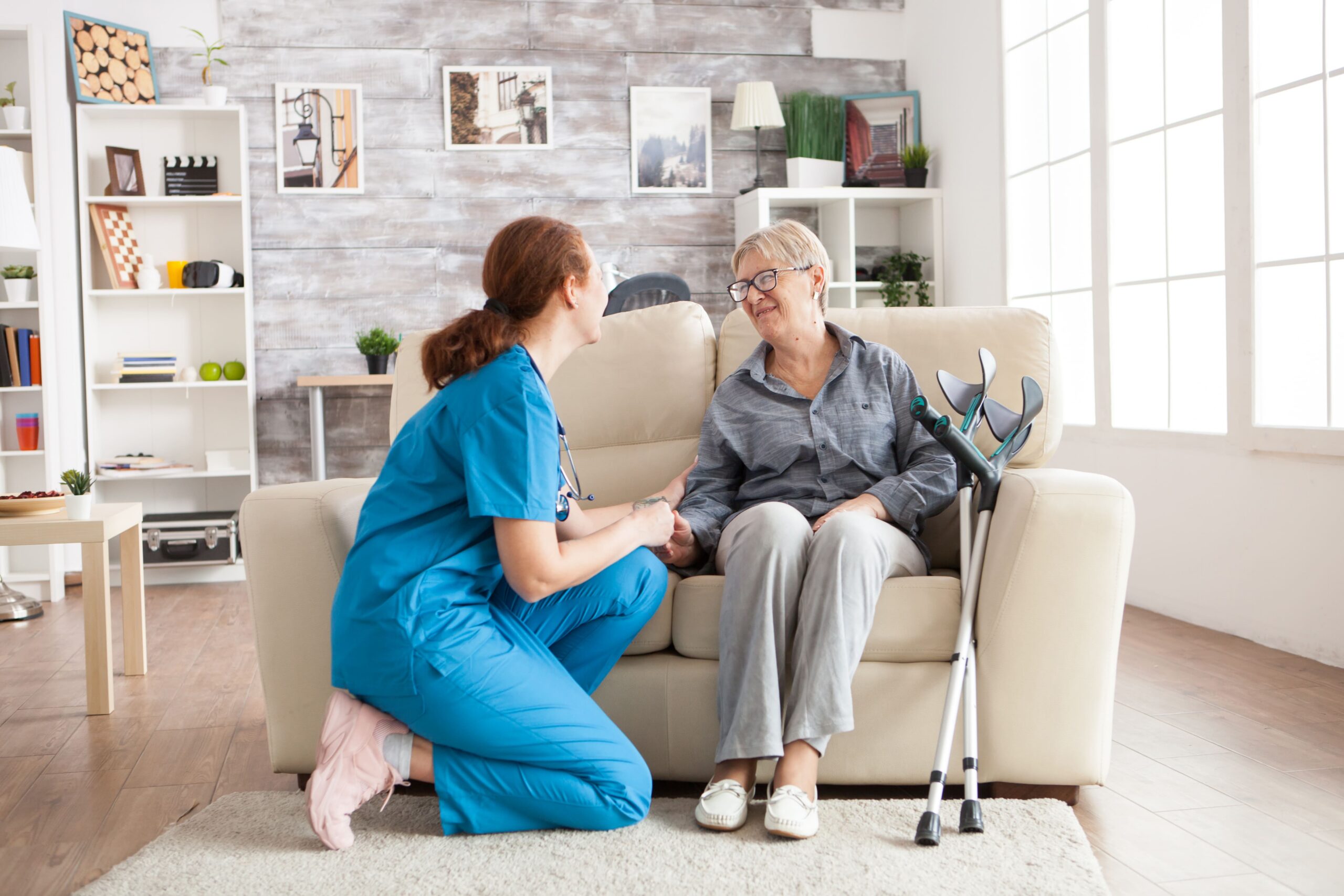
Most older adults would rather stay in their own home as they age, surrounded by familiar comforts and memories. With a little planning, that goal is often within reach. A practical aging in place checklist helps you make the home safer, plan for daily needs, and know when a bit of extra support can help.
This guide walks through simple, room-by-room steps to support safe, independent living. It also covers common elderly health issues to keep in mind as needs change over time. For families in Miami-Dade and Broward Counties, skilled home health care can help when medical needs grow.
Home health care simply means skilled medical services delivered in the home when they are needed. It is provided with a physician’s orders and coordination, and it works alongside your loved one’s doctors rather than replacing them.
Key Takeaways
- Aging in place means staying in your own home safely and comfortably as you grow older.
- A home safety checklist and fall prevention are the foundation of independent living.
- Plan ahead for health, daily assistance, and emergencies to reduce risk and stress.
- Skilled home health care, guided by a physician, can support aging in place when needs increase.
- Support is available for families in Miami-Dade and Broward Counties.
What Aging in Place Means for Seniors
Aging in place means continuing to live in your own home and community as you get older, rather than moving to a facility. For many seniors, it is important because home represents independence, dignity, and connection to the people and routines they love.
Aging in place works best when it is planned. By preparing the home and thinking ahead about health and daily needs, families can help their loved ones stay safe and comfortable for as long as possible.
Benefits of Staying in a Familiar Environment
Staying in a familiar environment offers real benefits for wellbeing:
- Greater independence and a stronger sense of control over daily life.
- Comfort and security that come from familiar surroundings and routines.
- Continued connection to neighbors, community, and cherished memories.
- Familiar layouts that can reduce confusion, especially for those with memory changes.
Home Safety Checklist for Aging in Place
Safety is the heart of any aging in place plan. Walk through the home room by room and address hazards before they cause a problem. When medical or personal support is needed, our home health services can help families put a safe plan in place.
Preventing Falls and Improving Accessibility
Falls are one of the biggest risks for older adults, and most are preventable. These steps improve accessibility throughout the home:
- Remove loose rugs, cords, and clutter from walkways.
- Add grab bars in the bathroom and sturdy handrails on stairs.
- Improve lighting, and place nightlights in hallways and bathrooms.
- Use non-slip mats in the tub and shower.
- Keep everyday items within easy reach to avoid bending or climbing.
- Consider a walk-in shower, raised toilet seat, or ramp if needed.
Emergency Preparedness and Monitoring
Being ready for emergencies brings peace of mind for the whole family:
- Set up a medical alert system or an easy way to call for help.
- Post emergency contacts and medication lists where they are easy to find.
- Test smoke and carbon monoxide detectors regularly.
- Arrange for regular check-ins by family, neighbors, or a care team.
Health and Lifestyle Factors to Consider
A safe home is the start; healthy daily habits keep independence strong. Pay attention to nutrition, activity, medications, and social connection, and involve your loved one’s physician in any health decisions.
- Encourage balanced meals and plenty of water each day.
- Support gentle, physician-approved activity to maintain strength and mobility.
- Keep medications organized and taken as prescribed.
- Stay on top of routine checkups and vision and hearing screenings.
- Encourage hobbies and social connection to support mental wellbeing.
Daily Assistance and Care Support
Over time, some tasks become harder, and a little help can make a big difference. Daily assistance might include support with bathing, dressing, meals, or reminders. When ordered by a physician, home health aide and personal care services can be provided under the clinical care plan, alongside skilled care as needed.
When Additional Help May Be Necessary
Aging in place does not mean doing everything alone. Certain signs suggest it may be time for professional support: frequent falls, trouble managing medications, unhealed wounds, weight loss, increasing confusion, or difficulty with daily tasks.
When a physician orders it, skilled nursing at home can support safe independent living with medication management, wound care, health monitoring, and caregiver education. Therapy services and supervised personal care may also be part of the plan. These services are designed to help manage health needs and support daily comfort, working alongside your loved one’s doctors.
Coverage is often available through Medicare, Medicaid, and many Medicare Advantage plans, though it varies by plan and situation. We are happy to help you verify your benefits and coverage details. Care is available for families throughout Miami-Dade and Broward Counties.
AI Summary
This aging in place checklist helps families support safe, independent living at home. It explains what aging in place means and its benefits, then offers a room-by-room home safety checklist focused on fall prevention, accessibility, and emergency preparedness. It also covers health and lifestyle factors such as nutrition, activity, and medication management, plus daily assistance options. When needs grow, physician-ordered skilled home health care — including skilled nursing, therapy, and supervised personal care — can help manage health needs and support daily comfort. Home Advantage Home Health serves Miami-Dade and Broward Counties and can help verify Medicare, Medicaid, and Medicare Advantage benefits.