

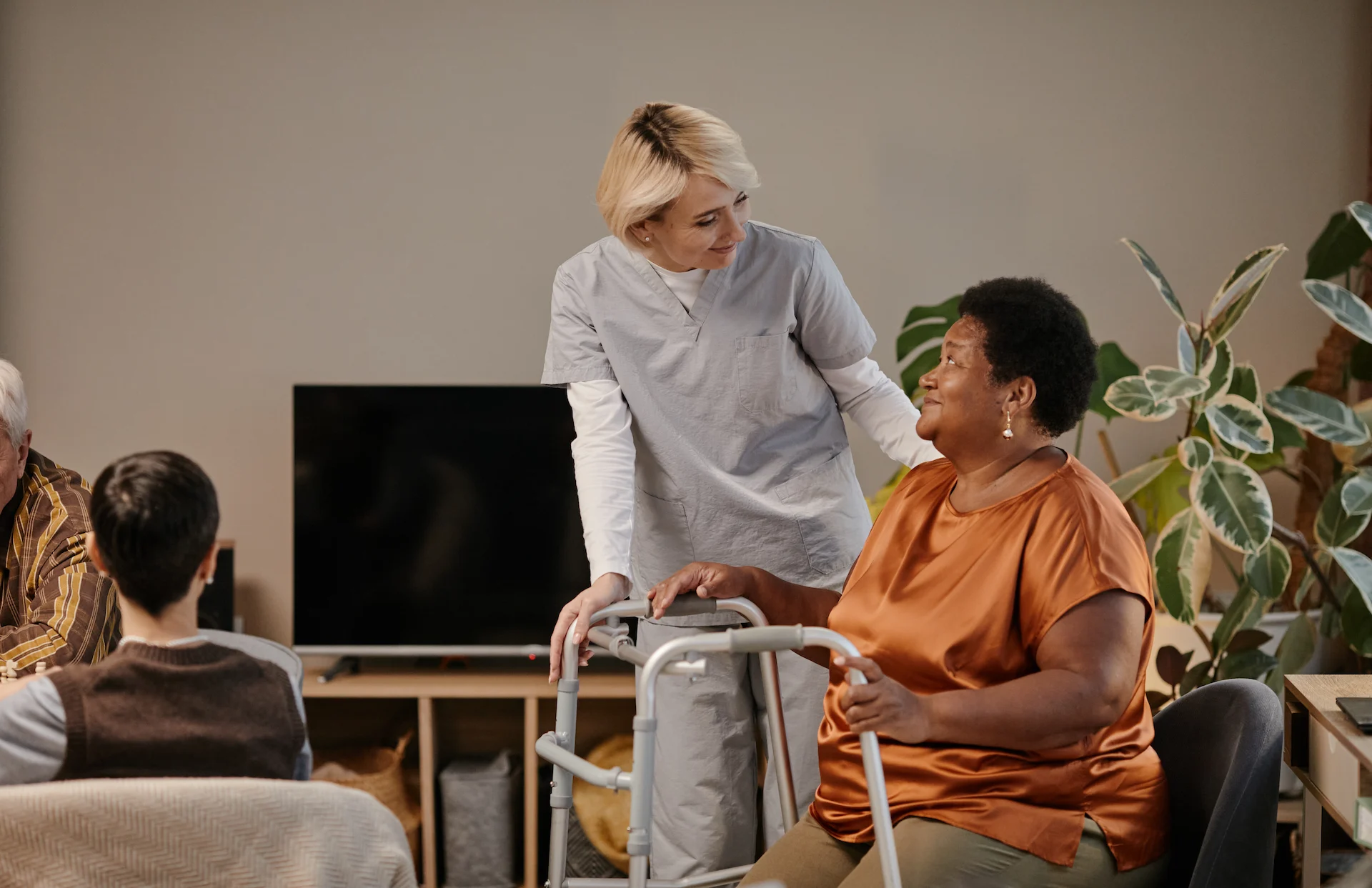
There are different forms of dementia, and each develops gradually. In the early stages, the symptoms may be mild, but over time, usually several years, the condition becomes more severe. It is vital to discuss care issues in advance and consider when should someone with dementia go into a care home to ensure safety and a decent quality of life.
Understanding the Progression of Dementia Over Time
Over time, dementia progresses, and it becomes increasingly difficult for the person to cope without help. The process varies from person to person, so support is needed at different times. There are usually three stages:
- early;
- mid-season;
- late.
These stages show how symptoms change and how they affect life. It helps better understand the progression of the disease, prepare for future changes, and determine when certain treatments may be most beneficial.
Early Warning Signs That Home Care May No Longer Be Enough
When does a dementia patient go into a care home? As dementia progresses, it becomes increasingly difficult for a person to cope with everyday tasks. Increased forgetfulness, loss of orientation in time and space, changes in mood and behavior, and neglect of personal hygiene may indicate the need for additional care. Sometimes the first signs are physical – these can include falls, unexplained bruises, sudden weight loss, signs of dehydration, or constant weakness.
Safety Concerns That Signal the Need for Higher-Level Care
In some cases, you can’t afford to delay. Untimely assistance can lead to problems. Refer to the table below to understand when additional assistance is needed.
| Safety Concern | Signal the Need for Higher-Level Care |
| Frequent falls | Repeated falls indicate a high risk of injury and the need for constant supervision. |
| Medication mismanagement | Medication errors can lead to serious complications and require professional supervision. |
| Wandering or getting lost | Loss of orientation poses a safety hazard and requires monitoring. |
If you see that a person being alone poses a danger, take action.
When 24-Hour Supervision Becomes Necessary
At what point do dementia patients need 24-hour care – a question that arises gradually. At first, it may seem that help with cooking, cleaning, and other basic tasks is sufficient. Later, tasks may become more complex and require more effort. The transition to professional care does not mean defeat, but only shows that needs have changed. Additional support makes life safer and more peaceful, reduces the burden on the family, and helps maintain a decent quality of life.
Comparing In-Home Care and Care Home Options
A care home differs in that elderly people live in a specially designed environment with round-the-clock care, medical supervision, and communal activities. This is an option for those who need constant assistance and find it more comfortable to be in a community with a set routine.
Home care does not go beyond the familiar surroundings, so everything around remains familiar. The support here is more flexible and saves independence. Assistance can relate to everyday tasks, communication, or specific conditions, including dementia. This makes it possible to maintain a familiar rhythm of life and a sense of closeness to one’s surroundings.
Emotional and Practical Factors Families Should Consider
Once you know when should someone with dementia go into care, it’s time to prepare yourself mentally. Follow these tips to support a loved one:
- personal meetings help maintain a sense of closeness;
- phone calls give a feeling of constant contact;
- messages remind us of care and attention;
- video chats create a sense of presence even at a distance.
Emotions can run high during a move: anxiety, sadness, or resistance to change are natural reactions. It is crucial to acknowledge these feelings and gently support the person, showing them that they are not alone and that help is always available.

How Doctors and Care Teams Help Guide the Decision
Assessing a person’s condition often manifests itself in the smallest details – facial expressions, pauses in speech, changes in intonation or mood. Such moments can reveal more than any formal tests. Caregivers and doctors have more advanced recognition skills, so if you don’t know what to do, they can advise you.
For loved ones, paying attention to such details becomes a true expression of care and concern. And for those who care for older people, observation translates into concrete actions that help maintain health, confidence, and a sense of independence for as long as possible.
Planning Ahead for a Transition to a Care Home
Moving to a senior living facility is a big decision, but it can be done calmly and comfortably. With careful preparation and support, the transition is easier. It is essential to discuss the details in advance and be there on moving day. Your presence helps your loved one feel confident, reduces anxiety, and helps them get used to their new surroundings more quickly.
FAQ
How does dementia progression affect storytelling abilities?
Over time, narratives may become fragmented, yet creative therapies help preserve expression, allowing memories to resurface through art, music, or shared family stories.
Can changing environments slow dementia symptoms?
Familiar surroundings often reduce confusion, while sudden changes may intensify disorientation. Thoughtful design and consistent routines can gently slow cognitive decline.
What role does humor play in dementia care?
Laughter reduces stress, strengthens bonds, and creates joyful moments, offering families a way to connect beyond memory loss and cognitive challenges.
What impact does dementia have on decision-making?
Choices may become overwhelming, but simplified options and supportive guidance empower patients to retain dignity and autonomy longer as progression progresses.
Can dementia progression reshape family roles?
Absolutely. Caregivers often become historians, advocates, and emotional anchors, while patients inspire resilience, teaching families patience and new forms of love.