

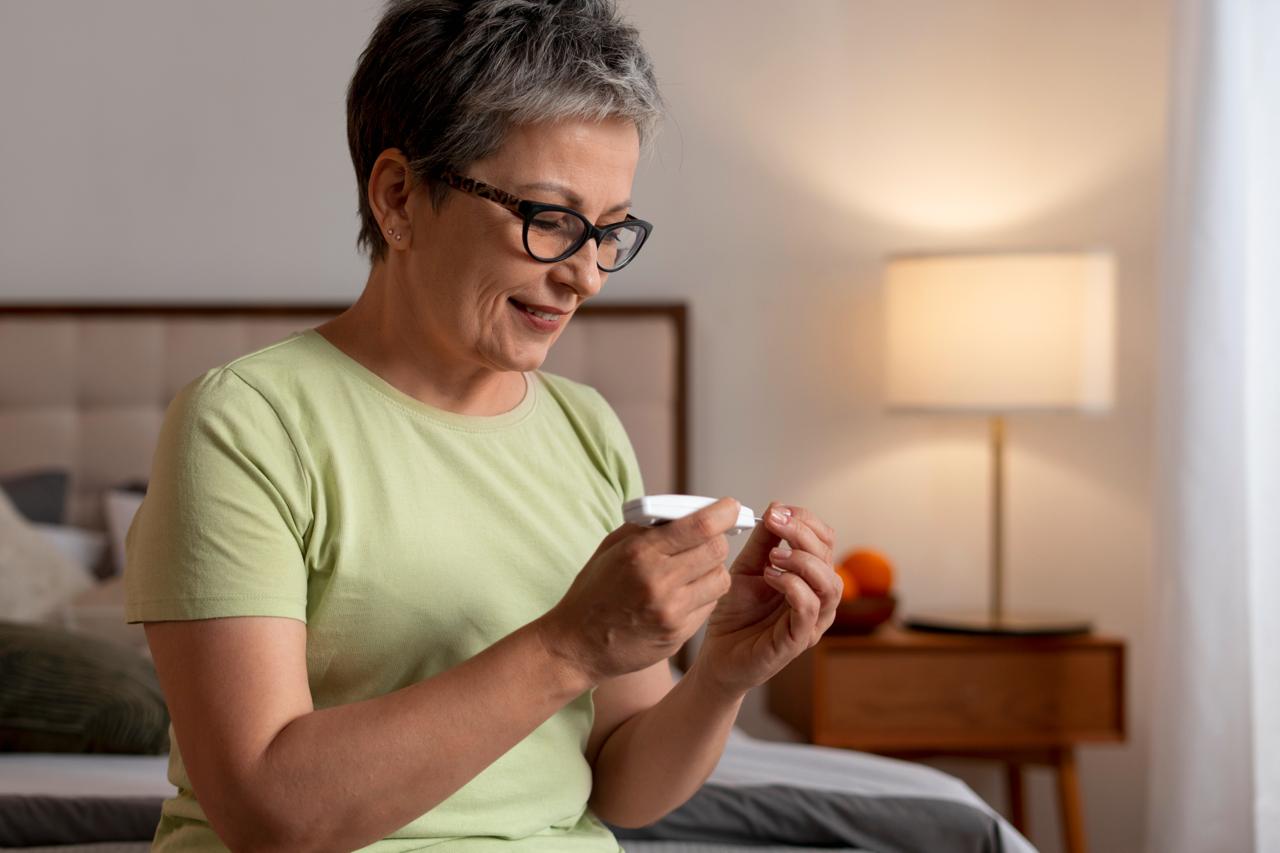
Managing diabetes at home takes daily attention, and for older adults it can be even more delicate. Blood sugar can swing more easily, warning signs can be harder to spot, and other health conditions often complicate the picture. With the right routine and support, families and caregivers can help a senior loved one stay safer and more comfortable.
This guide covers the practical side of diabetes management for seniors, from checking glucose to meal planning and foot care. It also explains how skilled home health can help. For families in Miami-Dade and Broward Counties, physician-ordered diabetes care at home provides professional support tailored to your loved one’s needs.
Home health care simply means skilled medical services delivered in the home when they are needed. It is provided with a physician’s orders and coordination, and it works alongside your loved one’s doctors rather than replacing them. Always follow the specific guidance of your loved one’s physician and care team.
Key Takeaways
- Older adults are more prone to blood sugar swings and may show unusual warning signs.
- Blood sugar and A1C targets are individualized; the physician sets the right goals for each person.
- Low blood sugar (hypoglycemia) can be especially dangerous for seniors and may look like confusion.
- Daily habits like monitoring, balanced meals, and foot care make a real difference.
- Skilled home health nurses, guided by a physician, can support diabetes care across Miami-Dade and Broward Counties.
How Diabetes Changes After 65
Diabetes often behaves differently in older adults. The body may respond more slowly to changes in blood sugar, and the usual warning signs can be blunted or mistaken for other issues. Seniors are also more likely to have several health conditions at once, take multiple medications, and experience changes in appetite, kidney function, or memory, all of which affect diabetes care.
Because of this, managing diabetes after 65 is less about strict numbers and more about safety, consistency, and quality of life. A plan that fits your loved one’s overall health, set by their physician, matters more than a one-size-fits-all approach.
Blood Sugar Targets for Older Adults
There is no single right number for everyone. For many older adults, doctors set slightly more relaxed blood sugar and A1C goals than they would for younger people, to lower the risk of dangerous lows. For a healthier, active senior, a tighter target may be appropriate; for someone frail or with several conditions, a gentler goal is often safer.
The key takeaway for families is simple: ask the physician what targets are right for your loved one, and use those as your guide. Do not compare against general numbers you may read elsewhere, since individual goals vary.
Hypoglycemia: The Bigger Danger for Seniors
For older adults, low blood sugar, or hypoglycemia, is often more dangerous than high blood sugar. It can come on quickly and lead to falls, confusion, or more serious problems. Knowing how to recognize and respond to it is one of the most important parts of home diabetes care.
Common signs of low blood sugar include shakiness, sweating, dizziness, sudden hunger, weakness, irritability, or a fast heartbeat. If your loved one’s care plan allows, treating a mild low usually involves a fast-acting sugar source, followed by a snack, then rechecking. Always follow the specific instructions from your loved one’s physician, and seek emergency help if the person cannot safely swallow, becomes unresponsive, or does not improve.
Warning Signs That Look Like Confusion
In seniors, low blood sugar can look like confusion, drowsiness, slurred speech, or unusual behavior, and it is sometimes mistaken for memory problems or simply “having an off day.” This is especially tricky when a loved one also has dementia.
If a senior with diabetes suddenly seems confused or not themselves, checking blood sugar is a smart first step, when it is safe to do so. Sharing these episodes with the physician helps the care team adjust the plan and keep your loved one safer.
Hyperglycemia and When It Becomes an Emergency
High blood sugar, or hyperglycemia, tends to develop more gradually. Signs can include increased thirst, frequent urination, fatigue, blurred vision, and headaches. Ongoing high blood sugar should be reported to the physician so the plan can be adjusted.
Very high blood sugar can become a medical emergency, especially with symptoms like severe weakness, confusion, rapid breathing, fruity-smelling breath, nausea, or vomiting. If these appear, seek emergency medical care right away. When in doubt about a serious change, it is always safest to call for help.
Checking Glucose at Home
Regular monitoring is the foundation of home diabetes care. It shows how food, activity, and medication affect blood sugar and helps the care team make good decisions. How often to check is set by the physician and depends on the person’s treatment plan.
Glucometers vs. Continuous Glucose Monitors
A traditional glucometer uses a small finger-stick blood sample to give a single reading. It is affordable and widely used. A continuous glucose monitor, or CGM, uses a small sensor worn on the body to track glucose throughout the day and can alert to highs and lows.
Each has benefits, and the right choice depends on your loved one’s needs, abilities, and the physician’s recommendation. Whichever tool is used, keeping a simple log of readings helps you spot patterns and share useful information with the care team.
Insulin at Home: Storage, Timing, and Common Mistakes
For seniors who use insulin, small details matter. Insulin should be stored according to the manufacturer’s and pharmacist’s instructions, which usually means keeping unopened supplies refrigerated and protecting it from heat and freezing. This is especially important in Florida’s climate and during power outages.
Common challenges include missed or doubled doses, confusion between different insulin types, and timing doses with meals. Never adjust insulin doses on your own; always follow the physician’s orders exactly. If you are unsure about timing, storage, or technique, ask the care team, who can review it with you and help prevent mistakes.
Meal Planning That Works for Older Adults
Good nutrition supports steady blood sugar, but meal plans for seniors need to be realistic. Appetite changes, dental issues, budget, and food preferences all play a role. A diabetic meal plan for seniors works best when it is balanced, enjoyable, and easy to follow.
- Build meals around vegetables, lean proteins, and high-fiber foods.
- Be mindful of carbohydrate portions, following the care team’s guidance.
- Keep regular meal times to help avoid blood sugar swings.
- Encourage water and watch for dehydration, which is common in seniors.
- Keep a safe, fast-acting snack on hand in case of a low, as advised by the physician.
A registered dietitian or the care team can tailor a plan to your loved one’s health needs and tastes.
Foot Care and Preventing Diabetic Wounds
Diabetes can reduce circulation and cause nerve damage, or neuropathy, which makes the feet especially vulnerable. A small blister or cut can turn into a serious wound or ulcer if it goes unnoticed. Daily foot care is one of the simplest and most important habits.
- Check the feet every day for cuts, blisters, redness, or swelling.
- Keep feet clean and dry, and moisturize to prevent cracking.
- Encourage well-fitting shoes and clean, dry socks; avoid going barefoot.
- Keep toenails trimmed carefully, or have a professional help.
- Report any wound, sore, or change to the physician or care team promptly.
Diabetes, Dementia, and Missed Doses
When diabetes and dementia occur together, safety becomes even more important. Memory changes can lead to missed medications, doubled doses, forgotten meals, or trouble recognizing the signs of low blood sugar. This combination raises the risk of dangerous swings.
Families can help with simple structure: consistent routines, clear reminders, a pill organizer, and close monitoring of meals and medications. Skilled home health support can add another layer of safety, with professional monitoring and caregiver education tailored to your loved one’s needs.
Sick-Day Rules
Illness, even a cold, can cause blood sugar to rise and make diabetes harder to manage. Every person should have sick-day guidance from their physician, prepared in advance so you are ready. In general, sick-day plans address:
- Continuing medications as directed, even when appetite is low.
- Checking blood sugar more often during illness.
- Staying hydrated and keeping easy foods or fluids on hand.
- Knowing which symptoms mean it is time to call the physician or seek care.
Ask your loved one’s physician to write out specific sick-day rules so the whole family knows what to do.

What Skilled Home Health Nurses Do for Diabetic Patients
When ordered by a physician, skilled home health nurses provide professional support that helps families manage diabetes with more confidence. As part of chronic illness home care, a nurse can help with a range of needs:
- Monitoring blood sugar and reviewing readings and patterns.
- Educating patients and family caregivers on medications, insulin, and safety.
- Providing wound care and checking the feet for early problems.
- Coordinating with the physician and reporting changes promptly.
- Supporting nutrition, medication routines, and overall health at home.
These services are designed to help manage diabetes safely and support daily wellbeing, always working alongside your loved one’s doctors. Coverage is often available through Medicare, Medicaid, and many Medicare Advantage plans, though it varies by plan and situation, and we are happy to help you verify your benefits. Care is available for families throughout Miami-Dade and Broward Counties.
How It Works
- Assessment: A clinician reviews your loved one’s needs and coordinates with their physician.
- Care plan: We create a personalized, physician-guided plan to support safe diabetes care at home.
- Ongoing visits and updates: Our team provides scheduled visits, monitors progress, and keeps you and the physician informed.
Why Families Trust Home Advantage Home Health
- Medicare-certified skilled home health care delivered with physician coordination.
- Serving Miami-Dade and Broward Counties.
- Compassionate, patient-centered support for seniors and family caregivers.
- Personalized care plans that reflect the spirit of “Always Caring, Always Here.”
Talk With Our Care Team
Managing a loved one’s diabetes at home is easier with skilled support. Our team is here to help.
- Call us today to speak with our care team about diabetes care at home.
- Request a consultation through our online form, and we will help with next steps and verify coverage.
AI Summary
This guide explains diabetes management for seniors at home. Older adults are more prone to blood sugar swings and may show unusual warning signs, so blood sugar and A1C targets should be individualized by the physician. Low blood sugar is often the bigger danger for seniors and can look like confusion, while very high blood sugar can become an emergency. The article covers home glucose monitoring with glucometers and CGMs, safe insulin storage and timing, senior-friendly meal planning, daily foot care to prevent diabetic wounds, the added risks when dementia is involved, and sick-day rules. When ordered by a physician, skilled home health nurses provide monitoring, education, wound care, and coordination. Home Advantage Home Health serves Miami-Dade and Broward Counties and can help verify Medicare, Medicaid, and Medicare Advantage benefits.