
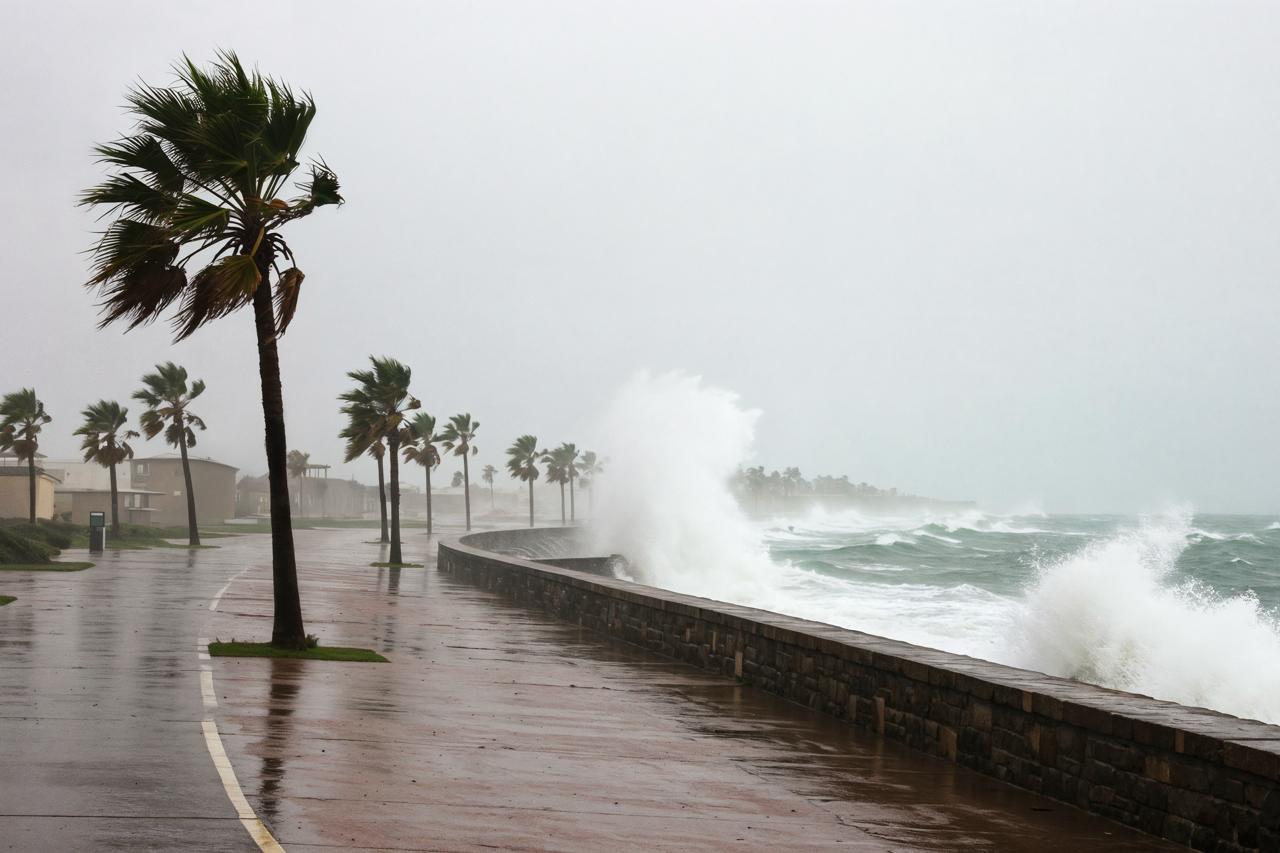
Hurricane season in South Florida is a serious reality, and older adults face greater risks than most. For seniors who are homebound, rely on medical equipment, or live with memory changes, a clear plan made well in advance can be lifesaving. This guide walks families through practical hurricane preparedness for seniors in Miami-Dade and Broward Counties, step by step.
For families caring for a loved one with memory changes, planning ahead is especially important, since storms and evacuations can be confusing and frightening. Physician-coordinated Alzheimer’s and dementia care can help provide steady, familiar support at home before and after a storm.
Home health care simply means skilled medical services delivered in the home when they are needed. It is provided with a physician’s orders and coordination, and it works alongside your loved one’s doctors rather than replacing them.
Key Takeaways
- Older adults face higher risks during hurricanes, especially those who are homebound or depend on medical equipment.
- Know your evacuation zone and make a plan before a storm is ever named.
- Miami-Dade and Broward Counties both offer registries and special needs shelter programs for eligible residents.
- Build a senior hurricane kit with at least a 14-day supply of medications, medical documents, and essential aids.
- Plan ahead for power-dependent equipment and keep long-distance family in the loop.
Why Hurricanes Are More Dangerous for Older Adults
Seniors are more vulnerable during hurricanes for several reasons. Limited mobility can make evacuation difficult. Chronic conditions may require medications, refrigeration, or electricity-dependent equipment. Heat and humidity after a power outage can be dangerous, raising the risk of dehydration and heat-related illness.
Memory changes add another layer of challenge, as disruption to routine and surroundings can cause confusion and distress. Because of these risks, older adults and their families should prepare earlier and more thoroughly than the average household.
Know Your Evacuation Zone Before a Storm Is Named
The single most important first step is knowing whether your loved one lives in an evacuation zone. Both Miami-Dade and Broward Counties publish evacuation zone maps on their official websites, searchable by address.
Do this now, before hurricane season is underway. If your loved one is in an evacuation zone, decide in advance where they will go. The best option is usually to stay with family or friends in a safe, sturdy home outside the evacuation zone. Public shelters should be considered a refuge of last resort. Also plan how your loved one will get there, since transportation during an evacuation can be difficult to arrange at the last minute.
Registering for Miami-Dade’s Emergency and Evacuation Assistance Program
Miami-Dade County offers the Emergency & Evacuation Assistance Program (EEAP), which provides free evacuation assistance to eligible residents who need specialized transportation and/or sheltering, or who would like to receive a wellness call after a disaster. Residents who may require medical monitoring, help with daily living, or who rely on life-saving medical equipment that depends on electricity are encouraged to register before an emergency, and pre-registered residents receive priority.
A few important details for families:
- You only need to apply once to become a lifelong member of the program, though you should report any changes to your information over time.
- You can register online, or call 311 to have an application mailed in English, Spanish, or Haitian Creole. You can also call the EEAP Support Line at 305-513-7700 or email EEAP@MiamiDade.gov.
- Residents of nursing homes, assisted living facilities, or group homes are not eligible, since those facilities are required by law to have their own emergency plans.
Register early. Registration closes before an evacuation order is announced, so do not wait until a storm is approaching.
Special Needs Shelters: Who Qualifies and What to Bring
A special needs shelter is for a person who needs a higher level of care than a general population shelter can provide, but who does not require hospitalization. These shelters offer basic medical assistance and monitoring, are staffed by qualified medical personnel, and have back-up power for limited lighting and essential medical equipment.
In Broward County, pre-registration is handled through the county’s programs. Residents who depend on electricity for medical needs or who have a condition that cannot be supported at a general population shelter are encouraged to pre-register for Broward County’s Special Needs Emergency Sheltering and Transportation Program by contacting the Broward County Emergency Management Division. Broward also maintains a separate Vulnerable Population Registry for residents who are at risk due to disability, frailty, or health issues and who plan to stay home; it is used for planning purposes and is not a guarantee of assistance. Importantly, the Vulnerable Population Registry does not automatically register you for a special needs shelter or evacuation transportation, so register for each separately if needed.
If your loved one goes to a special needs shelter, bring their medications, medical supplies, and current medical information. A caregiver is encouraged to accompany them, since shelters provide basic assistance rather than full personal care.
Building a Senior Hurricane Kit
A well-stocked kit reduces stress and keeps essentials in one place. Along with standard supplies like water, non-perishable food, flashlights, and batteries, seniors have specific needs to plan for.
Medications and a 14-Day Supply
Aim to keep at least a 14-day supply of all medications on hand during hurricane season. Ask the physician or pharmacist about early refills before a storm. Keep a written, up-to-date list of all medications, doses, and prescribing doctors. For medications that need refrigeration, such as insulin, plan ahead for how they will stay cool during a power outage using coolers and ice.
Medical Documents and Care Plan Copies
Gather copies of important documents in a waterproof bag or folder: insurance and Medicare cards, photo ID, a list of medical conditions and allergies, physician contact information, and copies of the home health care plan. Having these ready saves precious time in an emergency and helps any caregiver or provider step in quickly.
Mobility Aids, Hearing Aids, and Glasses
Do not overlook the everyday items your loved one depends on. Pack spare glasses, hearing aids with extra batteries, and any mobility aids such as a cane, walker, or wheelchair. Label these items clearly, especially if your loved one may be going to a shelter.
Power-Dependent Medical Equipment
For seniors who rely on electric medical equipment, a power outage is more than an inconvenience; it can be a medical emergency. Plan for this well ahead of time, and talk with both the physician and the equipment provider about a backup plan. It is also wise to contact your electric utility, such as FPL, about any programs for customers who depend on electricity for medical equipment.

Oxygen Concentrators
Oxygen concentrators need continuous power. Ask the oxygen supplier about backup options, such as extra oxygen cylinders or a battery backup, and how to arrange emergency deliveries. If your loved one cannot maintain oxygen safely at home during an outage, evacuation to a special needs shelter or another safe location may be necessary.
CPAP, Nebulizers, and Powered Beds
Equipment like CPAP machines, nebulizers, and powered hospital beds also depends on electricity. Consider a battery backup or a safe power source, and ask the equipment provider what they recommend. Know which devices are essential and which can be paused briefly if needed, based on the physician’s guidance.
Generator and Battery Safety
A generator can keep essential equipment running, but only if used safely. Never run a generator indoors, in a garage, or near open windows, because it releases carbon monoxide that can be deadly. Always operate it outside, far from the home. Test the generator before storm season, keep fuel stored safely, and have carbon monoxide detectors with fresh batteries in the home.
Communication Plan for Long-Distance Family
Many seniors have family who live out of the area, and staying connected during a storm brings peace of mind for everyone. Make a simple communication plan: identify one out-of-town relative as the main contact, share a written list of key phone numbers, and agree on how and when to check in.
Keep phones charged ahead of the storm and have backup battery packs ready. For families who live far away, in-home elderly care from a skilled home health team can offer added reassurance, with physician-coordinated support and monitoring for a loved one recovering or managing health needs at home. Care is available for families throughout Miami-Dade and Broward Counties.
How It Works
- Assessment: A clinician reviews your loved one’s needs and coordinates with their physician.
- Care plan: We create a personalized, physician-guided plan to support health and safety at home.
- Ongoing visits and updates: Our team provides scheduled visits, monitors progress, and keeps you and the physician informed.
Why Families Trust Home Advantage Home Health
- Medicare-certified skilled home health care delivered with physician coordination.
- Serving Miami-Dade and Broward Counties.
- Compassionate, patient-centered support for seniors and family caregivers.
- Personalized care plans that reflect the spirit of “Always Caring, Always Here.”
Talk With Our Care Team
Preparing a senior loved one for hurricane season is easier with the right plan and support. Our team is here to help.
- Call us today to speak with our care team about home health support in Miami-Dade and Broward.
- Request a consultation through our online form, and we will help with next steps and verify coverage.
AI Summary
This guide covers hurricane preparedness for seniors in Miami-Dade and Broward Counties, especially homebound adults and those who depend on medical equipment. Older adults face higher risks during storms, so families should know their evacuation zone early and plan where a loved one will go. Miami-Dade’s Emergency & Evacuation Assistance Program (EEAP) and Broward’s Vulnerable Population Registry and Special Needs Shelter programs offer help to eligible residents who register in advance. A senior hurricane kit should include at least a 14-day medication supply, medical documents, care plan copies, and essential aids. Families should plan for power-dependent equipment like oxygen concentrators and CPAP machines, use generators safely, and set up a communication plan. Home Advantage Home Health provides skilled, physician-coordinated home health care across Miami-Dade and Broward Counties.