



Blog

Mobile featured image

All Blog Posts

All Blog Posts

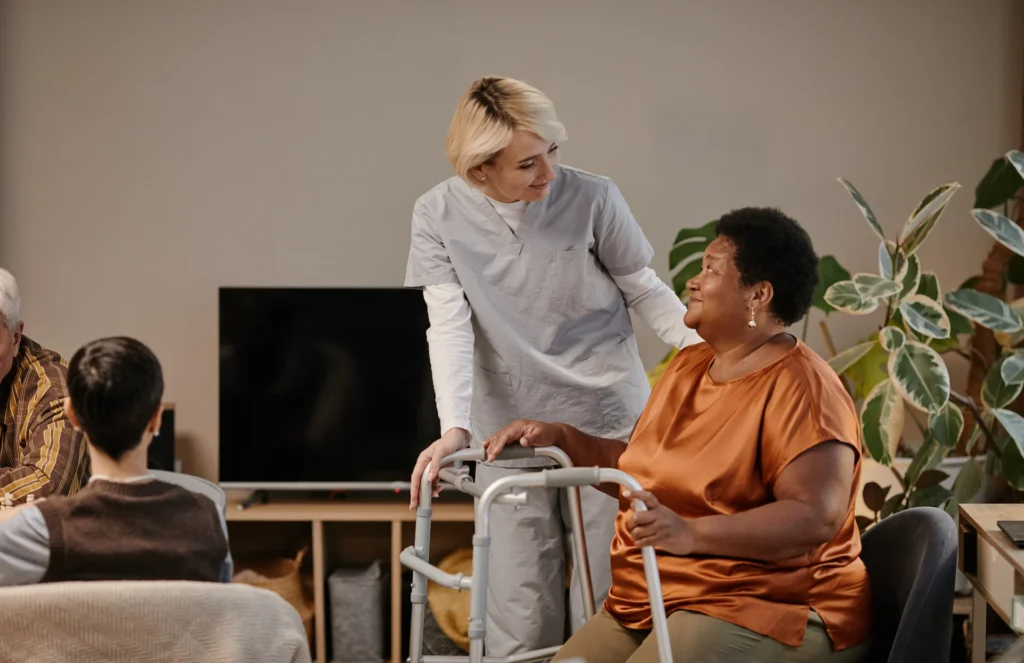
Appropriate care for people with dementia
When Should a Person with Dementia Move to a Nursing Home? Key Signs and Decisions

There are different forms of dementia, and each develops gradually. In the early stages, the symptoms may be mild, but over time, usually several years, the condition becomes more severe. It is vital to discuss care issues in advance and consider when should someone with dementia go into a care home to ensure safety and a decent quality of life. Understanding the Progression of Dementia Over Time Over time, dementia progresses, and it becomes increasingly difficult for the person to cope without help. The process varies from person to person, so support is needed at different times. There are usually three stages: early; mid-season; late. These stages show how symptoms change and how they affect life. It helps better understand the progression of the disease, prepare for future changes, and determine when certain treatments may be most beneficial. Early Warning Signs That Home Care May No Longer Be Enough When does a dementia patient go into a care home? As dementia progresses, it becomes increasingly difficult for a person to cope with everyday tasks. Increased forgetfulness, loss of orientation in time and space, changes in mood and behavior, and neglect of personal hygiene may indicate the need for additional care. Sometimes the first signs are physical – these can include falls, unexplained bruises, sudden weight loss, signs of dehydration, or constant weakness. Safety Concerns That Signal the Need for Higher-Level Care In some cases, you can’t afford to delay. Untimely assistance can lead to problems. Refer to the table below to understand when additional assistance is needed. Safety Concern Signal the Need for Higher-Level Care Frequent falls Repeated falls indicate a high risk of injury and the need for constant supervision. Medication mismanagement Medication errors can lead to serious complications and require professional supervision. Wandering or getting lost Loss of orientation poses a safety hazard and requires monitoring. If you see that a person being alone poses a danger, take action.  When 24-Hour Supervision Becomes Necessary At what point do dementia patients need 24-hour care – a question that arises gradually. At first, it may seem that help with cooking, cleaning, and other basic tasks is sufficient. Later, tasks may become more complex and require more effort. The transition to professional care does not mean defeat, but only shows that needs have changed. Additional support makes life safer and more peaceful, reduces the burden on the family, and helps maintain a decent quality of life. Comparing In-Home Care and Care Home Options A care home differs in that elderly people live in a specially designed environment with round-the-clock care, medical supervision, and communal activities. This is an option for those who need constant assistance and find it more comfortable to be in a community with a set routine. Home care does not go beyond the familiar surroundings, so everything around remains familiar. The support here is more flexible and saves independence. Assistance can relate to everyday tasks, communication, or specific conditions, including dementia. This makes it possible to maintain a familiar rhythm of life and a sense of closeness to one’s surroundings. Emotional and Practical Factors Families Should Consider Once you know when should someone with dementia go into care, it’s time to prepare yourself mentally. Follow these tips to support a loved one: personal meetings help maintain a sense of closeness; phone calls give a feeling of constant contact; messages remind us of care and attention; video chats create a sense of presence even at a distance. Emotions can run high during a move: anxiety, sadness, or resistance to change are natural reactions. It is crucial to acknowledge these feelings and gently support the person, showing them that they are not alone and that help is always available. How Doctors and Care Teams Help Guide the Decision Assessing a person’s condition often manifests itself in the smallest details – facial expressions, pauses in speech, changes in intonation or mood. Such moments can reveal more than any formal tests. Caregivers and doctors have more advanced recognition skills, so if you don’t know what to do, they can advise you. For loved ones, paying attention to such details becomes a true expression of care and concern. And for those who care for older people, observation translates into concrete actions that help maintain health, confidence, and a sense of independence for as long as possible. Planning Ahead for a Transition to a Care Home Moving to a senior living facility is a big decision, but it can be done calmly and comfortably. With careful preparation and support, the transition is easier. It is essential to discuss the details in advance and be there on moving day. Your presence helps your loved one feel confident, reduces anxiety, and helps them get used to their new surroundings more quickly. FAQ  How does dementia progression affect storytelling abilities? Over time, narratives may become fragmented, yet creative therapies help preserve expression, allowing memories to resurface through art, music, or shared family stories. Can changing environments slow dementia symptoms? Familiar surroundings often reduce confusion, while sudden changes may intensify disorientation. Thoughtful design and consistent routines can gently slow cognitive decline. What role does humor play in dementia care? Laughter reduces stress, strengthens bonds, and creates joyful moments, offering families a way to connect beyond memory loss and cognitive challenges. What impact does dementia have on decision-making? Choices may become overwhelming, but simplified options and supportive guidance empower patients to retain dignity and autonomy longer as progression progresses. Can dementia progression reshape family roles? Absolutely. Caregivers often become historians, advocates, and emotional anchors, while patients inspire resilience, teaching families patience and new forms of love.


Read more February 17, 2026
Advantages of Palliative Care
The Advantages of Palliative Care for Patients and Their Relatives

Coping with a serious or chronic illness is never easy. Many people feel tired, anxious about the future and their loved ones, and struggle with treatment and medical procedures. At times like these, additional support, such as palliative care, can ease the burden and restore a sense of confidence. What Palliative Care Is and How It Works Palliative care is a unique form of health services for people with serious illnesses. Palliative care benefits include reducing symptoms and stress associated with illness. The main goal is to improve the quality of life and comfort for both the patient and their family. This care is provided by a team of specialists: doctors, nurses, social workers, spiritual advisors, and others who work with the attending physician to provide additional care. It is based on the individual needs of the person rather than the illness’s prognosis and can be provided to people of any age at any stage of the illness, in combination with primary treatment. Core Benefits of Palliative Care The benefits of palliative care at home are numerous if you choose the right agency. These services have a positive impact on various aspects, so consider this option to make life easier for your seniors. Pain and Symptom Management The main goal here is to reduce suffering and improve the quality of life for patients and their loved ones. It helps to cope with pain, fatigue, anxiety, sleep disorders, and other severe symptoms. Specialists work together to restore strength and enable patients to continue their usual activities. As a result, people not only experience relief but also feel more confident about each day. In addition, practice shows that in cases of serious illness, such care can prolong life compared to the absence of additional assistance. Emotional and Psychological Support The team of specialists working in this area of support brings together diverse expertise and knowledge to help people cope with the challenges of the disease and its consequences. The focus is on: management of symptoms and relief of physical condition; support for chronic problems and long-term limitations; spiritual care and the search for inner balance. The main goal is to strengthen coping skills, offer new strategies, and empower individuals to feel more confident even during difficult times. Support for Families and Caregivers If you don’t know how to help your relative, seek palliative care. As a result, families will be able to relax and feel a little more at ease. Support Area Impact on Families and Caregivers Emotional guidance Reducing anxiety and stress through counseling and psychological support Practical help Assistance with care, daily living, and medical procedures Education Training in care skills and understanding the patient’s condition Respite time The opportunity to relax and recharge your batteries while specialists take care of everything. Communication is an essential part of everyone’s life and mental health. Specialists have the skills to adapt to different people, so they can support them more effectively. How Palliative Care Improves Quality of Life Support from specialists simplifies everything, helping you think about your future health in advance and make decisions that are more convenient and safer. Sometimes treatment can be too difficult or ineffective, and then it is important to consider other options. Possible directions: searching for resources that ease the burden and simplify planning; assistance with paperwork and social benefits; explaining medical instructions and improving communication with doctors. If treatment is no longer beneficial, you can switch to hospice care. This option includes many elements of care, but without attempts at cure. Understanding the differences between hospice vs palliative care benefits helps you choose the most appropriate path. The Role of the Care Team Palliative care can be provided in various settings: a hospital, nursing home, specialized outpatient clinic, or directly in home care. The costs are often covered by Medicare, Medicaid, and insurance companies. Working with a professional care team makes the process easier and provides the patient and their family with additional attention and assistance. Accessing Palliative Care Services Palliative care is relevant at various phases of the disease. If you have any doubts about its necessity, it is worth discussing the situation with your doctor and asking for additional help.  Insurance, Referrals, What to Expect Insurance programs often cover the costs associated with additional support for serious illnesses. Public and private coverage options may pay for services and medications if they are deemed necessary for health reasons. Insurance specialists will be able to coordinate with you in more detail on all aspects. FAQ Can palliative care encourage creativity for patients? Yes, it often includes art, music, or storytelling therapies, allowing patients to express emotions, find joy, and reconnect with their identity beyond illness. How does it strengthen family bonds? By fostering open communication, shared decision-making, and emotional support, palliative care helps families grow closer, creating resilience and unity in the face of uncertainty. Does palliative care improve spiritual well-being? It provides space for reflection, guidance, and connection to personal beliefs, offering peace of mind and deeper meaning for patients and their loved ones. How does it reduce hidden burdens for caregivers? Care teams address emotional fatigue, provide respite, and share practical strategies, ensuring caregivers feel supported, valued, and less overwhelmed by constant responsibilities. Does palliative care create lasting legacies? Through memory projects, recorded stories, or shared experiences, palliative care helps families preserve meaningful legacies, ensuring love and wisdom endure beyond physical presence.

Read more February 16, 2026
Healthy senior nutrition
Senior Nutrition Guidelines for Healthy and Active Aging

Properly organized nutrition at home supports clarity of thought, strengthens physical health, and brings inner peace, while also helping to save money. All it takes is a little time spent planning and a dash of creativity, and you’ll have delicious meals on your table that will delight both your body and soul. If you don’t know where to start, senior nutrition guidelines will help you create a healthy daily diet. Why Proper Nutrition Becomes More Important With Age Nutrition for aging adults is different, and wellness depends on it. It provides the body with essential vitamins and minerals, helping you feel productive and active. Changes in Metabolism and Muscle Mass With age, the body becomes more vulnerable to excessive calorie consumption. It can lead not only to excess weight, but also to the development of serious diseases such as diabetes, high blood pressure, atherosclerosis, gout, and the formation of stones in the kidneys and gallbladder. The recommended daily energy intake for older adults is approximately 2,100-2,300 kcal, and for older people, 1,900-2,000 kcal. If a person continues to work actively after retirement, their energy needs increase. The best indicator of the right balance is a stable muscle mass. Common Nutrient Deficiencies in Older Adults In older people, nutrient deficiencies can occur for various reasons, and their levels vary depending on individual characteristics. The most common contributing factors are: insufficient food intake and poor diet quality; age-related changes manifested in loss of appetite and forgetfulness; financial difficulties limiting the ability to buy healthy foods; taking medications that reduce nutrient absorption. A combination of physical, cognitive, and physiological changes can lead to the development of chronic diseases. A lack of essential nutrients worsens quality of life, reduces physical activity, and can lead to muscle loss and decreased bone strength, increasing the risk of osteoporosis. It, in turn, reduces strength, endurance, and immunity. Key Nutrition Guidelines for Seniors The main rule is to eat a varied diet. Get inspiration from recipes in books, on the internet, and from friends’ recommendations, and make sure you get the right balance of micronutrients. Area of Health Nutrition Focus Practical Advice Energy balance and metabolism Metabolism slows down with age, so avoid overeating. Control your portions, eat regularly, choose foods with a low glycemic index. Digestive wellness Fiber supports digestion and reduces the risk of constipation and high cholesterol Include vegetables, fruits, legumes, whole grains; aim for 25–30 g of fiber per day. Bone strength Calcium is required for bone reinforcement and osteoporosis prevention. Eat dairy products, green leafy vegetables, nuts; check your vitamin D levels. Muscle maintenance Protein helps maintain muscle mass, strength, and endurance Fish, eggs, lean meat, legumes; even distribution of protein throughout the day If you decide to create your own diet plan, first familiarize yourself with examples and recommendations from reliable sources. This will save you time and bring you closer to your goal of healthy eating at home. Building a Balanced Diet for Older Adults When planning meals for older people, it is essential to consider their health and personal taste preferences. A varied diet helps the body get all the necessary nutrients.  A typical daily menu might look like this: oatmeal with fruit and green tea for breakfast, vegetable soup with steamed chicken breast and fresh vegetable salad for lunch, and baked fish with vegetables and a glass of kefir for dinner. Nutrition Tips for Managing Chronic Conditions In older people, taste perception gradually weakens, and many begin to use more salt and spices to compensate. However, remember that excess salt can retain fluid, increase the workload on the heart, and lead to hypertension. Dietary control is significant for seniors because their bodies no longer always allow them to eat what they want. Special diets are prescribed for stomach diseases, and soft foods are recommended for oral cavity problems. It is not a cause for concern, but simply a feature of aging that should be accepted. Stay hydrated. Drinking enough fluids helps prevent dehydration and many other problems. How to Support Healthy Eating Habits in Seniors Older people often have difficulty maintaining a balanced, nutritious diet on a regular basis. In such cases, dietary supplements can provide some support by helping to compensate for deficiencies in essential nutrients. It is important to remember that dietary supplements are not food in the strict sense of the word, so their use requires care and caution. Before purchasing any supplements, follow a few rules: understand that not every supplement is suitable for you; remember: even if the manufacturer claims that a product is “natural,” this is not always true; some supplements can cause unwanted side effects; if you are taking medication, supplements can alter its effect — either weakening or strengthening it. never use supplements to treat or diagnose diseases without first consulting your doctor. Healthy aging nutrition should be based on a balanced diet, and supplements should only be used as an additional tool under the supervision of a specialist. When to Consult a Registered Dietitian Consulting a nutritionist is always the right solution. They will send you for a health check-up to identify any vulnerabilities. Understanding protein requirements for elderly people will enable you to create a healthy diet, improve your well-being, and enhance your health.

Read more January 28, 2026
Dementia vs normal aging
Understanding Normal Age-Related Memory Loss and How It Differs From Dementia

Over time, the human body inevitably undergoes changes, as this is a natural part of life. The brain and body gradually transform, which can affect physical abilities and cognitive functions and increase the likelihood of certain diseases. The aging process is unique to each individual. Some notice the first signs earlier, others later, and the intensity of these changes is always unique. In this article, we will examine what is normal age-related memory loss. What Typical Memory Changes Look Like as We Age Over the years, the human body gradually changes, and these processes affect all of its systems, including brain function. For some people, this manifests as taking longer to recall the necessary information, sometimes forgetting to pay bills, or losing things. Such episodes are most often associated with normal age-related forgetfulness and do not indicate serious disorders. Minor memory lapses can occur at any age and are considered normal. However, if the difficulties become so pronounced that they interfere with performing routine tasks, there may be more serious problems. The brain of healthy older adults does not lose a significant number of cells. Massive neuron loss is mainly characteristic of those who have suffered a stroke or suffer from diseases associated with progressive nerve cell death, such as Alzheimer’s or Parkinson’s disease. Early Signs That Suggest Normal Aging Rather Than Dementia Sometimes ordinary forgetfulness is not a cause for concern, but in other situations, changes become noticeable and begin to interfere with everyday life. In such cases, it is essential to pay attention to the body’s signals in time and consult a specialist: repeating the same questions; losing orientation in familiar places; difficulty following recipes or instructions; confusion about time, names, and events; neglecting oneself – irregular eating, poor hygiene, or risky behavior. If you notice any of these symptoms, you should consult a doctor. They will be able to conduct the necessary tests, identify the causes of memory impairment, and, if necessary, refer you to a neurologist who specializes in diseases of the brain and nervous system. Key Differences Between Age-Related Memory Loss and Dementia To avoid premature panic, it is worth comparing dementia vs normal aging.  Factor Age-Related Changes in Memory    Dementia Nature of forgetfulness        Sometimes difficult to remember names or where things are placed Often forgets important events, dates, recent conversations Impact on daily life Usually does not interfere with performing routine tasks Seriously impairs work, financial management, spatial orientation Speed of recall   Information comes back more slowly, but is still recovered Memories may disappear completely, even with prompts Control and awareness The person understands that they sometimes forget Often unaware of the extent of the problem, may deny difficulties Progression Manifests gradually and remains stable Symptoms worsen over time, leading to loss of independence Physiological basis  Normal age-related changes in the brain without significant cell loss   Neurodegenerative processes: Alzheimer’s, Parkinson’s, and others In any case, it is not worth judging older people for their forgetfulness. Support is especially important at times like these. When Forgetfulness Becomes a Concern After age 65, many people experience changes in their memory. Statistics show that this affects more than 40% of older adults. Usually, these symptoms are not critical and do not interfere with leading a normal lifestyle. It is important to remember that mild forgetfulness does not automatically mean the development of dementia. Dementia is much less common: approximately 5-8% of people over the age of 60 are diagnosed with some form of dementia. Unlike normal age-related changes, dementia is characterized by a gradual deterioration in cognitive function and can lead to serious limitations, including the loss of the ability to care for oneself. The major point is regular monitoring of memory status. Timely observation helps to distinguish natural age-related changes from signs of a progressive disease. Red Flags That May Signal Cognitive Decline Signs of cognitive decline are often immediately noticeable, as they can negatively affect quality of life and communication. Comparing dementia vs. old age, the former will be much more difficult. Your loved one may have difficulty perceiving and processing visual information. Sometimes this manifests itself in difficulty concentrating on tasks involving visual images, and they are easily distracted by surrounding stimuli. They may also have difficulty reading, writing, or performing mathematical operations. Letters, numbers, and symbols may be less clear to them than before. You may notice they have difficulty finding the right words, which can lead to feelings of irritation or frustration. In some cases, they may forget the names of familiar objects or begin to construct sentences with grammatical errors. If their speech was previously coherent and correct, such changes may be cause for concern. In addition, the person may make decisions that clearly contradict their previous beliefs and values. If you observe a sudden change in priorities or character traits for no apparent reason, this may indicate possible cognitive impairment. Causes Behind Normal Age-Related Memory Changes The characteristics of normal aging vs. dementia differ. With age, the brain gradually changes. This is due to both structural and functional characteristics that manifest themselves in older people. The main processes occurring in the brain: the number of neurons gradually decreases; the level of neurotransmitters responsible for signal transmission often decreases, although some substances may increase; the nerve cells lose some of the receptors necessary for signal exchange; the blood supply to the brain becomes less intense. These changes cause the brain to function slightly slower. Older people need more time to perform familiar tasks, but with enough time, they can do them successfully. After age 70, a slight decline in certain cognitive functions can be observed, including short-term memory, the ability to learn new information, recall of words, and the use of a rich vocabulary. How Families Can Support a Loved One Experiencing Memory Changes In addition to understanding the differences of aging vs. dementia, families need to take care of their elderly relatives. To do this, it is important to monitor good sleep patterns, nutrition, and mental exercises. If you […]

Read more January 26, 2026
copd and heart failure
Understanding the Connection Between COPD and Heart Failure

Chronic obstructive pulmonary disease and heart failure belong to different groups of diseases, but they can manifest themselves in similar ways. Both conditions often make it difficult for a person to breathe during exertion, whether climbing stairs, walking quickly, or engaging in any other physical activity. What Are COPD and Congestive Heart Failure? Chronic obstructive pulmonary disease is a long-term condition in which the airways become inflamed and gradually narrow. This makes it harder for air to pass through, making breathing difficult and causing a feeling of breathlessness that worsens over time. Heart failure, in turn, means that the heart is no longer able to pump blood as it should. When the pumping function weakens, tissues and organs receive less oxygen and nutrients, disrupting their normal functioning and causing a general deterioration in well-being. Shared Risk Factors Between COPD and Heart Failure The likelihood of developing COPD and heart failure increases with certain factors. Get to know them and fight those that are still present in your life. Smoking and environmental pollution Smoking is considered to be the main external factor that most often leads to the development of the disease. It is generally accepted that a long-term habit of smoking about a pack of cigarettes a day for approximately 15-20 years significantly increases the likelihood of developing persistent bronchial obstruction and negatively affects the cardiovascular system. Cardiovascular disease and hypertension The onset of disease is associated with heart disease and high blood pressure, as these conditions place additional strain on the blood vessels and impair tissue oxygenation. Here are some other factors that contribute to the deterioration of the condition: chronic cardiovascular diseases, including ischemic heart disease; arterial hypertension, causing structural changes in blood vessels and the heart; systemic inflammation, characteristic of both COPD and heart failure. These mechanisms reinforce each other: damage to blood vessels impairs blood supply to the lungs, and impaired ventilation in COPD increases the load on the heart. This results in a vicious circle in which both diseases progress more rapidly. Lifestyle, age, and genetic predisposition Internal factors contributing to the development of the disease include hereditary characteristics, epigenetic changes, and personal physiological predisposition. Although genetic factors are uncommon, their influence can be quite significant. One example is congenital α1-antitrypsin deficiency, a deficiency in a protein that protects lung tissue from damage by enzymes. A lack of this protein increases the risk of pathological changes in the respiratory system. How to Differentiate COPD and Heart Failure Symptoms When a person has both COPD and heart failure, it can be difficult to determine which condition is causing the symptoms. In such situations, a medical examination plays an important role: a specialist assesses the functioning of the heart and lungs, listens to the breath sounds, and checks the condition of the jugular veins – all of which help determine the source of shortness of breath. Additional information is provided by a chest X-ray. If the cause of the deterioration is heart failure, the image often shows signs of fluid accumulation in the lung tissue. Shortness of breath and respiratory patterns COPD and heart failure symptoms are similar. COPD usually manifests as a prolonged cough and characteristic wheezing on breathing. In both pathologies, shortness of breath typically occurs only during activity, but as the disease progresses, it can become bothersome even at rest. Fatigue, chest pain, and swelling Heart failure is often accompanied by additional symptoms that help to suspect that the problem is cardiac in nature. Some of the most characteristic symptoms include chest discomfort or pressure, as well as noticeable swelling of the feet and ankles. These symptoms occur because the heart is pumping blood less efficiently, fluid is retained in the tissues, and the blood supply is impaired. Key differences in progression and response to treatment Exacerbations of these two diseases manifest differently, and the nature of the deterioration often helps distinguish one condition from the other. With COPD, the deterioration in well-being usually occurs suddenly. Among the most common triggers of COPD and CHF exacerbations are: respiratory tract infections and exposure to irritants; changes in diet, especially excess salt intake; failure to take prescribed medications as directed. Worsening heart failure usually develops gradually. The body begins to retain fluid, edema appears, fatigue increases, and only then does shortness of breath develop. However, in both cases, the risk of exacerbations increases significantly if the person does not follow the prescribed treatment. Early Warning Signs You Shouldn’t Ignore The sooner you notice COPD heart failure symptoms, the better. They should not be ignored; instead, you should immediately consult a doctor and start treatment. Persistent cough or wheezing A persistent cough or wheezing while breathing may indicate ongoing inflammation or narrowing of the airways, making it difficult for air to pass through. This is not just temporary discomfort, so pay attention to this symptom. Difficulty breathing during rest Feeling short of breath when moving or trying to lie down often indicates poor heart function. When the heart muscle loses its ability to pump blood effectively, some fluid begins to accumulate in the lung tissue. This causes congestion, which makes breathing increasingly difficult. Swollen legs or ankles When the heart stops pumping blood effectively, fluid begins to accumulate in the lower extremities. As a result, the legs, ankles, and feet gradually increase in volume, and a feeling of heaviness and skin tightness develops. Rapid weight gain and fluid buildup A sudden, unexplained increase in body weight is often associated with fluid retention. Such weight gain can occur in just a few days and often indicates that the heart is no longer able to pump effectively, leading to fluid accumulation in the tissues. Can COPD Lead to Heart Failure? Many people are interested in – can COPD cause heart failure? According to various studies, COPD is quite common in people with chronic heart failure, affecting approximately a quarter or even a third of patients. Among COPD patients, heart failure with preserved ejection fraction is significantly more common, […]

Read more December 30, 2025
Understanding Chronic Disease Management and Its Importance for Seniors

Chronic diseases are not a death sentence, so you can get your life back on track and not despair. The main thing is to learn to live in new circumstances, maintaining both your physical and emotional well-being. What Is Chronic Disease Management? Chronic disease management is a long-term care plan that helps prevent complications and improve quality of life. It is compiled by professionals – medical staff, experienced caregivers, nutritionists, and others. Each home care plan is tailored to the needs and capabilities of a specific person. It can be changed if the person under care’s condition changes. Challenges of Living With Chronic Illness Chronic diseases in older adults change their lifestyle. According to research, 68.7% of such patients suffer from stress, and 51.1% from additional anxiety. In addition to emotional deterioration, they also negatively affect other aspects of life. Physical limitations and fatigue 95% of people with chronic illnesses rely on caregivers or relatives for help. They experience physical discomfort, which manifests itself in: limited mobility; poor sleep; pain and fatigue. The consequences depend on the type of disease. For example, mobility issues are observed in cases of arthritis or spinal problems. Emotional stress and mental health concerns The uncertainty and need to change old habits due to dealing with chronic illness cause anxiety and stress. Constant pain can lead to isolation and a cessation of active communication. This negatively affects self-esteem, mood, and feelings of joy in life. In the long term, this can lead to depression, so it is worth taking measures to prevent such outcomes. Medication routines and doctor appointments First, you have to understand what is chronic disease management, and ensure it. To maintain your well-being and prevent your symptoms from worsening, you need to undergo treatment. Seniors should always visit their doctors, get tested, and monitor their condition. If you are unable to take your medication on time by yourself, you can delegate this responsibility to a caregiver or family member who looks after you.  The importance of family and community support There is a strong connection between emotional state and human health. Patients with higher optimism tend to have better treatment outcomes. To feel comfortable, people with chronic illnesses need the support of their relatives. When they are around, the patient does not feel lonely, and their mood improves. Benefits of Managing Chronic Diseases at Home If you don’t know how to live with chronic illness, home care can help you cope. Having a caregiver’s support in familiar surroundings has its advantages. Benefits Details Personalized care It is easier to organize individual treatment plans that take into account the patient’s specific needs at home. Medical professionals and caregivers can tailor care to specific needs, including diet, physical activity, and symptom management. Independence All of the ward’s needs and desires are taken into account. They always have the right to choose, and the familiar home environment allows them to feel at ease. Cost-effectiveness Home care is often less expensive than a long stay in a hospital or specialized facility. It helps reduce hospitalization and transportation costs while maintaining a high level of medical support. Patients at home are more likely to adhere to their medication regimens and keep doctor appointments. This is due to the convenience and reduced stress compared to regular trips to the clinic. Practical Tips for Families Supporting Seniors With Chronic Conditions As you age, maintaining your health can become more difficult. By following all the rules and getting reliable support, you can stay calm and not compromise your physical condition. Encouraging medication adherence Effective treatment must be followed to prevent the disease from progressing. To do this, you need to consult a doctor, monitor and record your symptoms, as well as changes in your condition. Patients who take their medication without missing doses are less likely to be hospitalized. The main thing is not to self-medicate. Promoting physical activity and healthy habits You shouldn’t give up physical activities. At first, living with chronic illness may seem difficult, but it is worth trying relaxation and meditation techniques. They will reduce anxiety and help you switch gears.  Healthy habits should be maintained in any case. Go to bed early and get at least 9 hours of sleep. Eat right and monitor your water balance, calculating it based on your body weight. Recognizing early warning signs of complications If you suffer from a chronic illness, it is important to learn everything you can about it. Pay attention to the appearance of new symptoms, including: shortness of breath; severe fatigue; headaches and other types of pain; changes in blood sugar/blood pressure levels. Responding quickly to such signals will allow you to take immediate action. Thanks to this responsible approach, you can prevent more serious negative consequences. Keeping open communication with doctors and caregivers Doctors and nurses should provide you with a comprehensive, individualized treatment and care plan. You need to communicate with them regularly. If your health or symptoms change, let them know. If you have any questions, it is better to ask than to guess what to do and what medications to take. How Professional Caregivers Make a Difference Professional caregivers show compassion and share your daily life. With them, your home becomes comfortable – the food is healthy, you feel good, and there is always someone to talk to. In-home monitoring and regular health assessments Caregivers with medical training can provide healthcare. They can help measure vital signs, give injections, and monitor health. Also, they can go with you to medical facilities and keep track of your medical history. Assistance with nutrition, mobility, and hygiene If you are unable to manage everyday tasks, someone else will do them for you. A caregiver can check the freshness of food, cook, clean, and help you get around. They listen to their charges’ wishes and give them the opportunity to remain independent. Building trust and emotional connection The caregiver’s care goes beyond physical assistance. Compassion and attention build trust and reduce feelings of isolation. […]

Read more December 29, 2025
-
Tags
24-hour care aging aging and health aging at home Alzheimer's Alzheimer's disease balanced diet brain function calcium cardiovascular health care care plan care routine caregiver caregiver guide caregiver respite caregiver support caregiving caregiving for seniors chronic conditions chronic disease management chronic illness chronic illness care chronic illness support cognitive health comorbid conditions COPD custom home care miami daily living help dementia dietary supplements disease progression elder care decisions elder care support elderly care elderly care miami elderly health elderly wellness emotional support family bonding family caregiving family support fiber flexible care plans forgetfulness geriatric care growth healthcare services healthy aging heart failure hha agency miami holistic care home care home care planning home care services home care support home health care miami hydration improvement in-home assistance in-home care in-home care miami insurance coverage life medication management medication reminders memory care memory loss mental health mental health for seniors metabolism miami hha services miami home care muscle mass neurology nursing home nutrient deficiency opinion pain management palliative care patient advocacy personalized care plan personalized care plans prescription help protein intake quality of life red flags respiratory health senior care senior care services senior care tips senior health senior nutrition senior safety senior wellness spiritual care symptom monitoring
Recent Posts
Which Vitamins Are Best for Seniors and Why They Matter

As we age, the body becomes less efficient at absorbing nutrients, even with a balanced diet. This can lead to vitamin deficiencies, so supplements are sometimes necessary. A lack of essential nutrients can exacerbate existing health conditions and increase the risk of new chronic problems. In such cases, it’s helpful to know which vitamins are best for seniors to maintain health and prevent complications. How Nutritional Needs Change With Age People’s bodies gradually change, and these changes affect our nutrition. Metabolism slows down, so we need fewer calories but more vitamins and minerals. The digestive system becomes less efficient, and enzyme production decreases, making it harder to digest heavy foods. The sense of taste and smell becomes less pronounced, and appetite decreases. The body retains less water, so the risk of dehydration increases because thirst is felt less intensely. Additionally, problems with teeth or dentures can limit food choices, making the diet less varied. Most Important Vitamins for Seniors Older adults often experience a loss of appetite or dietary restrictions due to health conditions. This can reduce their intake of nutrient-rich foods, leading to deficiencies. Such a situation can cause new problems or exacerbate existing ones. However, a balanced diet and the right choice of vitamins for elderly can help prevent complications and and stay healthy. Vitamin D and Bone Health Vitamin D-3 maintains strong bones and a robust immune system. A deficiency can lead to osteoporosis and a weakened immune response. This vitamin helps the body absorb calcium, making bones more resistant to stress and injury. Sunlight stimulates the natural production of D-3 in the skin, but this process becomes less effective with age. Therefore, older adults often need supplements, especially if fish is not a regular part of their diet. Vitamin B12 and Cognitive Function The bodies of older adults need extra support, as nutrient absorption becomes less efficient over time. Particular attention should be paid to B vitamins, which are responsible for energy and cellular function: Vitamin B12 helps produce new blood cells and nerve cells. Folate (folic acid) supports cognitive function and reduces the risk of dementia. Insufficient levels of these nutrients may increase the risk of heart attacks and strokes. Symptoms of vitamin B12 deficiency include weakness, loss of appetite, balance problems, and tingling in the extremities. That is why it is important to be aware of vitamins for old people and to adjust your diet or take supplements promptly to avoid serious complications. Calcium and Muscle Support Potassium is essential for the proper functioning of the heart, kidneys, muscles, and nervous system. It also promotes strong teeth and helps reduce the risk of fractures. In addition to potassium, older adults need calcium, magnesium, iron, iodine, and selenium. Unlike vitamins, the need for certain minerals may decrease with age. This is due to the accumulation of salts and minerals in the body over a lifetime. Therefore, taking additional calcium or other macro- and micronutrients should be done with caution, following your doctor’s instructions and recommendations. Vitamins for Seniors Over 70 To better understand the differences between regular multivitamins and specialized formulas for older adults, consider their ingredients and intended use. General-purpose supplements typically contain a standard set of nutrients, whereas specialized vitamins for seniors over 70 have a different focus: they are enriched with calcium to support bone strength; they contain more vitamin D, which helps the body absorb calcium and strengthens the immune system; they include vitamin B12, which is important for the nervous system and blood formation, as its absorption is often impaired in older adults. Thus, multivitamins for the elderly are designed with physiological changes in mind and help maintain health where standard formulas may be less effective. Common Vitamin Deficiencies in Older Adults Older adults often have difficulty maintaining a balanced diet, which can lead to vitamin deficiencies. Mild deficiencies are very common, especially among frail individuals or those living in nursing homes. Such deficiencies can manifest as anemia, memory problems, increased susceptibility to infections, and slow wound healing. Often, the deficiency involves not just one but several vitamins simultaneously, as general malnutrition has a comprehensive effect. If the deficiency becomes severe, it can cause irreversible organ damage and significantly impair quality of life. Getting Vitamins From Food vs Supplements If you’re not sure what the best vitamins for seniors are, consult your doctor. You should do the same if you’re unsure whether you’re getting enough nutrients from your diet. Source  Advantages Disadvantages Who It’s Best For Food  Natural nutrients, additional antioxidants, and fiber help foster a healthy relationship with food It can be difficult to get enough of these nutrients on a limited diet People who follow a varied eating routine Supplements Convenient form, precise dosing, help fill nutritional gaps, support a proactive approach to health care Risk of excess, require professional supervision Older adults, when nutrient absorption from food decreases A good approach is to combine both methods, while being mindful of your limits and paying attention to how you feel. Safety Considerations When Taking Supplements When choosing supplements, keep in mind that nutrients can interact with medications, potentially affecting their efficacy. The Recommended Daily Allowance (RDA) specifies the amount of nutrients that should be consumed based on age and gender. The DV value on the packaging indicates what percentage of the average daily requirement a specific supplement provides for different population groups. In addition, manufacturers often indicate the UL – the upper limit of acceptable intake. Exceeding this limit is dangerous, as an excess of nutrients can cause side effects ranging from digestive disorders to kidney stones or serious organ damage. Therefore, supplement intake should be controlled and coordinated with a specialist’s recommendations. When to Talk to a Healthcare Provider You shouldn’t just start taking vitamins on your own. It’s better to get tested and assess your health. A doctor can help with this, making taking vitamins much more effective. FAQ  Can supplements replace a balanced diet?   No, they only supplement your diet. Supplements make up for […]

Benefits of Pet Therapy for Seniors and How It Improves Quality of Life

Studies confirm that interacting with animals improves the well-being of older adults. This is particularly evident among those who live alone or reside in long-term care facilities. Such activities reduce feelings of isolation and provide emotional support. The benefits of pet therapy for seniors include improved mood, reduced stress, and a stronger sense of connection. What Pet Therapy Is and How It Works Animal-assisted therapy incorporates animals into the therapeutic process. Under a specialist’s guidance, a person interacts regularly with an animal, which gradually improves their emotional state and mental health. This interaction can be active – such as through play or caregiving – or passive, such as observing the animal, like watching fish in an aquarium. Why Pet Therapy Is Beneficial for Seniors To better understand what is pet therapy for the elderly people, it’s worth learning about its main benefits. They encompass a range of aspects, from emotional to physical.  Emotional Benefits of Animal Interaction The unconditional affection of animals provides strong emotional support for older adults, especially after the loss of a close partner. The pet therapy benefits for seniors are evident in the following ways: Reduced stress and anxiety. Interacting with animals lowers cortisol levels and increases serotonin levels, creating a sense of calm and joy. Combating loneliness. Interacting with a therapy animal helps overcome feelings of isolation, especially in long-term care facilities. Improving mood. Pets’ playful and affectionate behavior brings joy and creates moments of true happiness. This kind of interaction makes life more fulfilling and emotionally stable. Mental Health Benefits of Pet Therapy Animal-assisted therapy serves as a form of psychological support that helps people cope with depression and anxiety. Interacting with animals fosters a sense of connection and reduces feelings of isolation. When interacting with pets, the body releases endorphins and oxytocin, which enhance feelings of joy and inner comfort. This interaction not only soothes but also encourages activity, promotes socialization, and develops the caregiving skills needed to restore emotional balance. Physical Benefits of Pet Therapy for Older Adults Pet therapy also offers physical benefits. Interacting with animals helps regulate the body’s condition and makes life more active. Here’s how it works: contact with pets can lower blood pressure and support heart function; caring for a pet or taking it for a walk encourages physical activity and improves motor skills; the presence of a pet distracts from chronic pain and provides a sense of relief. As a result, it strengthens the body and provides a sense of comfort, combining health benefits with the pleasure of socializing. Pet Therapy for Seniors With Cognitive Decline For older adults with cognitive impairments, such as dementia or Alzheimer’s disease, interacting with animals can be a source of mental stimulation. Spending time with pets evokes memories, encourages conversations about the past, and helps maintain focus. The presence of an animal makes a person more focused and engaged in the present moment. Even simple actions, such as deciding how to feed a pet or how to interact with it, activate thought processes and support cognitive function. Best Types of Pets for Seniors What are the best pets for seniors? In each case, the specialists may recommend a different animal. Pet Type          Characteristics Suitable For Cats  Calm, low-maintenance, love a cozy environment People who prefer a quiet home Small dogs Friendly, encourage walks, easy to train Those who want more exercise Fish   Calming to watch, minimal care  Elderly people with limited mobility Birds Lively, sociable, create a lively atmosphere   Those who appreciate sounds and interaction Guinea pigs  Affectionate, easy to care for   People looking for easy interaction and care Dog therapy is considered the most popular form of therapy. Regardless of the type of animal, seniors are sure to notice positive effects under the guidance of specialists. Safety and Responsibility Considerations What is the best dog for seniors – is not the only important issue. The basic principles for using therapy animals should be simple and clear. The policy must include infection prevention measures and safety guidelines. Hand hygiene is mandatory before and after contact with an animal. Animals do not visit patients in isolation. When interacting with a patient in bed, a disposable barrier is used and discarded after the visit. Animals are not allowed to lick people or themselves. Animals undergo examination and grooming before work. For safety, animals are always kept on a leash and under the supervision of a specialist. They do not interact with patients when they are aggressive or agitated. Paws are not used for “handshakes” to prevent the transmission of microorganisms and skin damage. Pet Therapy vs Pet Ownership In addition to choosing the best dog for seniors, some people are considering getting a pet. This situation is different. If you want to take this step, you need to make sure you can care for your new family member. In some cases, this can be more challenging.  If you plan to delegate this task to a caregiver, clarify in advance whether they can take on this responsibility. Please note that an additional charge may apply. FAQ How do pets help older adults?   You can enjoy companionship with pets, reduce loneliness, and get emotional support, making life more fulfilling and peaceful. Can interacting with animals strengthen relationships?   It can even strengthen relationships between people. Regular interaction fosters a strong bond, builds trust, and brings joy to everyday moments. How do pets motivate older adults?   The presence of a pet provides motivation for physical activity, walks, and care, which supports physical and emotional health. Does interacting with animals affect empathy?   Yes, pets foster empathy, teach care and attentiveness, and help people better understand others’ feelings. How do animals help maintain a routine?   Caring for a pet establishes a routine, creates a daily structure, and helps maintain stability in an older adult’s life.

How to Qualify for Home Health Care: Eligibility, Requirements, and Next Steps

Medicare, Medicaid, and private insurance programs enable many people to receive health care at home. How to qualify for home health care is determined by a physician who assesses the patient’s condition and needs. Understanding Medicare coverage and criteria makes the process easier and helps you get the support you need faster. What Home Health Care Includes and Who It Is For Home health care encompasses a wide range of medical and supportive services delivered in the patient’s home when they are sick or injured. This format is usually more convenient and less expensive than a hospital stay, while maintaining efficiency. Care is provided by trained professionals – nurses, therapists, and certified nursing assistants – nurses, therapists and certified nursing assistants – under the supervision of a physician, providing treatment and counseling in familiar surroundings. Medical Criteria Used to Determine Eligibility How to qualify for home care? To get home care services through Medicare, it is important to understand the conditions of coverage. The main criteria include “homebound” status, the need for intermittent skilled nursing care, and having a plan of care approved by a physician. The Role of Physician Orders in Home Health Care Approval A physician’s order is a document that makes the provision of medical care legal and regulated. In home health care, treatment is only possible with such a prescription. The physician determines the procedures, sets the deadlines, and confirms them by signing. It is the doctor who decides how to qualify for hospice care at home, assessing the patient’s condition and the need for specialized support. Functional and Mobility Requirements Explained If a person cannot get around, they need skilled help. Functional mobility is directly related to independence and quality of life. To maintain it, an assessment of the condition and the proper selection of aids are necessary. Highlights: individual goals and living conditions are taken into account; the appropriate technology and means of support are selected; assistance can be temporary or long-term; regular reassessment of needs is required. This allows the level of care to be tailored and keeps the person active at different stages of recovery or disease progression.  Home Health Care VS Non-Medical Home Care If you don’t understand how to qualify for in home care, first learn how it differs from non-medical services. To do this, look at the table below. Home Health Care Non-Medical Home Care Medically supervised medical services  Support with daily routine Includes treatment, therapy, supervision Help with cleaning, cooking, companionship Provided by licensed nurses and therapists Non-medically licensed aides work Goal is to restore health and prevent complications Goal is comfort, safety, and social support Paid through Medicare, Medicaid, or insurance Usually paid privately, by the hour Insurance and Medicare Considerations for Qualification Medicare covers home care under certain conditions. This is possible if you need specialist help periodically, and the person cannot actually leave the house. Key features: leaving the home is only possible with support or specialized aids; health conditions make visits outside the home undesirable; any movement requires considerable effort.  Before home care begins, a health care provider must conduct a face-to-face evaluation and prescribe treatment. Your provider explains the conditions of care, makes the referral, and gives you a list of available agencies. Final approval depends on the provider, and it is important to consider the organization’s potential financial interests. Common Reasons Home Health Care Requests Are Denied Denials of payment for home care services are most often due to errors in determining eligibility for benefits. Improper verification of compliance, Medicare termination, patient transfers without notification, or incorrect insurance can lead to problems. Difficulties often arise in face-to-face encounters as well, such as missed deadlines, inaccurate records, or errors in the physician’s signature. Also, denials are possible if the insurer believes the patient does not meet the criteria for “homebound” or does not need skilled care. How to Start the Qualification Process Organizing 24-hour home care starts with a simple step – talking to a medical professional. Planning can go through a doctor, a social worker, or an insurance company. The doctor makes the referral, the social worker assists with discharge, and the insurer clarifies agencies in the network. This way, the process is clear and accessible without unnecessary complications. What to Expect After Approval Once a home care package is approved, new opportunities open up for living comfortably at home. It is crucial to organize care through reliable providers right away to ensure timely, efficient access to support. Rapid coordination ensures that the necessary services are provided without delay and in full. FAQ Who is in control of the care process? This is done through medical protocols. All professional actions must follow approved guidelines to ensure care is safe and meets Medicare standards. What conditions must be met before care can begin? The patient must meet certain requirements, including “homebound” status and the need for skilled nursing care as verified by a physician and certified agency. How is communication between professionals organized? Effective care is only possible with proper coordination between physicians, nurses, and the agency. It ensures the timely scheduling of procedures and the transparency of the process. How to avoid mistakes in document preparation? All entries must be in accordance with established guidelines. Errors in dates or wording can result in payment denial and delayed services. How is the quality of services maintained? Quality is ensured by strict standards, regular reassessment of the patient’s condition, and transparent communication between all participants in the home care process.

Memory Exercises for Seniors That Support Brain Health and Mental Clarity

Cognitive abilities gradually decline with age. This affects the memorization and assimilation of information, affecting independence and quality of life. Finding effective solutions is crucial for seniors and their families. Regular memory exercises for seniors help to slow cognitive decline, support brain function, and build confidence in performing everyday tasks. How Memory Changes With Age The brain changes with age, but the rate of decline varies from person to person. In dementia, the process is faster; in others, function lasts longer. Aging is associated with changes at the cognitive, neural, and chemical levels. At the molecular level, protein balance is important. When the cycle of their creation and processing is disrupted, defects accumulate, interfering with cellular function. This gradually reduces cognitive ability and weakens brain power. Benefits of Memory Exercises for Older Adults Regular brain training strengthens the connections between neurons and maintains adaptability. In older people without impairment, it helps to slow the age-related decline in function. In people with dementia, it helps to maintain skills for longer and improves the quality of life. Types of Memory Exercises for Seniors Age does not limit the development of the mind. Research confirms that the brain can remain active at any stage of life. Training your memory and attention makes everyday tasks easier. New activities – learning languages, expanding your vocabulary, solving puzzles, or participating in dance – stimulate your thinking and help you keep your mind sharp. Brain Games That Stimulate Cognitive Function Maintaining cognitive function in old age requires a varied approach. Different activities help the brain stay active and flexible. Among them: memory games and tasks like Sudoku; crossword puzzles and word exercises; physical activity: walking, yoga, swimming; socializing and participating in activities. This combination strengthens mental capacity, reduces the risk of age-related decline, and maintains quality of life. Daily Activities That Support Memory Retention Daily brain exercise for seniors can be incorporated into your daily routine in a way that feels natural. These activities keep the brain active, enhance creativity, and improve social skills. Simple activities like taking notes, making your own recipes, playing games, or discussing books can help train your memory and keep your mind clear without feeling stressed. Easy At-Home Memory Exercises for Seniors You can start with brain exercises for seniors that you can do at home. Reading and storytelling support focus and develop thinking. Books and newspapers reinforce focus, audio books provide additional stimulation. Virtual reality engages older people in new experiences. Video games with tasks train reaction and concentration. Constant repetition makes such exercises particularly effective in preserving cognitive function. How Often Seniors Should Practice Memory Exercises Learning can be done at any age. Constantly learning new things keeps the brain active. Unfamiliar topics make you think differently, form new connections, and spark interest. This process strengthens cognitive function and helps you retain your passions, creating a favorable environment for development, so engage in cognitive exercises for seniors every day. Signs Memory Exercises Are Helping The best brain exercises for seniors are guaranteed to have a positive impact. The changes manifest in several ways, as listed below. Positive Signs Impact on Daily Life Improved attention  Easier to concentrate on tasks Quicker recall Easier to find the right words Reduced forgetfulness Fewer gaps in your schedule Confidence in action More independence at home Easier learning New information is absorbed faster Stable mood Increased motivation and engagement Clearer speech Communication becomes freer Organized Easier to plan things Common Mistakes to Avoid When Training Memory An older person seeking to develop memory often encounters difficulties. Mistakes hinder progress, but they can be avoided if you know the basic mistakes: expectation of quick results; overload with large amounts of information; lack of system and structure. Understanding these obstacles helps build a sustainable practice. Gradual steps, realistic goals, and proven methods make memory training more effective. When to Seek Professional Cognitive Support If you want to be sure that improvements will appear, get professional support. Experienced professionals can help with activities that improve memory and development. They will ensure your time is varied, record new results, and adapt to each individual. FAQ  How do you realize that memory training really works?  Regular practice forms a steady awareness of one’s own successes. A person notices improvements in concentration, recalls details more quickly, and performs familiar tasks more confidently. Why is it important to track progress? Regularly recording small successes helps keep you motivated. Record your results so you can see growth and understand which methods are working better. Can cognitive exercise be combined with physical exercise? Absolutely! Combining mental and physical activity enhances the effects. Walking or yoga, along with memory training, strengthens the brain and body simultaneously. Why is the brain able to adapt even in old age?  Through neuroplasticity, the brain reorganizes connections between neurons. This allows you to retain mental flexibility and develop new skills regardless of age. What helps retain information for a long time?  Effective retention is achieved through repetition and practice. Gradual consolidation of knowledge makes it more durable and easier to use in everyday life.