

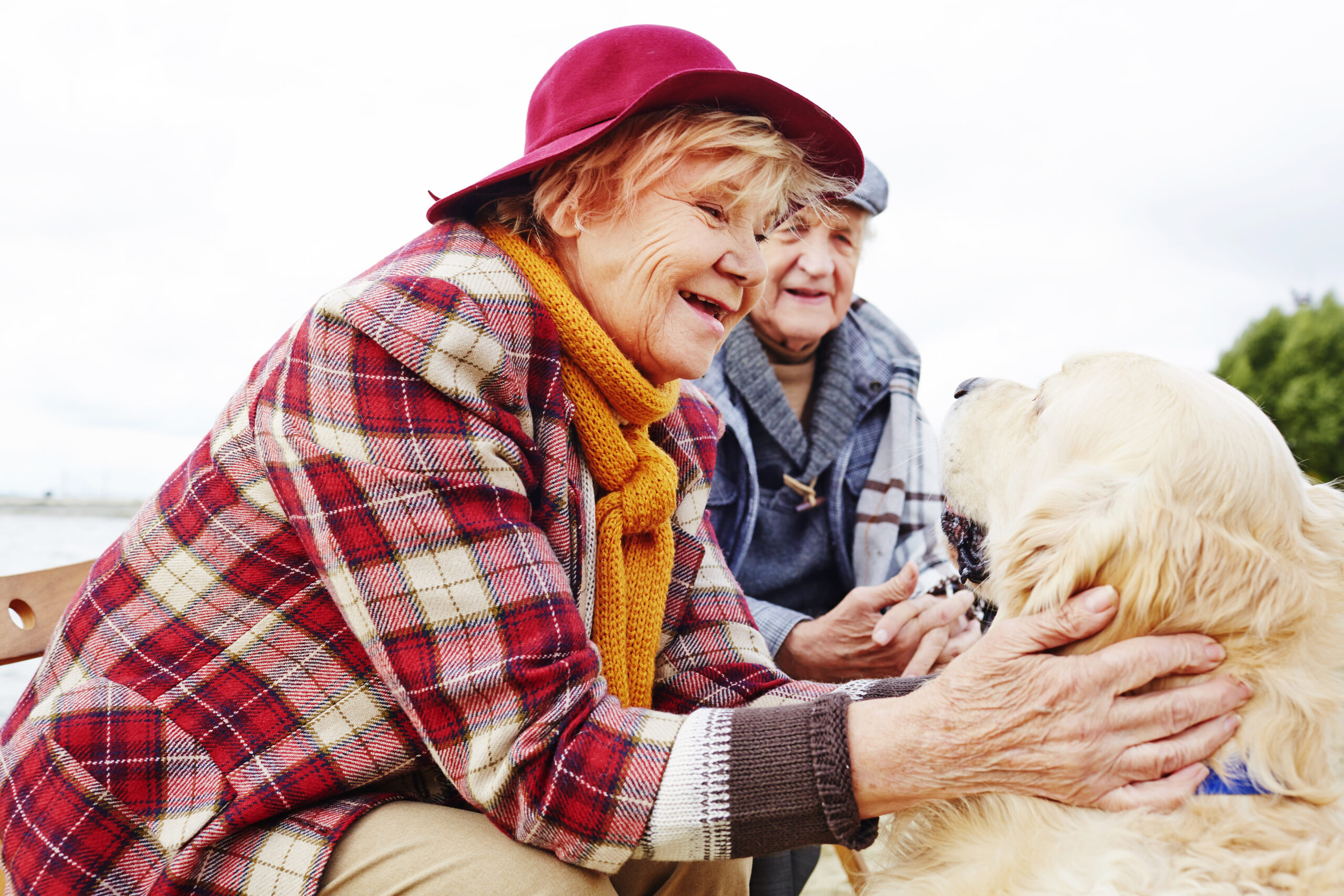
Studies confirm that interacting with animals improves the well-being of older adults. This is particularly evident among those who live alone or reside in long-term care facilities. Such activities reduce feelings of isolation and provide emotional support. The benefits of pet therapy for seniors include improved mood, reduced stress, and a stronger sense of connection.
What Pet Therapy Is and How It Works
Animal-assisted therapy incorporates animals into the therapeutic process. Under a specialist’s guidance, a person interacts regularly with an animal, which gradually improves their emotional state and mental health. This interaction can be active – such as through play or caregiving – or passive, such as observing the animal, like watching fish in an aquarium.
Why Pet Therapy Is Beneficial for Seniors
To better understand what is pet therapy for the elderly people, it’s worth learning about its main benefits. They encompass a range of aspects, from emotional to physical.
Emotional Benefits of Animal Interaction
The unconditional affection of animals provides strong emotional support for older adults, especially after the loss of a close partner. The pet therapy benefits for seniors are evident in the following ways:
- Reduced stress and anxiety. Interacting with animals lowers cortisol levels and increases serotonin levels, creating a sense of calm and joy.
- Combating loneliness. Interacting with a therapy animal helps overcome feelings of isolation, especially in long-term care facilities.
- Improving mood. Pets’ playful and affectionate behavior brings joy and creates moments of true happiness.
This kind of interaction makes life more fulfilling and emotionally stable.
Mental Health Benefits of Pet Therapy
Animal-assisted therapy serves as a form of psychological support that helps people cope with depression and anxiety. Interacting with animals fosters a sense of connection and reduces feelings of isolation. When interacting with pets, the body releases endorphins and oxytocin, which enhance feelings of joy and inner comfort. This interaction not only soothes but also encourages activity, promotes socialization, and develops the caregiving skills needed to restore emotional balance.
Physical Benefits of Pet Therapy for Older Adults
Pet therapy also offers physical benefits. Interacting with animals helps regulate the body’s condition and makes life more active. Here’s how it works:
- contact with pets can lower blood pressure and support heart function;
- caring for a pet or taking it for a walk encourages physical activity and improves motor skills;
- the presence of a pet distracts from chronic pain and provides a sense of relief.
As a result, it strengthens the body and provides a sense of comfort, combining health benefits with the pleasure of socializing.
Pet Therapy for Seniors With Cognitive Decline
For older adults with cognitive impairments, such as dementia or Alzheimer’s disease, interacting with animals can be a source of mental stimulation. Spending time with pets evokes memories, encourages conversations about the past, and helps maintain focus. The presence of an animal makes a person more focused and engaged in the present moment. Even simple actions, such as deciding how to feed a pet or how to interact with it, activate thought processes and support cognitive function.
Best Types of Pets for Seniors
What are the best pets for seniors? In each case, the specialists may recommend a different animal.
| Pet Type | Characteristics | Suitable For |
| Cats | Calm, low-maintenance, love a cozy environment | People who prefer a quiet home |
| Small dogs | Friendly, encourage walks, easy to train | Those who want more exercise |
| Fish | Calming to watch, minimal care | Elderly people with limited mobility |
| Birds | Lively, sociable, create a lively atmosphere | Those who appreciate sounds and interaction |
| Guinea pigs | Affectionate, easy to care for | People looking for easy interaction and care |
Dog therapy is considered the most popular form of therapy. Regardless of the type of animal, seniors are sure to notice positive effects under the guidance of specialists.
Safety and Responsibility Considerations
What is the best dog for seniors – is not the only important issue. The basic principles for using therapy animals should be simple and clear. The policy must include infection prevention measures and safety guidelines.
Hand hygiene is mandatory before and after contact with an animal. Animals do not visit patients in isolation. When interacting with a patient in bed, a disposable barrier is used and discarded after the visit. Animals are not allowed to lick people or themselves. Animals undergo examination and grooming before work.
For safety, animals are always kept on a leash and under the supervision of a specialist. They do not interact with patients when they are aggressive or agitated. Paws are not used for “handshakes” to prevent the transmission of microorganisms and skin damage.
Pet Therapy vs Pet Ownership
In addition to choosing the best dog for seniors, some people are considering getting a pet. This situation is different. If you want to take this step, you need to make sure you can care for your new family member. In some cases, this can be more challenging.
If you plan to delegate this task to a caregiver, clarify in advance whether they can take on this responsibility. Please note that an additional charge may apply.
FAQ
How do pets help older adults?
You can enjoy companionship with pets, reduce loneliness, and get emotional support, making life more fulfilling and peaceful.
Can interacting with animals strengthen relationships?
It can even strengthen relationships between people. Regular interaction fosters a strong bond, builds trust, and brings joy to everyday moments.
How do pets motivate older adults?
The presence of a pet provides motivation for physical activity, walks, and care, which supports physical and emotional health.
Does interacting with animals affect empathy?
Yes, pets foster empathy, teach care and attentiveness, and help people better understand others’ feelings.
How do animals help maintain a routine?
Caring for a pet establishes a routine, creates a daily structure, and helps maintain stability in an older adult’s life.