



Blog

Mobile featured image

All Blog Posts

All Blog Posts

copd and heart failure
Understanding the Connection Between COPD and Heart Failure

Chronic obstructive pulmonary disease and heart failure belong to different groups of diseases, but they can manifest themselves in similar ways. Both conditions often make it difficult for a person to breathe during exertion, whether climbing stairs, walking quickly, or engaging in any other physical activity. What Are COPD and Congestive Heart Failure? Chronic obstructive pulmonary disease is a long-term condition in which the airways become inflamed and gradually narrow. This makes it harder for air to pass through, making breathing difficult and causing a feeling of breathlessness that worsens over time. Heart failure, in turn, means that the heart is no longer able to pump blood as it should. When the pumping function weakens, tissues and organs receive less oxygen and nutrients, disrupting their normal functioning and causing a general deterioration in well-being. Shared Risk Factors Between COPD and Heart Failure The likelihood of developing COPD and heart failure increases with certain factors. Get to know them and fight those that are still present in your life. Smoking and environmental pollution Smoking is considered to be the main external factor that most often leads to the development of the disease. It is generally accepted that a long-term habit of smoking about a pack of cigarettes a day for approximately 15-20 years significantly increases the likelihood of developing persistent bronchial obstruction and negatively affects the cardiovascular system. Cardiovascular disease and hypertension The onset of disease is associated with heart disease and high blood pressure, as these conditions place additional strain on the blood vessels and impair tissue oxygenation. Here are some other factors that contribute to the deterioration of the condition: chronic cardiovascular diseases, including ischemic heart disease; arterial hypertension, causing structural changes in blood vessels and the heart; systemic inflammation, characteristic of both COPD and heart failure. These mechanisms reinforce each other: damage to blood vessels impairs blood supply to the lungs, and impaired ventilation in COPD increases the load on the heart. This results in a vicious circle in which both diseases progress more rapidly. Lifestyle, age, and genetic predisposition Internal factors contributing to the development of the disease include hereditary characteristics, epigenetic changes, and personal physiological predisposition. Although genetic factors are uncommon, their influence can be quite significant. One example is congenital α1-antitrypsin deficiency, a deficiency in a protein that protects lung tissue from damage by enzymes. A lack of this protein increases the risk of pathological changes in the respiratory system. How to Differentiate COPD and Heart Failure Symptoms When a person has both COPD and heart failure, it can be difficult to determine which condition is causing the symptoms. In such situations, a medical examination plays an important role: a specialist assesses the functioning of the heart and lungs, listens to the breath sounds, and checks the condition of the jugular veins – all of which help determine the source of shortness of breath. Additional information is provided by a chest X-ray. If the cause of the deterioration is heart failure, the image often shows signs of fluid accumulation in the lung tissue. Shortness of breath and respiratory patterns COPD and heart failure symptoms are similar. COPD usually manifests as a prolonged cough and characteristic wheezing on breathing. In both pathologies, shortness of breath typically occurs only during activity, but as the disease progresses, it can become bothersome even at rest. Fatigue, chest pain, and swelling Heart failure is often accompanied by additional symptoms that help to suspect that the problem is cardiac in nature. Some of the most characteristic symptoms include chest discomfort or pressure, as well as noticeable swelling of the feet and ankles. These symptoms occur because the heart is pumping blood less efficiently, fluid is retained in the tissues, and the blood supply is impaired. Key differences in progression and response to treatment Exacerbations of these two diseases manifest differently, and the nature of the deterioration often helps distinguish one condition from the other. With COPD, the deterioration in well-being usually occurs suddenly. Among the most common triggers of COPD and CHF exacerbations are: respiratory tract infections and exposure to irritants; changes in diet, especially excess salt intake; failure to take prescribed medications as directed. Worsening heart failure usually develops gradually. The body begins to retain fluid, edema appears, fatigue increases, and only then does shortness of breath develop. However, in both cases, the risk of exacerbations increases significantly if the person does not follow the prescribed treatment. Early Warning Signs You Shouldn’t Ignore The sooner you notice COPD heart failure symptoms, the better. They should not be ignored; instead, you should immediately consult a doctor and start treatment. Persistent cough or wheezing A persistent cough or wheezing while breathing may indicate ongoing inflammation or narrowing of the airways, making it difficult for air to pass through. This is not just temporary discomfort, so pay attention to this symptom. Difficulty breathing during rest Feeling short of breath when moving or trying to lie down often indicates poor heart function. When the heart muscle loses its ability to pump blood effectively, some fluid begins to accumulate in the lung tissue. This causes congestion, which makes breathing increasingly difficult. Swollen legs or ankles When the heart stops pumping blood effectively, fluid begins to accumulate in the lower extremities. As a result, the legs, ankles, and feet gradually increase in volume, and a feeling of heaviness and skin tightness develops. Rapid weight gain and fluid buildup A sudden, unexplained increase in body weight is often associated with fluid retention. Such weight gain can occur in just a few days and often indicates that the heart is no longer able to pump effectively, leading to fluid accumulation in the tissues. Can COPD Lead to Heart Failure? Many people are interested in – can COPD cause heart failure? According to various studies, COPD is quite common in people with chronic heart failure, affecting approximately a quarter or even a third of patients. Among COPD patients, heart failure with preserved ejection fraction is significantly more common, […]

Read more December 30, 2025
Understanding Chronic Disease Management and Its Importance for Seniors

Chronic diseases are not a death sentence, so you can get your life back on track and not despair. The main thing is to learn to live in new circumstances, maintaining both your physical and emotional well-being. What Is Chronic Disease Management? Chronic disease management is a long-term care plan that helps prevent complications and improve quality of life. It is compiled by professionals – medical staff, experienced caregivers, nutritionists, and others. Each home care plan is tailored to the needs and capabilities of a specific person. It can be changed if the person under care’s condition changes. Challenges of Living With Chronic Illness Chronic diseases in older adults change their lifestyle. According to research, 68.7% of such patients suffer from stress, and 51.1% from additional anxiety. In addition to emotional deterioration, they also negatively affect other aspects of life. Physical limitations and fatigue 95% of people with chronic illnesses rely on caregivers or relatives for help. They experience physical discomfort, which manifests itself in: limited mobility; poor sleep; pain and fatigue. The consequences depend on the type of disease. For example, mobility issues are observed in cases of arthritis or spinal problems. Emotional stress and mental health concerns The uncertainty and need to change old habits due to dealing with chronic illness cause anxiety and stress. Constant pain can lead to isolation and a cessation of active communication. This negatively affects self-esteem, mood, and feelings of joy in life. In the long term, this can lead to depression, so it is worth taking measures to prevent such outcomes. Medication routines and doctor appointments First, you have to understand what is chronic disease management, and ensure it. To maintain your well-being and prevent your symptoms from worsening, you need to undergo treatment. Seniors should always visit their doctors, get tested, and monitor their condition. If you are unable to take your medication on time by yourself, you can delegate this responsibility to a caregiver or family member who looks after you.  The importance of family and community support There is a strong connection between emotional state and human health. Patients with higher optimism tend to have better treatment outcomes. To feel comfortable, people with chronic illnesses need the support of their relatives. When they are around, the patient does not feel lonely, and their mood improves. Benefits of Managing Chronic Diseases at Home If you don’t know how to live with chronic illness, home care can help you cope. Having a caregiver’s support in familiar surroundings has its advantages. Benefits Details Personalized care It is easier to organize individual treatment plans that take into account the patient’s specific needs at home. Medical professionals and caregivers can tailor care to specific needs, including diet, physical activity, and symptom management. Independence All of the ward’s needs and desires are taken into account. They always have the right to choose, and the familiar home environment allows them to feel at ease. Cost-effectiveness Home care is often less expensive than a long stay in a hospital or specialized facility. It helps reduce hospitalization and transportation costs while maintaining a high level of medical support. Patients at home are more likely to adhere to their medication regimens and keep doctor appointments. This is due to the convenience and reduced stress compared to regular trips to the clinic. Practical Tips for Families Supporting Seniors With Chronic Conditions As you age, maintaining your health can become more difficult. By following all the rules and getting reliable support, you can stay calm and not compromise your physical condition. Encouraging medication adherence Effective treatment must be followed to prevent the disease from progressing. To do this, you need to consult a doctor, monitor and record your symptoms, as well as changes in your condition. Patients who take their medication without missing doses are less likely to be hospitalized. The main thing is not to self-medicate. Promoting physical activity and healthy habits You shouldn’t give up physical activities. At first, living with chronic illness may seem difficult, but it is worth trying relaxation and meditation techniques. They will reduce anxiety and help you switch gears.  Healthy habits should be maintained in any case. Go to bed early and get at least 9 hours of sleep. Eat right and monitor your water balance, calculating it based on your body weight. Recognizing early warning signs of complications If you suffer from a chronic illness, it is important to learn everything you can about it. Pay attention to the appearance of new symptoms, including: shortness of breath; severe fatigue; headaches and other types of pain; changes in blood sugar/blood pressure levels. Responding quickly to such signals will allow you to take immediate action. Thanks to this responsible approach, you can prevent more serious negative consequences. Keeping open communication with doctors and caregivers Doctors and nurses should provide you with a comprehensive, individualized treatment and care plan. You need to communicate with them regularly. If your health or symptoms change, let them know. If you have any questions, it is better to ask than to guess what to do and what medications to take. How Professional Caregivers Make a Difference Professional caregivers show compassion and share your daily life. With them, your home becomes comfortable – the food is healthy, you feel good, and there is always someone to talk to. In-home monitoring and regular health assessments Caregivers with medical training can provide healthcare. They can help measure vital signs, give injections, and monitor health. Also, they can go with you to medical facilities and keep track of your medical history. Assistance with nutrition, mobility, and hygiene If you are unable to manage everyday tasks, someone else will do them for you. A caregiver can check the freshness of food, cook, clean, and help you get around. They listen to their charges’ wishes and give them the opportunity to remain independent. Building trust and emotional connection The caregiver’s care goes beyond physical assistance. Compassion and attention build trust and reduce feelings of isolation. […]

Read more December 29, 2025
Steps for Creating and Maintaining a Care Plan

When loved ones get older, they may need extra assistance. Families may consider developing a care plan to ensure their needs are met. The plan should outline a basic routine for meal planning, cleaning, transportation, and other daily tasks. A family caregiver, inexperienced in elderly care, may not know where to start. This article will provide the guidance you need. What are the Benefits of Creating a Care Plan for Your Loved One? The importance of care planning should not be overlooked. It provides the following advantages: Produces a Sense of Calm: Anxiety is a common problem in older adults. A daily routine is beneficial, producing a sense of calm. Personalised Approach: Plans are typically created after carefully assessing a loved one’s needs, ensuring an approach that supports personalisation. Ensures Teamwork: The plan serves as a guide that multiple caregivers can follow. It allows duties to be split among relatives, friends, and professionals, ensuring a seamless care cycle. How to Create a Plan for Your Aged Loved Ones Here are some tips to consider. Make it Personalized Caregivers must consider that no two care plans are alike. They must be individualised to their loved one’s needs. For example, a loved one with a chronic medical condition, like dementia, cancer, or diabetes, may require a specific approach considering their medications and health needs. The caregiver must also consider the patient’s personality and the things they like to do when they create a schedule. Setting Up a Daily Routine Next, they should create a daily routine as a template for the individual’s day. They should work on the development of plans that include mealtimes, social activities, time for hobbies, and physical activity. This can be worked out after carefully assessing the person’s needs to ensure nothing is overlooked. Of course, plans can vary somewhat due to special events, doctors’ appointments, or to keep things interesting. However, regularity can be beneficial in reducing anxiety and ensuring all needs are met. Create Documentation Caring for a loved one can be difficult. Often, families will split duties among a team for additional support. Coordination is necessary. In these instances, the family may consider creating a guide that outlines the loved one’s routine, whether that means writing it down or storing it on a smart device. The document should be editable so it can be updated as the loved one’s personalised needs change. This step keeps everyone in the home care team on the same page. Home Advantage Can Help You Develop a Personal Care Plan Creating a routine is essential in care management, but necessary items can be overlooked if you are new to caregiving. The team at Home Advantage can provide professional guidance. Home Advantage offers over 30 years of experience in the home care industry. We can assess your loved one’s needs and help families make a plan. Our team can also actively assist with the care plan cycle, offering skilled NHS nursing, advanced and specialized care, and hospital-to-home transitions. Contact us to learn how we can help your loved one achieve a higher quality of life. FAQs What are the 5 steps in the care planning process? According to a nursing process developed in 1958, which still guides nursing care today, the five steps in the care planning process include assessment, diagnosis, planning, implementation, and evaluation. What is a care plan chart? Families and professional caregivers may write a care plan chart outlining the purpose of care and the patient’s planned medical, nursing, and health activities. What is the best format for a care plan? Care plans typically follow a three- or five-column format. Three-column formats are simple and effective, dividing the plan into diagnosis, interventions, and outcomes/evaluations. A three-column format is more detailed and includes assessment, diagnosis, goals, outcomes, and interventions.

Read more November 15, 2025
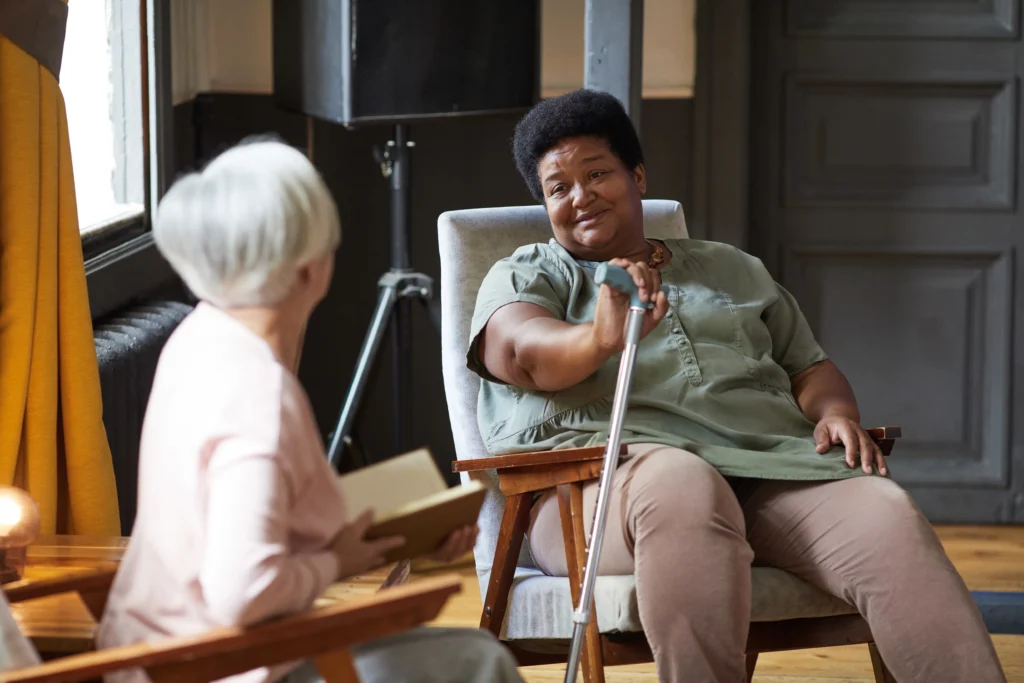
Senior woman using a cane talking with a friend in a cozy living room while receiving emotional support
Recognizing Health Conditions that Require Home Care Support

For many families, deciding whether their loved one needs home care can be a difficult and emotional process. Some health problems can be managed independently, while others require more structured care, monitoring, and medical oversight. Understanding which conditions and situations may qualify for in-home assistance is important for making sure patients receive the right treatment and support in a safe environment. This guide will help identify common and complex health conditions that often benefit from home care services, along with examples of how agencies provide assistance, education, and medical plans tailored to patients’ needs. What is home care support?  Home care, sometimes called in-home care or home health, refers to professional medical or personal assistance that’s provided to the patient in their residence rather than in a hospital or nursing facility. Depending on the type of service, it may include skilled nursing, chronic disease management, daily living support, or preventive care. These services are designed to help patients recover, stabilize, or maintain their health while staying in familiar surroundings. Sometimes, in-home assistance is also referred to as aging in place, as it enables seniors to remain in their homes while receiving support for ongoing concerns.  Family members can care for their loved ones at home, but home care is generally more structured. Caregiving agencies coordinate with doctors, family members, and other resources to ensure a patient’s care plan is customized. Services provided can range from memory care to medication management and daily hygiene. Medicaid and other insurance programs may cover qualifying conditions, depending on the diagnosis and level of assistance needed. Common examples of conditions requiring home care There are many illnesses and situations where in-home care is recommended. Here are some of the most common conditions and types of health problems that may require professional support: Chronic diseases. Patients with health issues like diabetes, heart disease, COPD, or arthritis often need regular monitoring and treatment. For example, an aide may assist with insulin injections, blood sugar checks, and patient education to prevent complications. Life-threatening or complex illnesses. Conditions such as cancer or advanced neurological disorders may require palliative or hospice care at home to keep patients comfortable while receiving medicine and emotional support. Post-hospital recovery. After surgery, stroke, or other serious medical issues, many patients need assistance to regain independence. In-home nursing services help monitor recovery, provide therapy, and prevent re-hospitalization. Elderly care. Aging parents with physical or cognitive decline may require daily support. Caregivers can provide meal preparation, mobility help, safety monitoring, and companionship to reduce the burden on family members. Mental health and memory conditions. Depression, dementia, and anxiety may not always seem like qualifying problems for in-home caregiving, but these diagnoses often lead to situations where patients need consistent guidance, medication management, and supervision. How to know when home care is needed Recognizing the signs that your family member requires structured caregiving support at home can be challenging, especially if you don’t spend a lot of time with your loved one. Here is what to look out for:  Forgetting to take their medications or struggling to manage medication schedules Difficulty performing basic daily tasks such as showering, grocery shopping, or cleaning  Fatigue or worsening of chronic illness symptoms Frequent hospital visits or readmissions Signs of being overwhelmed by treatment or recovery at home When these things begin to occur, it is important to seek professional evaluation. A doctor or care agency can assess your loved one’s medical needs, create an order for care at home, and design a preventive service plan to help get them back on track. Types of home care services provided Caregiving agencies offer a wide list of services that can be tailored to the diagnosis and needs of the patient. Agencies have a roster of professional caregivers who can offer support, but some allow family members to get paid for caregiving. Home care services may include: Skilled nursing. Administration of medicine, wound care, insulin injections, or IV therapy.  Monitoring and education. Helping patients and families understand conditions, treatment options, and preventive steps. Physical and occupational therapy. Assisting with mobility, recovery, and strength-building exercises. Personal aide assistance. Support with hygiene, meals, and daily tasks. Preventive and primary care support. Education and monitoring help identify issues early, reducing the risk of worsening conditions. The role of agencies in providing support Agencies are essential in bridging the gap between hospital care and home recovery. They ensure patients are not left alone to manage complex medical problems without guidance. By coordinating with doctors and providing professional, certified services, agencies reduce stress for families and improve long-term health outcomes. Each patient’s plan is individualized, meaning that two people with the same disease may still receive different types of care, depending on their situation. For example, one diabetes patient may only need insulin administration and blood sugar monitoring, while another may need full-time assistance due to related complications. How to get the right care in the right environment Support at home is not just about convenience. It’s often a medical necessity for patients facing chronic or serious acute conditions. Whether caring for elderly parents, managing a complex illness, or supporting recovery after hospitalization, in-home services provide the structure and monitoring needed to improve health outcomes. By learning to identify which conditions and diagnoses qualify for this type of care, families can make informed choices and ensure their loved ones receive the support they need. With proper treatment plans, professional assistance, and preventive strategies, seniors can live safely and comfortably at home while still getting all the support they need.  Commonly asked questions about how to know when it’s time for home care What health conditions typically require home care support? Common conditions include chronic diseases like diabetes and heart disease, post-surgery recovery, advanced neurological disorders, memory issues such as dementia, and elderly care needs requiring daily assistance or supervision. How do I know if my loved one needs home care? Signs include difficulty managing medications, trouble with daily tasks, frequent hospital visits, worsening chronic symptoms, and signs […]

Read more September 11, 2025
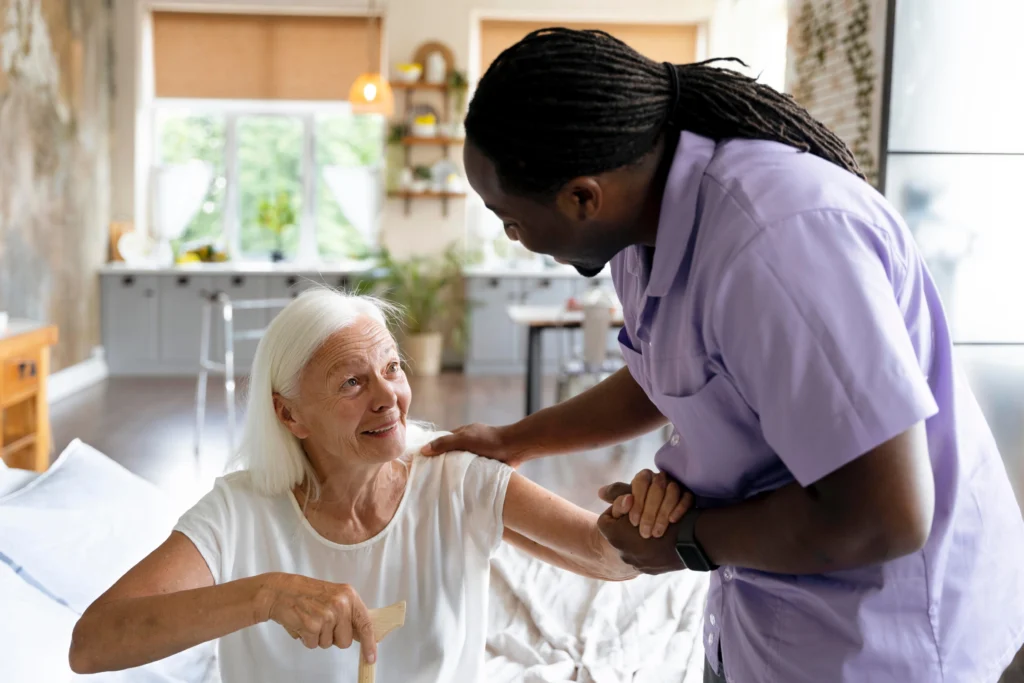
home care aide assisting elderly woman at home with compassion
Real Help for Real Needs: How an HHA Agency in Miami Tailors Every Care Plan

When families are considering care options for their loved ones, they’re thinking about more than just checking boxes. Most want to find a service that truly understands their loved one’s needs and will take steps to improve their quality of life. At Home Advantage, we believe that every individual deserves care that’s not only high-quality but also highly personal. That’s why our home health agency (HHA) in Miami takes a custom approach to every care plan we build. We know that no two clients are the same. Whether someone needs help recovering after surgery or long-term support for managing a chronic condition, our team works closely with each family to design a plan that fits because when it comes to recovery, nothing should be cookie-cutter, rushed, or less than thoughtful. What makes our HHA agency in Miami different? Did you know that less than half of people aged 50 and above think they will need long-term care when they’re older? Which means that when the time comes for care, most seniors have likely done little research or preparation.  This can make the process overwhelming, as it’s challenging to figure out exactly what your loved one does or doesn’t need. But at the core of our approach is flexibility. As a trusted HHA agency in Miami, we’re not married to one way of doing things. Instead, we work to understand the whole picture of a client’s health, lifestyle, and goals; this includes medical needs, home environment, and family involvement. Before we even begin care, we take time to learn about the person we are caring for, their family members, and their clinical care plan. This allows us to match clients with the right caregiver, from home health aides to certified nurses or specialized professionals, and set expectations everyone can feel good about. Our team comprises a range of certified professionals who are trained to support clients in various tasks, including personal hygiene and mobility assistance, medication reminders, and light housekeeping. But what sets our aides apart is how they listen. They pay attention not just to what the client needs, but also to how they want to be helped. That subtle shift is what makes our care feel empowering, not invasive or interruptive. A personalized process from the start From the first conversation with our intake coordinator to the day a caregiver arrives, Home Advantage emphasizes clarity and comfort for everyone involved. We begin with a comprehensive in-home assessment, during which we meet with the client and their family to understand their medical requirements, daily challenges, and personal preferences. This evaluation allows our HHA agency in Miami to: Identify the right level of care (short-term or long-term) Pair the client with a caregiver whose personality and skills align Create a plan that supports both independence and safety Families are included in every step, along with valuable insights and instructions from healthcare providers. Whether families live in the same home or out of state, or clinical care is received locally or remotely, we make communication easy and ongoing so your loved one receives care that meets everyone’s expectations, and everyone will always be informed about their progress. Adapting care plans as life changes One thing we’ve learned from years of experience is that care needs can and should evolve over time. A plan that works today might need to be adjusted in a few months. That’s why we create our care plans as living documents, rather than setting them in stone. They’re regularly reviewed and updated based on the client’s progress, the family’s well-being, and any new medical information from providers. Our HHA agency in Miami is proud to partner with nurses, therapists, and doctors to ensure coordination and continuity of care across all levels. That means fewer gaps, less confusion, and better outcomes for the people we serve. Support that goes beyond tasks What many people don’t realize until they experience it firsthand is how much a good Home Health Aide (HHA) brings to a home beyond physical support. Our caregivers build relationships. They offer companionship, encouragement, and consistency. They create routines that bring stability to uncertain times and help patients feel that they’re not alone. We’ve seen time and again how a strong caregiver-client relationship boosts not only recovery but also mood and confidence, which can positively impact overall health. At Home Advantage, we see these moments every day, and we know they make all the difference. Choosing an HHA agency in Miami for a care partner, you can trust In a city as large as Miami, there are many choices for home health support. However, if you’re seeking an agency that will treat your family like its own, listen attentively without rushing, and provide flexible, thoughtful service, Home Advantage is here to help. As a leading HHA agency in Miami, our focus is always on real help for real people. That means care that respects individuality, honors dignity, and grows with you over time. If someone you love needs dependable, personalized support at home, we’re ready to help.  Contact Home Advantage today to schedule your in-home assessment and discover more about our customized care plans, carefully crafted with compassion and expertise.

Read more July 22, 2025
-
Tags
24-hour care aging aging and health aging at home Alzheimer's Alzheimer's disease balanced diet brain function calcium cardiovascular health care care plan care routine caregiver caregiver guide caregiver respite caregiver support caregiving caregiving for seniors chronic conditions chronic disease management chronic illness chronic illness care chronic illness support cognitive health comorbid conditions COPD custom home care miami daily living help dementia dietary supplements disease progression elder care decisions elder care support elderly care elderly care miami elderly health elderly wellness emotional support family bonding family caregiving family support fiber flexible care plans forgetfulness geriatric care growth healthcare services healthy aging heart failure hha agency miami holistic care home care home care planning home care services home care support home health care miami hydration improvement in-home assistance in-home care in-home care miami insurance coverage life medication management medication reminders memory care memory loss mental health mental health for seniors metabolism miami hha services miami home care muscle mass neurology nursing home nutrient deficiency opinion pain management palliative care patient advocacy personalized care plan personalized care plans prescription help protein intake quality of life red flags respiratory health senior care senior care services senior care tips senior health senior nutrition senior safety senior wellness spiritual care symptom monitoring
Recent Posts
Diabetes Management for Seniors at Home: How Families and Caregivers Can Keep Blood Sugar Under Control

Managing diabetes at home takes daily attention, and for older adults it can be even more delicate. Blood sugar can swing more easily, warning signs can be harder to spot, and other health conditions often complicate the picture. With the right routine and support, families and caregivers can help a senior loved one stay safer and more comfortable. This guide covers the practical side of diabetes management for seniors, from checking glucose to meal planning and foot care. It also explains how skilled home health can help. For families in Miami-Dade and Broward Counties, physician-ordered diabetes care at home provides professional support tailored to your loved one’s needs. Home health care simply means skilled medical services delivered in the home when they are needed. It is provided with a physician’s orders and coordination, and it works alongside your loved one’s doctors rather than replacing them. Always follow the specific guidance of your loved one’s physician and care team. Key Takeaways Older adults are more prone to blood sugar swings and may show unusual warning signs. Blood sugar and A1C targets are individualized; the physician sets the right goals for each person. Low blood sugar (hypoglycemia) can be especially dangerous for seniors and may look like confusion. Daily habits like monitoring, balanced meals, and foot care make a real difference. Skilled home health nurses, guided by a physician, can support diabetes care across Miami-Dade and Broward Counties. How Diabetes Changes After 65 Diabetes often behaves differently in older adults. The body may respond more slowly to changes in blood sugar, and the usual warning signs can be blunted or mistaken for other issues. Seniors are also more likely to have several health conditions at once, take multiple medications, and experience changes in appetite, kidney function, or memory, all of which affect diabetes care. Because of this, managing diabetes after 65 is less about strict numbers and more about safety, consistency, and quality of life. A plan that fits your loved one’s overall health, set by their physician, matters more than a one-size-fits-all approach. Blood Sugar Targets for Older Adults There is no single right number for everyone. For many older adults, doctors set slightly more relaxed blood sugar and A1C goals than they would for younger people, to lower the risk of dangerous lows. For a healthier, active senior, a tighter target may be appropriate; for someone frail or with several conditions, a gentler goal is often safer. The key takeaway for families is simple: ask the physician what targets are right for your loved one, and use those as your guide. Do not compare against general numbers you may read elsewhere, since individual goals vary. Hypoglycemia: The Bigger Danger for Seniors For older adults, low blood sugar, or hypoglycemia, is often more dangerous than high blood sugar. It can come on quickly and lead to falls, confusion, or more serious problems. Knowing how to recognize and respond to it is one of the most important parts of home diabetes care. Common signs of low blood sugar include shakiness, sweating, dizziness, sudden hunger, weakness, irritability, or a fast heartbeat. If your loved one’s care plan allows, treating a mild low usually involves a fast-acting sugar source, followed by a snack, then rechecking. Always follow the specific instructions from your loved one’s physician, and seek emergency help if the person cannot safely swallow, becomes unresponsive, or does not improve. Warning Signs That Look Like Confusion In seniors, low blood sugar can look like confusion, drowsiness, slurred speech, or unusual behavior, and it is sometimes mistaken for memory problems or simply “having an off day.” This is especially tricky when a loved one also has dementia. If a senior with diabetes suddenly seems confused or not themselves, checking blood sugar is a smart first step, when it is safe to do so. Sharing these episodes with the physician helps the care team adjust the plan and keep your loved one safer. Hyperglycemia and When It Becomes an Emergency High blood sugar, or hyperglycemia, tends to develop more gradually. Signs can include increased thirst, frequent urination, fatigue, blurred vision, and headaches. Ongoing high blood sugar should be reported to the physician so the plan can be adjusted. Very high blood sugar can become a medical emergency, especially with symptoms like severe weakness, confusion, rapid breathing, fruity-smelling breath, nausea, or vomiting. If these appear, seek emergency medical care right away. When in doubt about a serious change, it is always safest to call for help. Checking Glucose at Home Regular monitoring is the foundation of home diabetes care. It shows how food, activity, and medication affect blood sugar and helps the care team make good decisions. How often to check is set by the physician and depends on the person’s treatment plan. Glucometers vs. Continuous Glucose Monitors A traditional glucometer uses a small finger-stick blood sample to give a single reading. It is affordable and widely used. A continuous glucose monitor, or CGM, uses a small sensor worn on the body to track glucose throughout the day and can alert to highs and lows. Each has benefits, and the right choice depends on your loved one’s needs, abilities, and the physician’s recommendation. Whichever tool is used, keeping a simple log of readings helps you spot patterns and share useful information with the care team. Insulin at Home: Storage, Timing, and Common Mistakes For seniors who use insulin, small details matter. Insulin should be stored according to the manufacturer’s and pharmacist’s instructions, which usually means keeping unopened supplies refrigerated and protecting it from heat and freezing. This is especially important in Florida’s climate and during power outages. Common challenges include missed or doubled doses, confusion between different insulin types, and timing doses with meals. Never adjust insulin doses on your own; always follow the physician’s orders exactly. If you are unsure about timing, storage, or technique, ask the care team, who can review it with you and help prevent mistakes. Meal Planning That Works for […]

Hurricane Preparedness for Seniors in Miami: A Complete Plan for Homebound Adults and Their Families

Hurricane season in South Florida is a serious reality, and older adults face greater risks than most. For seniors who are homebound, rely on medical equipment, or live with memory changes, a clear plan made well in advance can be lifesaving. This guide walks families through practical hurricane preparedness for seniors in Miami-Dade and Broward Counties, step by step. For families caring for a loved one with memory changes, planning ahead is especially important, since storms and evacuations can be confusing and frightening. Physician-coordinated Alzheimer’s and dementia care can help provide steady, familiar support at home before and after a storm. Home health care simply means skilled medical services delivered in the home when they are needed. It is provided with a physician’s orders and coordination, and it works alongside your loved one’s doctors rather than replacing them. Key Takeaways Older adults face higher risks during hurricanes, especially those who are homebound or depend on medical equipment. Know your evacuation zone and make a plan before a storm is ever named. Miami-Dade and Broward Counties both offer registries and special needs shelter programs for eligible residents. Build a senior hurricane kit with at least a 14-day supply of medications, medical documents, and essential aids. Plan ahead for power-dependent equipment and keep long-distance family in the loop. Why Hurricanes Are More Dangerous for Older Adults Seniors are more vulnerable during hurricanes for several reasons. Limited mobility can make evacuation difficult. Chronic conditions may require medications, refrigeration, or electricity-dependent equipment. Heat and humidity after a power outage can be dangerous, raising the risk of dehydration and heat-related illness. Memory changes add another layer of challenge, as disruption to routine and surroundings can cause confusion and distress. Because of these risks, older adults and their families should prepare earlier and more thoroughly than the average household. Know Your Evacuation Zone Before a Storm Is Named The single most important first step is knowing whether your loved one lives in an evacuation zone. Both Miami-Dade and Broward Counties publish evacuation zone maps on their official websites, searchable by address. Do this now, before hurricane season is underway. If your loved one is in an evacuation zone, decide in advance where they will go. The best option is usually to stay with family or friends in a safe, sturdy home outside the evacuation zone. Public shelters should be considered a refuge of last resort. Also plan how your loved one will get there, since transportation during an evacuation can be difficult to arrange at the last minute. Registering for Miami-Dade’s Emergency and Evacuation Assistance Program Miami-Dade County offers the Emergency & Evacuation Assistance Program (EEAP), which provides free evacuation assistance to eligible residents who need specialized transportation and/or sheltering, or who would like to receive a wellness call after a disaster. Residents who may require medical monitoring, help with daily living, or who rely on life-saving medical equipment that depends on electricity are encouraged to register before an emergency, and pre-registered residents receive priority. A few important details for families: You only need to apply once to become a lifelong member of the program, though you should report any changes to your information over time. You can register online, or call 311 to have an application mailed in English, Spanish, or Haitian Creole. You can also call the EEAP Support Line at 305-513-7700 or email EEAP@MiamiDade.gov. Residents of nursing homes, assisted living facilities, or group homes are not eligible, since those facilities are required by law to have their own emergency plans. Register early. Registration closes before an evacuation order is announced, so do not wait until a storm is approaching. Special Needs Shelters: Who Qualifies and What to Bring A special needs shelter is for a person who needs a higher level of care than a general population shelter can provide, but who does not require hospitalization. These shelters offer basic medical assistance and monitoring, are staffed by qualified medical personnel, and have back-up power for limited lighting and essential medical equipment. In Broward County, pre-registration is handled through the county’s programs. Residents who depend on electricity for medical needs or who have a condition that cannot be supported at a general population shelter are encouraged to pre-register for Broward County’s Special Needs Emergency Sheltering and Transportation Program by contacting the Broward County Emergency Management Division. Broward also maintains a separate Vulnerable Population Registry for residents who are at risk due to disability, frailty, or health issues and who plan to stay home; it is used for planning purposes and is not a guarantee of assistance. Importantly, the Vulnerable Population Registry does not automatically register you for a special needs shelter or evacuation transportation, so register for each separately if needed. If your loved one goes to a special needs shelter, bring their medications, medical supplies, and current medical information. A caregiver is encouraged to accompany them, since shelters provide basic assistance rather than full personal care. Building a Senior Hurricane Kit A well-stocked kit reduces stress and keeps essentials in one place. Along with standard supplies like water, non-perishable food, flashlights, and batteries, seniors have specific needs to plan for. Medications and a 14-Day Supply Aim to keep at least a 14-day supply of all medications on hand during hurricane season. Ask the physician or pharmacist about early refills before a storm. Keep a written, up-to-date list of all medications, doses, and prescribing doctors. For medications that need refrigeration, such as insulin, plan ahead for how they will stay cool during a power outage using coolers and ice. Medical Documents and Care Plan Copies Gather copies of important documents in a waterproof bag or folder: insurance and Medicare cards, photo ID, a list of medical conditions and allergies, physician contact information, and copies of the home health care plan. Having these ready saves precious time in an emergency and helps any caregiver or provider step in quickly. Mobility Aids, Hearing Aids, and Glasses Do not overlook the everyday items your loved one […]

Signs a Healing Wound May Need Professional Attention

Most minor wounds heal on their own with basic care. But sometimes a wound does not heal the way it should, and knowing the difference matters. Catching problems early can prevent complications and support better healing. This guide explains what normal healing looks like, the signs of wound infection to watch for, and when to seek help. For families in Miami-Dade and Broward Counties, physician-ordered wound care at home provides skilled support when a wound needs closer attention. Home health care simply means skilled medical services delivered in the home when they are needed. It is provided with a physician’s orders and coordination, and it works alongside your loved one’s doctors rather than replacing them. Key Takeaways Normal wound healing moves through predictable stages and steadily improves over time. Warning signs include increasing redness, warmth, swelling, pain, or unusual drainage. A fever or spreading redness may point to a wound infection that needs prompt care. Older adults and people with diabetes may need closer wound monitoring. Skilled wound care at home, guided by a physician, is available across Miami-Dade and Broward Counties. What Does Normal Wound Healing Look Like? Healthy wound healing usually follows a steady, predictable path. In the first days, some redness, mild swelling, and a little clear or slightly yellow drainage are normal as the body begins to repair itself. Over time, the wound should start to close, and discomfort should gradually ease. As healing continues, new tissue forms and the edges of the wound draw together. A wound that is healing well looks a little better each week, not worse. If the opposite happens, it may be a sign that the wound needs professional attention. How Long Does It Take for a Wound to Heal? Healing time depends on the type and size of the wound, along with a person’s overall health. Minor cuts and scrapes often heal within a week or two, while surgical wounds or deeper wounds can take several weeks or longer. Certain factors can slow healing, including age, diabetes, poor circulation, and limited nutrition. If a wound is not improving within the expected timeframe, it is worth checking in with a healthcare professional. Signs a Wound May Not Be Healing Properly A wound should improve over time. These signs suggest it may not be healing as it should and may need a closer look. Increasing redness, warmth, swelling, or pain Some redness and mild swelling are normal early on, but they should fade as healing progresses. Redness that spreads, warmth around the wound, increasing swelling, or pain that worsens rather than improves can all be warning signs worth reporting to a doctor. Drainage, odor, or changes in wound appearance Watch for thick, cloudy, yellow, or green drainage, a foul odor, or a wound that looks worse over time. Bleeding that will not stop, or a wound that reopens, also deserves prompt attention. These changes can signal a problem that needs professional care. Symptoms That May Point to a Wound Infection An infection can develop even with careful home care. Contact a healthcare professional promptly if you notice: Spreading or increasing redness around the wound. Warmth, swelling, or growing pain at the site. Pus or thick, discolored drainage. A foul odor coming from the wound. Fever, chills, or generally feeling unwell. A fever combined with wound changes is an especially important sign that should not be ignored. When to Contact a Doctor or Wound Care Professional It is always better to check than to wait when you are unsure. Reach out to a doctor or wound care professional if a wound: Is not improving or is getting worse after several days. Shows signs of possible infection, such as those listed above. Was caused by something dirty, rusty, or a bite. Is deep, large, or has edges that will not stay closed. Belongs to someone with diabetes, poor circulation, or a weakened immune system. A professional can assess the wound, guide treatment, and help prevent complications. When a Wound Requires Urgent Medical Attention Some situations call for immediate care. Seek urgent medical attention if there is heavy bleeding that will not stop, a deep or gaping wound, signs of a rapidly spreading infection, a high fever, or confusion. When in doubt about a serious wound, it is safest to seek emergency care right away. Why Older Adults May Need Closer Wound Monitoring Wounds can heal more slowly in older adults, and small problems can become serious more quickly. Thinner skin, reduced circulation, chronic conditions like diabetes, and pressure sores from limited mobility all make careful monitoring important. For seniors, physician-ordered elderly care at home can include skilled wound care, regular monitoring, and caregiver education to help catch concerns early. These services are designed to help manage wounds safely and support healing, working alongside your loved one’s doctors. Basic Tips for Supporting Wound Healing at Home Alongside professional care, these general steps can help support healing. Always follow the specific instructions from your loved one’s physician or care team. Keep the wound clean and follow dressing-change instructions carefully. Wash hands before and after touching the wound or dressing. Watch the wound daily for any changes and note what you see. Support good nutrition and hydration to aid healing. Avoid pressure on the area, and reposition regularly if mobility is limited. Contact the care team promptly if anything looks concerning. AI Summary This article explains the signs that a healing wound may need professional attention. Normal wound healing follows predictable stages and improves steadily, while warning signs such as spreading redness, warmth, increasing swelling or pain, unusual drainage, or a foul odor may indicate a problem. A fever combined with wound changes can point to infection and needs prompt care. Older adults and people with diabetes or poor circulation may heal more slowly and benefit from closer monitoring. When a physician orders it, skilled wound care at home — including monitoring, dressing changes, and caregiver education — can help manage wounds safely and support healing.

How In-Home Physical Therapy Helps Seniors Regain Strength After a Hospital Stay

A hospital stay can take a real toll on the body, especially for older adults. After days in bed, even simple movements like standing, walking, or climbing stairs can feel harder than before. The good news is that with the right support, seniors can rebuild strength and confidence at home. Physician-ordered physical therapy at home helps seniors in Miami-Dade and Broward Counties recover safely in familiar surroundings. Home health care simply means skilled medical services delivered in the home when they are needed. It is provided with a physician’s orders and coordination, and it works alongside your loved one’s doctors rather than replacing them. Key Takeaways Bed rest during a hospital stay can quickly weaken muscles and affect balance and mobility. In-home physical therapy helps seniors regain strength, mobility, and confidence in familiar surroundings. Therapy focuses on safe, gradual exercises tailored to each person’s goals and abilities. Physical therapy can help reduce fall risk and support a safer recovery. Skilled home health care, guided by a physician, is available across Miami-Dade and Broward Counties.   Why Seniors May Feel Weaker After a Hospital Stay Extended bed rest during a hospital stay leads to a surprisingly fast loss of muscle strength. Even a few days of reduced activity can leave older adults feeling weak, unsteady, and tired. This is sometimes called deconditioning, and it can affect balance, mobility, and confidence. Weakness after hospitalization also raises the risk of falls and can make everyday tasks harder. Physical therapy helps address these changes safely, so recovery moves in the right direction. What Is In-Home Physical Therapy? In-home physical therapy is skilled rehabilitation care provided by a licensed physical therapist in the comfort of a person’s home. When ordered by a physician, it brings professional recovery support directly to your loved one, without the need to travel to a clinic. A therapist assesses your loved one’s strength, balance, and mobility, then creates a personalized plan. Care is coordinated with the physician and adjusted over time as your loved one progresses. How Physical Therapy Supports Recovery at Home Recovering at home offers real advantages. Familiar surroundings can ease stress, and therapy in the actual living space helps your loved one practice the movements that matter most in daily life. Improving strength, balance, and mobility A physical therapist uses targeted exercises to rebuild muscle strength, improve balance, and restore range of motion. Practicing in the home means working on real challenges, like getting up from a favorite chair or moving safely through a hallway. Building confidence with everyday movement Weakness after a hospital stay often affects confidence as much as the body. Gentle, guided progress helps your loved one feel steadier and more independent with everyday movement, from standing and walking to safe transfers. Common Goals of Physical Therapy for Seniors Every plan is personalized, but common physical therapy goals for seniors include: Rebuilding muscle strength and endurance. Improving balance and reducing fall risk. Restoring safe, independent walking and movement. Increasing range of motion and flexibility. Supporting a safe return to daily activities and routines. Exercises and Activities a Physical Therapist May Recommend A therapist chooses exercises based on your loved one’s abilities and goals, always at a safe, comfortable pace. Physical therapy exercises for seniors may include: Gentle leg-strengthening exercises, such as seated leg lifts or sit-to-stand practice. Balance activities, like standing with support or weight shifting. Gait training to improve safe, steady walking. Range-of-motion movements for the arms, legs, and joints. Practice with transfers, such as moving from bed to chair safely. Guidance on using mobility aids like a walker or cane correctly. These activities should always be done under the guidance of a licensed therapist, following the physician’s plan, to keep recovery safe. How Physical Therapy Can Help Reduce Fall Risk Falls are a serious concern for older adults, especially after a hospital stay. Physical therapy helps reduce fall risk by strengthening the muscles that support balance, improving coordination, and building steadier walking patterns. A therapist can also spot safety concerns and recommend adjustments, such as practicing transfers or suggesting mobility aids. Together, these steps help your loved one move more safely and confidently at home. When a Senior May Benefit From Physical Therapy at Home Physical therapy at home may help when a senior: Feels weaker or less steady after a hospital stay or surgery. Has trouble walking, balancing, or getting up from a chair. Is recovering from a fall, injury, or illness. Wants to rebuild strength and independence safely. Has a physician’s recommendation for skilled rehabilitation at home. If any of these sound familiar, talk with your loved one’s physician about whether home-based physical therapy is a good fit. How Family Caregivers Can Support Recovery Family caregivers play an important role in recovery. You can encourage your loved one, help them stick to the therapy plan, and create a safe space to practice. When discomfort is part of recovery, physician-coordinated pain management can help your loved one stay comfortable enough to keep making progress. Simple ways to help include clearing walkways to prevent falls, offering gentle encouragement, celebrating small wins, and keeping the care team informed about how your loved one is doing. Your support, combined with skilled care, helps recovery stay on track. AI Summary This article explains how in-home physical therapy helps seniors regain strength after a hospital stay. Extended bed rest can quickly weaken muscles and affect balance, mobility, and confidence, raising the risk of falls. In-home physical therapy, provided by a licensed therapist under a physician’s orders, uses personalized exercises to rebuild strength, improve balance, restore mobility, and reduce fall risk in familiar surroundings. The article outlines common therapy goals, sample exercises such as gait training and leg strengthening, and signs a senior may benefit. Family caregivers can support recovery by encouraging their loved one and keeping the space safe. Home Advantage Home Health serves Miami-Dade and Broward Counties and can help verify Medicare, Medicaid, and Medicare Advantage benefits.