

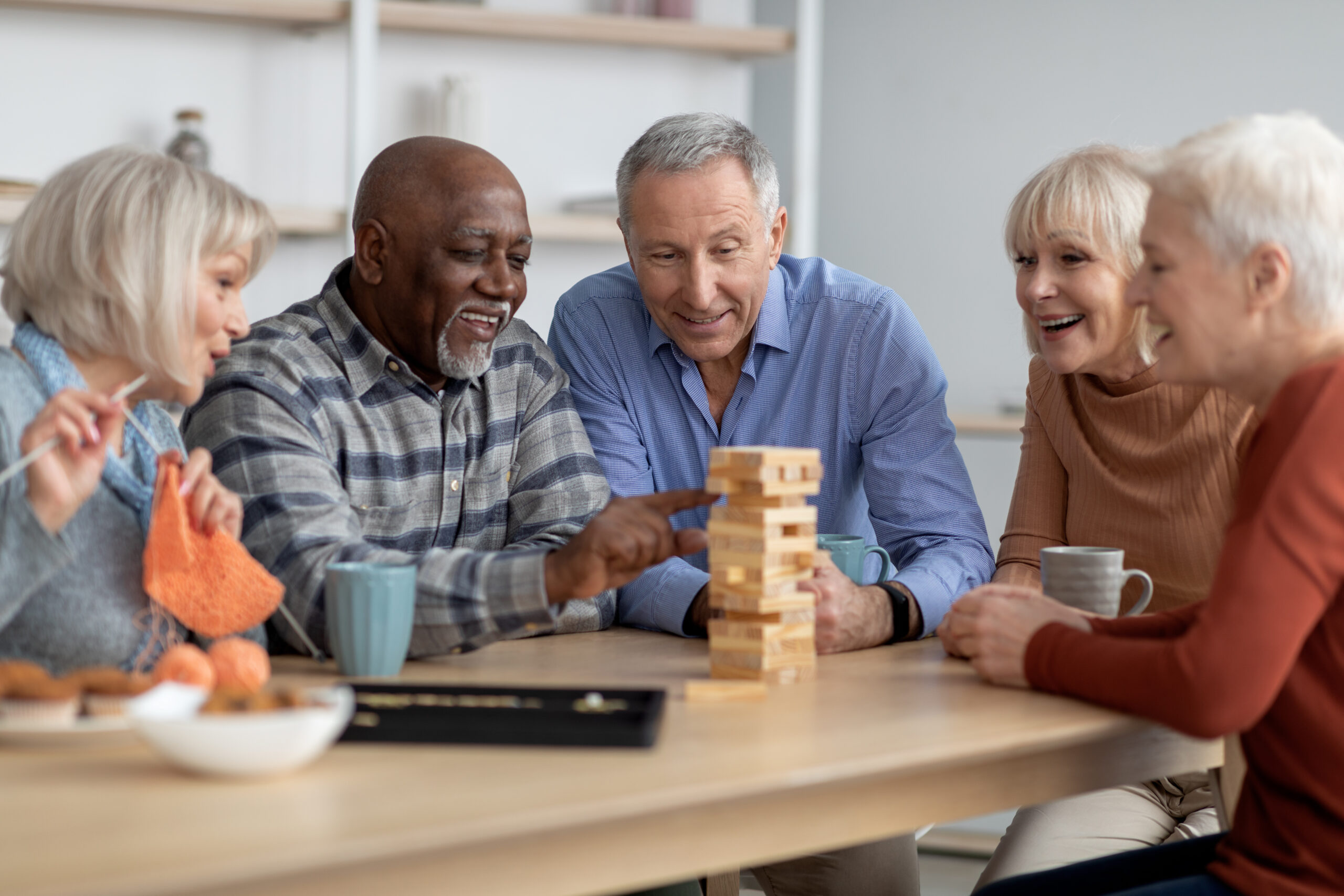
Staying engaged, active, and connected is one of the most powerful actions an older adult can take for long-term well-being. Whether a senior lives independently or receives support at home, the right mix of activities for seniors can meaningfully improve quality of life and overall health. At Home Advantage Home Health Agency, we believe meaningful daily engagement is as important as medical care.
Why Staying Active Is Important for Seniors
Regular physical, mental, or social activity plays a direct role in healthy aging. Research from the National Institute on Aging shows older adults who stay active are less likely to experience cognitive decline, depression, and chronic illness.
Inactivity accelerates muscle loss, increases fall risk, and contributes to social isolation, a leading factor in declining senior health. Building a routine around purposeful engagement gives older adults structure, motivation, and independence.
Physical Activities That Promote Mobility
Movement does not have to be strenuous to be effective. For seniors, low-impact physical activity supports cardiovascular health, improves balance, and reduces fall risk. Our specialized care services complement and support these wellness goals.
Recommended physical activities include:
- Walking — even 20–30 minutes daily improves circulation and mood
- Chair yoga — builds flexibility and core strength without joint strain
- Water aerobics — gentle on joints while providing resistance training
- Resistance band exercises — maintain muscle tone with minimal equipment
- Stretching routines — improve range of motion and reduce stiffness
- Tai chi — enhances balance and coordination through slow, deliberate movement
These activities can be adapted to different fitness levels, making them accessible to nearly every senior despite mobility limitations.
Mental Activities That Stimulate the Mind
Keeping the brain active is just as essential as physical fitness. Cognitive stimulation supports memory retention, problem-solving ability, and emotional regulation. Many families ask what are the best activities for seniors, and in practice, this means consistent mental engagement tailored to personal interests.
Regular mental engagement can delay the onset of dementia-related symptoms and improve overall cognitive resilience.
| Activity | Primary Benefit | Difficulty Level |
| Crossword puzzles | Memory & vocabulary | Low–Medium |
| Chess or strategy games | Logical thinking | Medium–High |
| Reading | Comprehension & focus | Low |
| Learning a new language | Neuroplasticity | Medium–High |
| Memory card games | Short-term recall | Low |
Digital platforms like Lumosity and apps for older adults offer structured brain training in a user-friendly format. Daily conversations involving storytelling, recalling past events, or discussing current news also provide valuable cognitive stimulation.
Social Activities That Reduce Isolation
Loneliness and social isolation are significant health risks for older adults, comparable to smoking 15 cigarettes per day, according to the American Psychological Association. Prioritizing social activities for seniors helps maintain emotional well-being and a sense of belonging.
Group Activities and Community Engagement
Group settings offer consistent interaction and a sense of belonging. Effective options include:
- Senior center programs and classes
- Community gardening groups
- Religious or spiritual gatherings
- Volunteer opportunities within the local community
- Book clubs or discussion circles
Participation in group activities fosters socialization and gives seniors reasons to leave home, maintain routines, and stay connected to their community.
One-on-One and Family Activities
Not every senior thrives in group settings, and that is normal. One-on-one time with family or caregivers can be equally meaningful. Playing a board game, cooking a family recipe, watching a favorite movie, or sharing a meal provides genuine interaction and strengthens emotional bonds.
Video calls with distant family, letter writing, and shared photo album reviews are low-effort activities with high emotional payoff, especially for seniors with limited mobility.

Creative Activities That Encourage Self-Expression
Creativity supports emotional health and provides seniors with a meaningful outlet for self-expression. Many of these also fall into fun activities for seniors, especially when they align with personal interests and bring enjoyment.
Art therapy reduces anxiety and improves mood in older adults with cognitive decline. Music, both listening and playing, activates multiple brain areas and can evoke strong positive memories, even in those with dementia.
If you are unsure how to match a senior’s abilities to the right creative outlet, our home care provider selection guide can help families make thoughtful, personalized choices.
Popular creative activities for seniors:
- Watercolor or acrylic painting
- Knitting, crocheting, or quilting
- Journaling or memoir writing
- Playing piano, guitar, or harmonica
- Photography or digital scrapbooking
- Pottery or clay modeling
Indoor Activities for Limited Mobility
Seniors with limited mobility due to arthritis, post-surgical recovery, or chronic illness do not need to miss meaningful engagement. Many indoor activities require minimal movement while delivering cognitive and emotional benefits.
Options include seated stretching, audiobooks, documentaries, online courses, jigsaw puzzles, and tabletop gardening with container plants. These activities maintain daily participation and give homebound seniors purpose and accomplishment even on low-energy days.
A thoughtfully arranged home environment with accessible supplies, comfortable seating, and good lighting makes it easier for seniors to engage independently throughout the day.
Outdoor Activities for Active Seniors
For mobile and physically capable seniors, the outdoors offers unmatched benefits. Natural light supports circadian rhythm and vitamin D production, while fresh air and changing environments provide sensory stimulation indoor settings cannot replicate.
Suitable outdoor activities include:
- Nature walks or birdwatching
- Gardening and tending to a yard or container garden
- Outdoor tai chi or yoga in a park
- Gentle cycling or e-bike rides
- Attending outdoor community events or farmers’ markets
- Visiting botanical gardens, zoos, or beaches
Safety precautions such as proper footwear, hydration, sun protection, and a companion when needed ensure outdoor wellness activities remain safe and enjoyable for seniors of all fitness levels.
How to Choose the Right Activities for Seniors
Selecting the right activities depends on the senior’s interests, physical abilities, cognitive condition, and social preferences. Many families ask what are some activities for seniors that can realistically fit into daily routines, especially when energy or mobility is limited.
Start by asking the senior about past hobbies, preferred routines, and current interests. This conversation-first approach respects autonomy and increases motivation. Our resource on caregivers outlines how professionals can help assess and support individualized activity plans.
Key factors to consider when choosing activities:
- Physical capacity — Match intensity to current mobility and stamina
- Cognitive level — Choose activities that challenge without frustrating
- Social preference — Some seniors thrive in groups; others prefer one-on-one settings
- Sensory needs — Account for vision or hearing limitations
- Personal history — Build on lifelong interests whenever possible
- Caregiver availability — Some activities require supervision or assistance
Gradually introduce new activities and observe how the senior responds. Balance is key; variety across physical, mental, and social domains produces the most comprehensive health benefits.
FAQ
What are the best activities for seniors to stay mentally sharp?
Puzzles, reading, strategy games, learning new skills, and engaging in meaningful conversations are among the most effective ways to keep the mind active. Consistency matters more than intensity — even 20–30 minutes of mental activity daily produces measurable benefits over time.
What are fun activities for seniors who are homebound?
Homebound seniors can enjoy a wide range of indoor options: painting, journaling, audiobooks, chair exercises, video calls with family, cooking or baking, and online classes. The key is choosing activities that match their current physical and cognitive abilities while providing a sense of accomplishment.
What are social activities for seniors living in care settings?
Community programs, group games, music therapy sessions, arts and crafts groups, and communal dining are all effective social activities in care settings. Many facilities also offer volunteer visitor programs and intergenerational activities with local schools or community organizations.
What are some activities for seniors with limited mobility?
Seated yoga, knitting, reading, painting, puzzles, tabletop gardening, and audiobooks are excellent low-mobility options. Many physical activities can also be adapted for wheelchair users or those with significant movement restrictions without sacrificing their fitness or health value.
How do caregivers help seniors stay active and engaged?
Professional caregivers play a central role in lifestyle support — they help identify appropriate activities, provide encouragement, assist with setup, and participate alongside the senior when needed. This kind of consistent, personalized support makes a measurable difference in how regularly and happily seniors engage in daily activities.